
Homemade Lentil Stew with Spices: A Step-by-Step Guide


Lentil stew, known in many parts of Latin America as lentejas guisadas, is a cornerstone of home cooking. It is a dish that embodies the concept of "comfort food"—warm, filling, and deeply aromatic. For a home cook in the United States, this stew offers a practical way to prepare a nutritious, budget-friendly main course that relies on pantry staples. Whether you are looking for a hearty weeknight dinner or a meal that improves in flavor the next day, a well-spiced lentil stew provides a versatile foundation for many different dining styles.
This guide is designed to take you through the process of creating an authentic-tasting stew using ingredients easily found in any American supermarket. We will focus on building layers of flavor through a traditional aromatic base, often referred to as a sofrito (a finely chopped mixture of aromatics like onions, peppers, and garlic), and using warm spices to elevate the earthy notes of the lentils. By the end of this article, you will understand how to select your lentils, how to manage the cooking process to achieve the perfect texture, and how to customize the dish to suit your preference for spice or richness.
Essential Ingredients and Substitutions
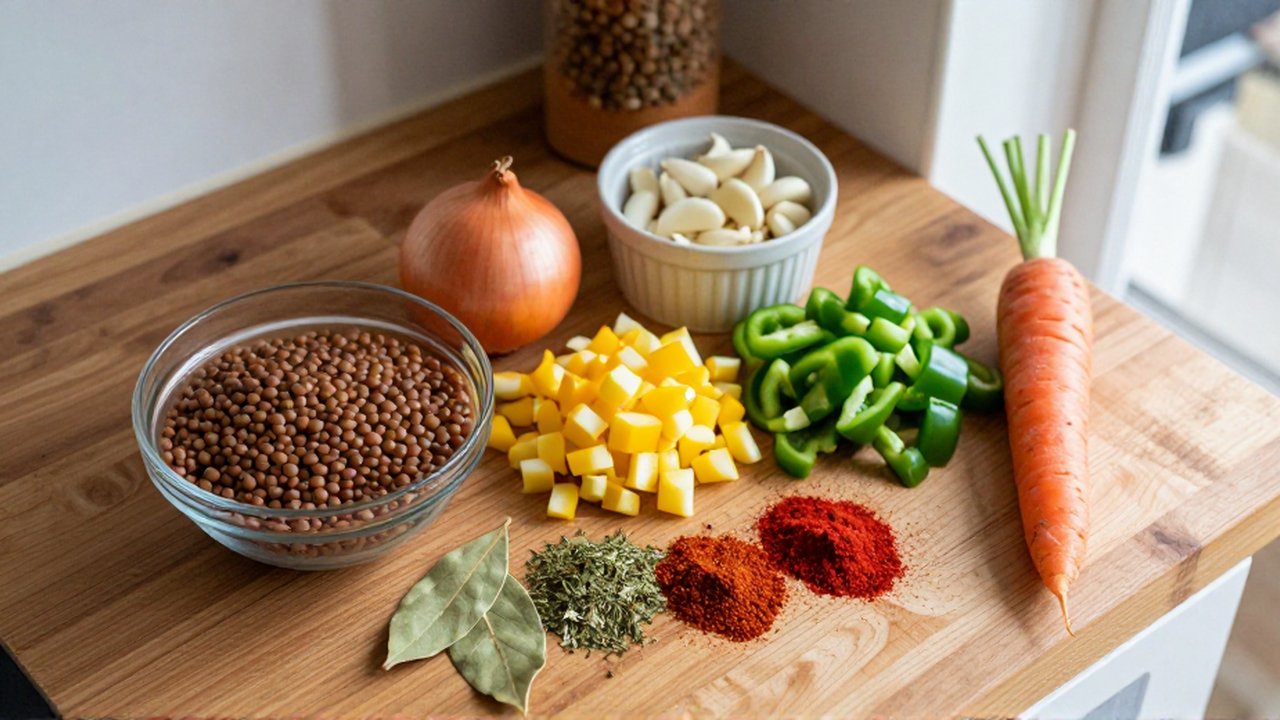
The success of a great lentil stew depends on the quality of the legumes and the depth of the aromatic base. While there are many regional variations across Latin America—some incorporating smoked meats and others remaining strictly vegetarian—the core components remain remarkably consistent.
To begin, you will need 1 pound (454g) of dried brown or green lentils. Avoid red lentils for this specific recipe; red lentils break down much faster and are better suited for creamy soups rather than a structured stew. If you cannot find specific Latin American varieties at your local grocer, standard dried brown lentils from the canned goods or bulk aisle are a perfect substitute.
For the flavor base, you will need:
- 2 tablespoons extra-virgin olive oil
- 1 large yellow onion, finely diced
- 1 bell pepper (green or red), finely diced
- 3 cloves of garlic, minced
- 1 large carrot, diced
- 1 stalk of celery, diced
- 1 teaspoon ground cumin
- 1/2 teaspoon smoked paprika (or pimentón)
- 1/2 teaspoon dried oregano
- 4 cups (32 fl oz) of chicken or vegetable broth
- 1 can (14.5 oz) of diced tomatoes
- 1 teaspoon salt (adjust to taste)
- 1/2 teaspoon black pepper
- 1 bay leaf
If you want to add a traditional smokiness often found in Caribbean or Central American versions, you can add 4 ounces of diced smoked ham or bacon during the initial sautéing phase. If you are looking for a vegetarian option, simply omit the meat and increase the broth by an extra cup to ensure the lentils remain tender. For those who prefer a bit of acidity, a squeeze of fresh lime juice or a teaspoon of red wine vinegar added just before serving can brighten the entire dish.
Step-by-Step Cooking Instructions
Cooking lentils requires patience to ensure they reach a tender state without turning into a mushy paste. This method uses a gradual building of flavors to ensure every bite is seasoned.
-
Prepare the Lentils: Place the dried lentils in a fine-mesh strainer and rinse them thoroughly under cold running water. Inspect the lentils for any small stones or debris that may have been mixed in during processing. Drain well and set aside.
-
Sauté the Aromatics: In a large pot or Dutch oven, heat the olive oil over medium heat. Add the diced onion, bell pepper, carrot, and celery. Cook these vegetables for about 6 to 8 minutes, stirring occasionally, until the onions are translucent and the vegetables have softened.
-
Bloom the Spices: Add the minced garlic, cumin, smoked paprika, and oregano to the pot. Stir constantly for about 1 minute. This process, known as "blooming," allows the heat to release the essential oils in the dried spices, making the final stew much more fragrant.
-
Combine and Simmer: Add the rinsed lentils, the diced tomatoes (with their juices), the chicken or vegetable broth, and the bay leaf to the pot. Stir well to combine. Increase the heat to medium-high and bring the liquid to a gentle boil.
-
Slow Cook: Once boiling, reduce the heat to low and cover the pot with a lid. Let the stew simmer for 30 to 45 minutes. Check the lentils at the 30-minute mark; they should be tender but able to hold their shape. If the stew becomes too thick, add a splash more broth or water.
-
Final Seasoning: Remove the bay leaf. Taste the stew and add salt and pepper as needed. If you are using meat, ensure it is fully cooked through before serving. If you want a slightly thicker consistency, you can use a spoon to mash a small portion of the lentils against the side of the pot and stir them back into the liquid.
Achieving the Perfect Texture and Flavor
One of the most common questions home cooks have regarding lentils is how to prevent them from becoming either too hard or too mushy. The key lies in the timing and the salt. If you add too much salt at the very beginning of the cooking process, it can sometimes toughen the skins of the lentils, preventing them from softening properly. It is often best to season moderately at the start and perform your final salt adjustment at the very end.
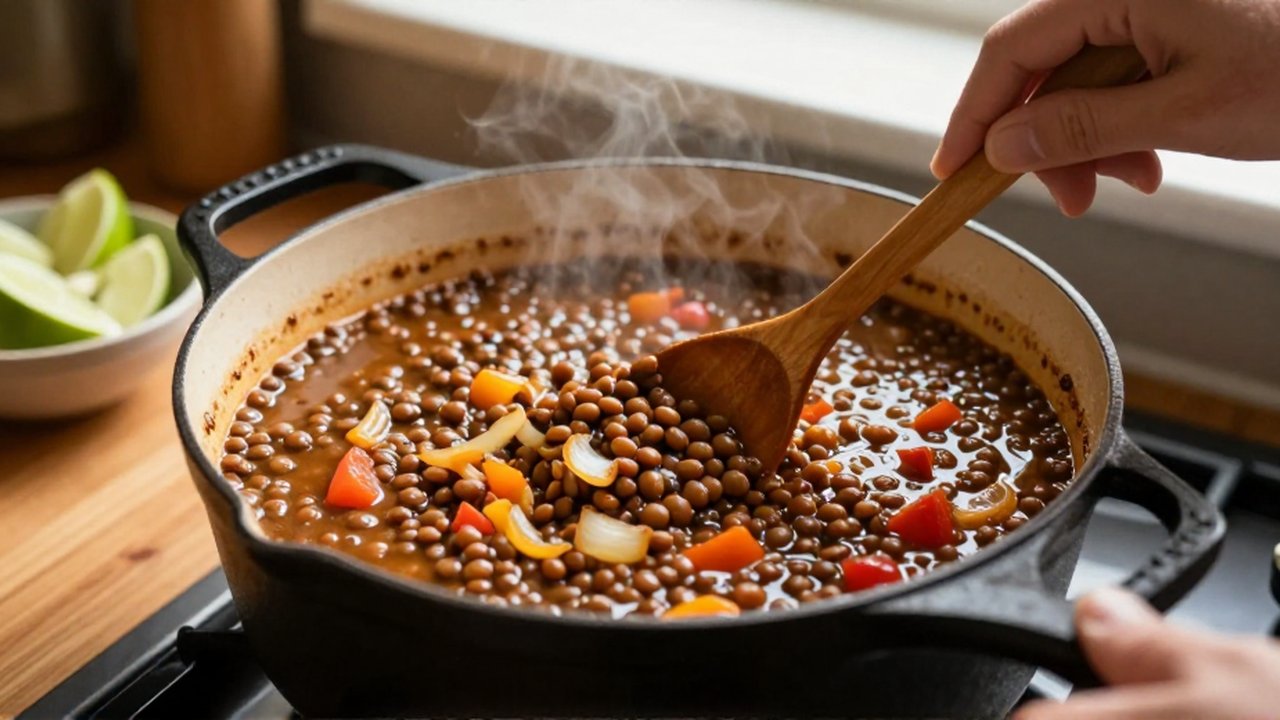
Texture is also influenced by how you handle the liquid. For a thinner, more soup-like consistency, keep a higher ratio of broth to lentils. For a thick, hearty stew that can be served over rice, allow more liquid to evaporate during the simmering stage. Another professional tip is to avoid stirring the lentils too aggressively while they are cooking; frequent stirring can break the lentil skins and lead to a grainy texture.
To deepen the flavor profile, consider the concept of sofrito more deeply. In many Latin American kitchens, the onion and pepper mixture is cooked slowly until it almost becomes a jam. This slow caramelization provides a sweetness that balances the earthy, slightly bitter notes of the lentils. If you find your stew tastes a bit flat, it is usually a sign that it needs either more salt or a touch of acidity (like lime or vinegar) to wake up the spices.
Storage and Serving Suggestions

Lentil stew is one of those rare dishes that truly benefits from being made in advance. When stored, the spices continue to infuse into the lentils, and the flavors meld more thoroughly.
Storage Instructions:
Allow the stew to cool completely at room temperature before transferring it to an airtight container. For short-term use, store it in the refrigerator for up to 4 days. For long-term storage, lentil stew freezes exceptionally well. Place it in freezer-safe bags or containers, and it will stay fresh for up to 3 months. When reheating, do so on the stovetop over medium-low heat, adding a little water or broth if the lentils have absorbed too much liquid during the freezing/thawing process.
Serving Ideas:
To make this a complete meal, consider these traditional pairings:
- Over Rice: Serve the stew in a shallow bowl over a bed of white or brown rice. This is the classic way to enjoy lentejas in many households.
- With Bread: A crusty baguette or toasted corn tortillas are perfect for scooping up the thick sauce.
- With Toppings: Top your bowl with a dollop of sour cream (or crema), a sprinkle of fresh cilantro, or some crumbled salty cheese, like feta or cotija, to add contrasting textures.
- As a Starter: If you prefer a lighter meal, you can add more broth to turn the stew into a lighter soup served with a side salad.
Leave a Reply
Related posts