
Cuban Ropa Vieja Recipe: Slow-Cooked Shredded Beef


Ropa Vieja, which literally translates to "old clothes," is perhaps the most iconic dish in Cuban cuisine. This name is a playful reference to the appearance of the shredded beef, which resembles strips of worn fabric after being slow-cooked in a rich, tomato-based sauce. While many variations exist across the Caribbean, the Cuban version is a cornerstone of home cooking, characterized by a savory, aromatic base known as a sofrito—a sautéed mixture of aromatics that forms the soul of many Latin American dishes.
For the American home cook, Ropa Vieja offers a way to transform relatively inexpensive, tough cuts of beef into a sophisticated, comforting meal that feels deeply intentional. It is a dish that rewards patience; the long, slow simmering process breaks down connective tissues, resulting in meat that melts in the mouth. This guide provides a reliable method for recreating this classic at home using standard US kitchen equipment and ingredients, ensuring that anyone can bring the flavors of Havana to their own dining table. Whether you are preparing it for a Sunday family dinner or looking to meal-prep a flavorful protein for the week, this recipe delivers a result that is both authentic in spirit and practical in execution.
Selecting the Right Beef and Aromatics
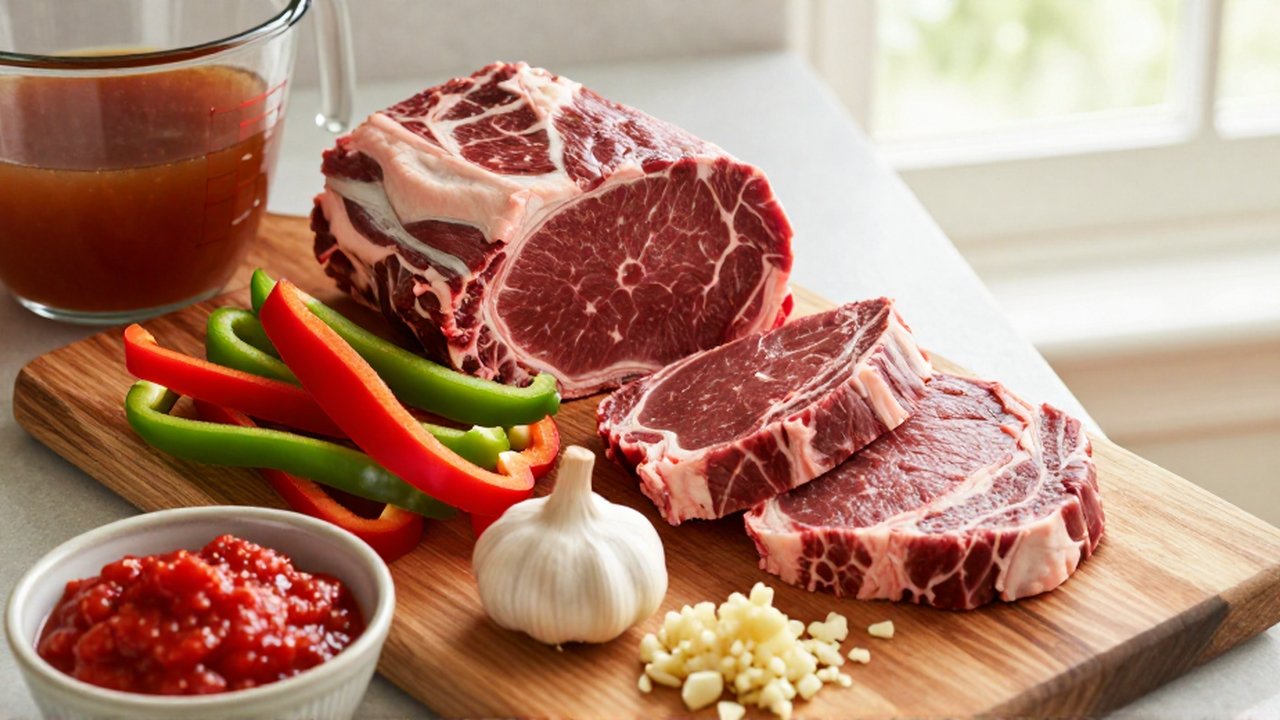
The success of Ropa Vieja depends heavily on the cut of meat you choose. Because the goal is to shred the beef after hours of simmering, you must use a cut that is high in connective tissue and fat. In a US supermarket, the best choices are beef flank steak or beef chuck roast. Flank steak is traditionally preferred for its long, distinct fibers that shred beautifully into the "strips" the dish is named for. However, if you find that flank steak is particularly expensive or unavailable, a well-marbled chuck roast is an excellent substitute; it may be slightly more tender and less "stringy," but it will absorb the sauce exceptionally well.
The flavor profile of the dish is built upon the sofrito. To achieve an authentic taste, you will need onions, bell peppers, and garlic. While many recipes call for green bell peppers, using a mix of red and green can add a subtle sweetness that balances the acidity of the tomatoes. Garlic is non-negotiable; it should be freshly minced to provide the necessary aromatic punch. For the liquid base, a combination of tomato sauce and beef broth is standard. If you cannot find high-quality beef broth in the canned or carton section, you can use water with a bit of extra salt and tomato paste, though a rich broth will always yield a deeper, more complex sauce.
Ingredients for Ropa Vieja
This recipe serves approximately 6 people.
- 2 pounds (900 grams) flank steak or beef chuck roast
- 2 tablespoons vegetable oil or olive oil
- 1 large yellow onion, thinly sliced into half-moons
- 1 large green bell pepper, thinly sliced
- 1 large red bell pepper, thinly sliced
- 4 to 6 cloves of garlic, minced
- 1 can (8 ounces) tomato sauce
- 1 can (14.5 ounces) diced tomatoes, undrained
- 1/2 cup beef broth
- 1 tablespoon tomato paste
- 1 teaspoon dried oregano
- 1 teaspoon ground cumin
- 1/2 teaspoon smoked paprika (or sweet paprika)
- 1/2 teaspoon salt (adjust to taste)
- 1/4 teaspoon black pepper
- 1/2 cup pitted green olives (Spanish olives are preferred, but standard canned green olives work well)
- 2 tablespoons capers, drained (optional, for extra brine)
- 1 bay leaf
- Fresh cilantro or parsley for garnish
Step-by-Step Cooking Instructions
-
Prepare and Sear the Beef: Start by seasoning the beef generously with salt and pepper on both sides. In a large heavy-bottomed pot or a Dutch oven, heat the oil over medium-high heat. Sear the beef in batches to avoid crowding the pan. You want a deep, dark brown crust on both sides of the meat, which adds essential color and flavor to the final sauce. Once seared, remove the meat from the pot and set it aside on a plate.
-
Sauté the Aromatics: Lower the heat to medium. In the same pot, utilizing the rendered fat from the beef, add the sliced onions and bell peppers. Sauté for about 6 to 8 minutes until the vegetables are softened and the onions become translucent. Add the minced garlic and cook for just another minute until fragrant, being careful not to let the garlic burn, as burnt garlic turns bitter.
-
Build the Sauce: Stir in the tomato paste, cumin, oregano, and paprika, cooking for one minute to toast the spices. Pour in the tomato sauce, the undrained diced tomatoes, the beef broth, and the bay leaf. Return the seared beef (and any juices that collected on the plate) back into the pot. The liquid should almost cover the meat.
-
The Slow Simmer: Bring the liquid to a gentle boil, then immediately reduce the heat to low. Cover the pot with a tight-fitting lid. Let the beef simmer very gently for about 2 to 2.5 hours. You will know it is ready when the beef can be easily pierced with a fork and falls apart with minimal pressure. If the sauce becomes too thick before the meat is tender, add a splash more beef broth or water.
-
Shred the Beef: Remove the beef from the pot and place it on a cutting board. Using two forks, carefully shred the meat into long, thin strips following the natural grain of the beef. Discard any large pieces of excess fat or gristle.
-
Final Assembly: Return the shredded beef to the pot with the sauce and vegetables. Add the olives and capers. Stir gently to incorporate the meat into the sauce. Simmer uncovered for another 10 to 15 minutes to allow the flavors to meld and the sauce to thicken to your desired consistency. Taste and add more salt or pepper if needed. Remove the bay leaf before serving.
Serving Suggestions and Variations
Ropa Vieja is almost always served with sides that can absorb the delicious, savory tomato sauce. The most traditional accompaniment is arroz blanco (white rice), which provides a neutral base for the rich beef. Many households also serve it alongside moros y cristianos, a classic Cuban dish consisting of black beans and rice cooked together. To add a textural contrast, a side of fried sweet plantains (maduros) provides a sugary balance to the salty, savory notes of the beef and olives.
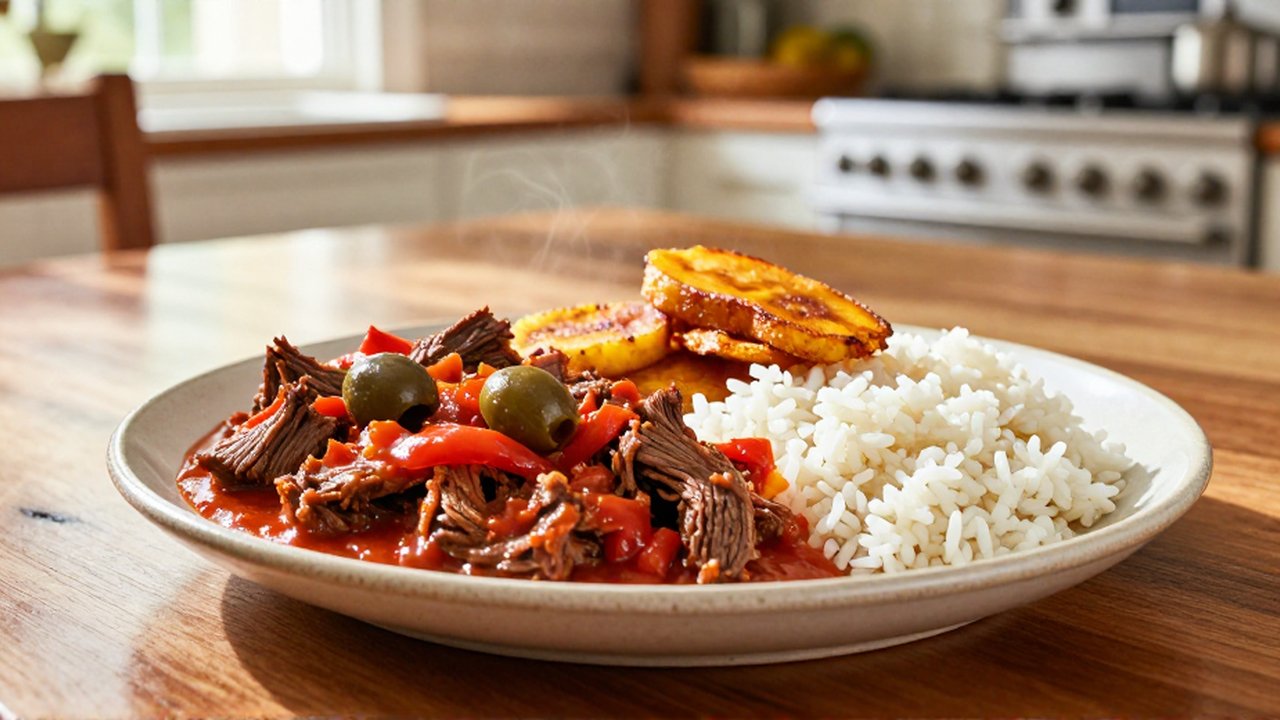
For those looking to vary the dish, you can experiment with the heat level by adding a pinch of crushed red pepper flakes during the simmering process. Some families also include sliced carrots or even small pieces of potato in the braise, which adds a different dimension of sweetness and starch to the meal. If you prefer a lighter version, you can serve the shredded beef over a bed of sautéed vegetables rather than heavy rice.
Storage and Food Safety
Because Ropa Vieja is a braised dish, it actually tastes better the next day as the spices continue to penetrate the meat. To store leftovers, allow the dish to cool to room temperature before transferring it to an airtight container. It can be kept in the refrigerator for up to 3 to 4 days. If you prefer to freeze it, Ropa Vieja freezes exceptionally well; it will stay good in the freezer for up to 3 months. When reheating, it is best to do so on the stovetop over low heat, adding a tablespoon of water or beef broth if the sauce has thickened too much during storage.
Regarding food safety, ensure that the beef reaches an internal temperature of 145°F (63°C) if using a thermometer, though the long simmering process naturally ensures it is well-cooked. Always wash your hands and utensils thoroughly after they have come into contact with raw meat to prevent cross-contamination. When reheating, make sure the beef is heated through until it is steaming hot throughout.
Frequently Asked Questions
Can I make this in a slow cooker?
Yes, you can. After searing the beef and sautéing the vegetables as instructed, place everything into a slow cooker. Set it to low for 6 to 8 hours or high for 3 to 4 hours. Note that you may need to simmer the sauce on the stovetop for a few minutes at the end to reach your preferred thickness, as slow cookers tend to retain more moisture than stovetop pots.

My beef is tough even after two hours. What should I do?
Toughness usually means the collagen hasn't fully broken down yet. This is common with cheaper cuts or if the meat was particularly lean. Simply continue simmering at a low heat for another 30 to 45 minutes. Do not increase the heat to high to "speed it up," as this can cause the muscle fibers to tighten and become even tougher; a gentle, low simmer is the key to tenderness.
What can I use instead of olives?
If you find the briny flavor of olives too strong or if you simply don't have them, you can omit them. However, they contribute a necessary salty acidity that cuts through the richness of the beef. A substitute could be a teaspoon of red wine vinegar or a small amount of extra capers, though the flavor profile will change slightly.
Leave a Reply
Related posts