
Brazilian Arroz Branco: A Step-by-Step Guide to Plain Rice

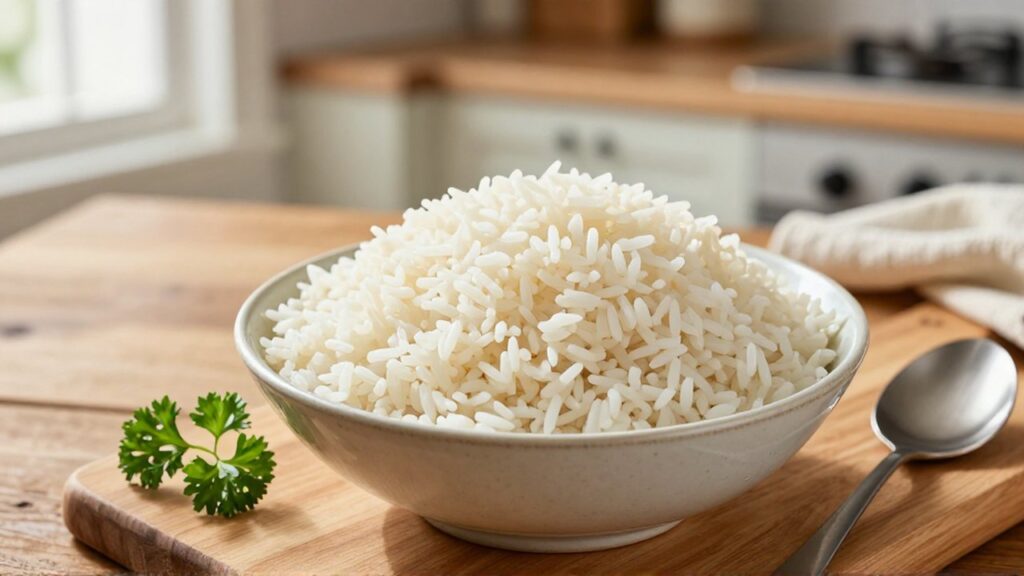
In the landscape of Brazilian cuisine, few things are as fundamental as arroz branco (white rice). While many international cuisines treat rice as a neutral vessel or a simple starch, in a Brazilian household, the quality of the rice is a point of pride. Arroz branco is not merely boiled grains; it is a side dish prepared with a specific technique that ensures each grain remains distinct, fluffy, and slightly toasted, rather than sticky or mushy. It serves as the essential foundation for almost every meal, from a simple weekday lunch with beans to celebratory feasts featuring meats and stews.
For the American home cook, mastering this style of rice is a gateway to authentic Brazilian flavors. Most standard recipes in the United States focus on steaming or boiling rice in a large amount of water, which often results in a clumpier texture. Brazilian arroz branco relies on a crucial preliminary step: sautéing the dry rice in oil and aromatics before adding the liquid. This article will guide you through the precise technique, the necessary ratios, and the small culinary nuances that transform ordinary long-grain white rice into a restaurant-quality Brazilian staple.
The Secret to Fluffy Grains: The Sauté Technique
The defining characteristic of authentic Brazilian white rice is its texture. If you bite into a grain and find it gummy, the technique was likely missed. The goal is to achieve grãos soltinhos, a Portuguese expression meaning "separated grains." This is achieved through the process of sautéing the rice in fat—usually oil or butter—before any water is introduced. This step coats each grain of rice in a thin layer of fat, which creates a physical barrier that prevents the starches from leaching out too quickly and causing the grains to stick together during the simmering process.
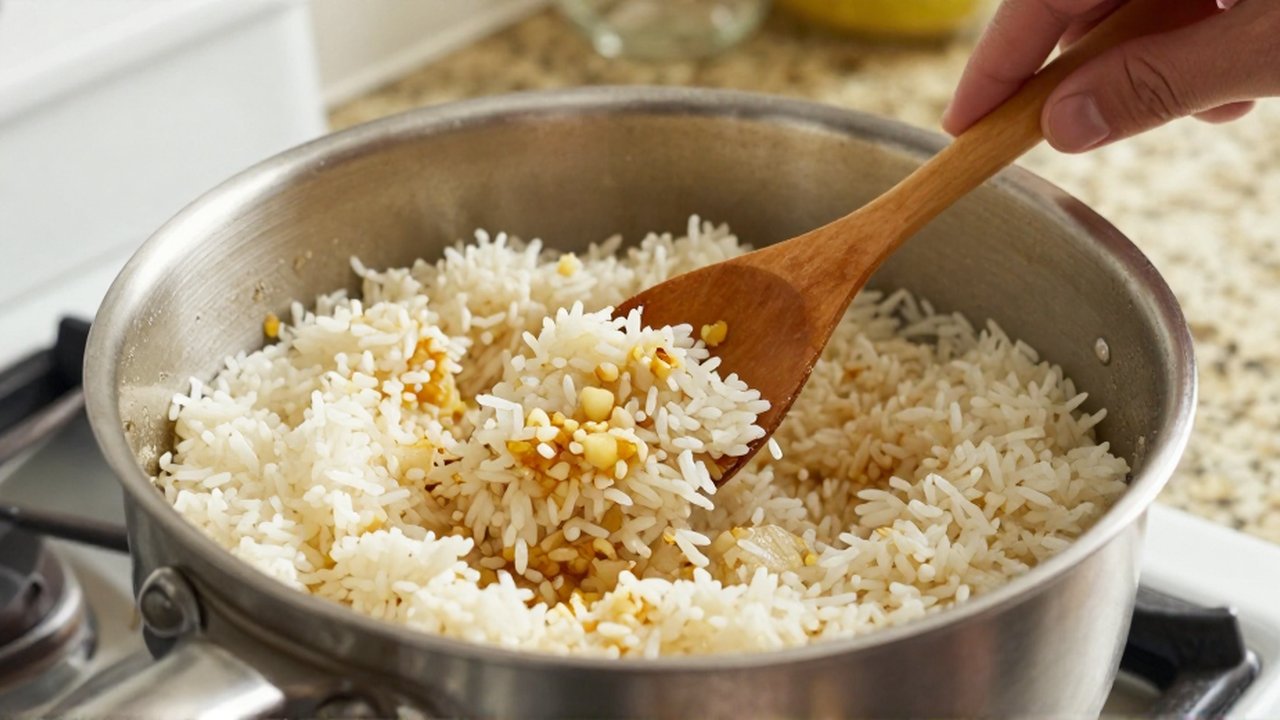
To execute this correctly, you must use a heavy-bottomed pot. As you sauté the rice with garlic and onions, you are not just flavoring the grains; you are "toasting" them slightly. This creates a structural integrity in the grain that allows it to absorb the cooking liquid without collapsing. While many people use jasmine or basmati rice for their daily meals, the most traditional choice in Brazil is a high-quality long-grain white rice. In US supermarkets, standard long-grain white rice works perfectly, but ensure you do not use "instant" or "minute" rice, as these are pre-processed and will not respond to the sautéing technique.
Ingredients and Equipment
To make a standard batch of arroz branco that serves four to six people as a side dish, you will need a few pantry staples. The measurements provided below are scaled for a typical family-sized portion.
Ingredients:
- 2 cups long-grain white rice (do not rinse unless you prefer a very specific texture, but traditionally, Brazilian rice is cooked straight from the bag to maintain the starch barrier)
- 4 cups water (use a 2:1 ratio of water to rice)
- 2 tablespoons vegetable oil or canola oil
- 1 tablespoon unsalted butter (optional, for added richness)
- 3 cloves garlic, finely minced
- 1/2 small yellow onion, finely diced (optional, depending on regional preference)
- 1 teaspoon salt, or more to taste
- Optional: 1 bay leaf for subtle aroma
Equipment:
- A medium saucepan or heavy-bottomed pot with a tight-fitting lid.
- A wooden spoon or silicone spatula for sautéing.
- A measuring cup and measuring spoons.
Step-by-Step Instructions

Follow these steps carefully to ensure your rice achieves the perfect texture. Timing and heat management are the two most important factors in this process.
-
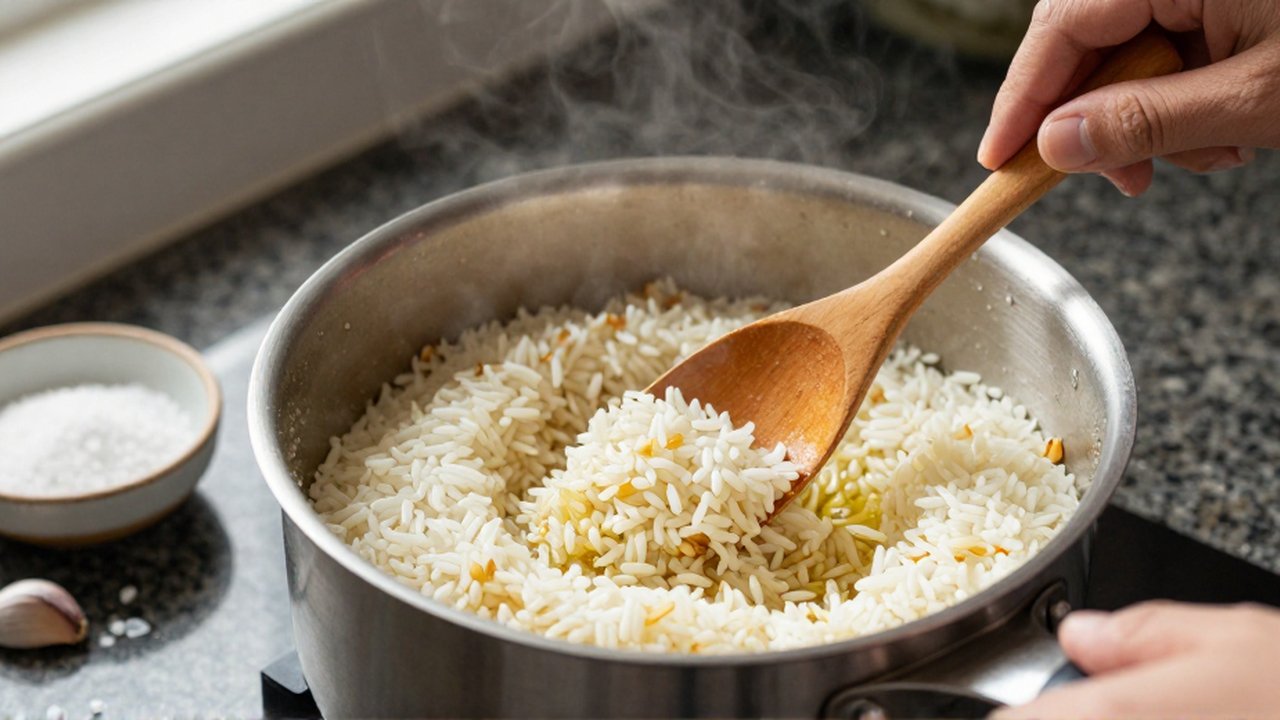
Sauté the Aromatics: Place your pot over medium heat. Add the vegetable oil and the butter (if using). Once the butter has melted and begins to bubble slightly, add the diced onion and sauté for about 2 to 3 minutes until it becomes translucent. Add the minced garlic and sauté for another 30 to 60 seconds. Be careful not to burn the garlic, as burnt garlic will impart a bitter taste to the entire batch of rice.
-
Toast the Rice: Add the dry, uncooked rice to the pot with the aromatics. Stir the rice constantly for about 3 to 5 minutes. You want every grain to be coated in the oil and to appear slightly translucent or yellowish from the fat. You may hear a very slight crackling sound. This step is vital for the grãos soltinhos texture.
-
Add Liquid and Seasoning: Pour in the 4 cups of water. If you are using a bay leaf, add it now. Stir in the salt. Increase the heat to high and bring the water to a rolling boil.
-
The Simmering Phase: Once the water is boiling vigorously, turn the heat down to the lowest possible setting. Cover the pot with a tight-fitting lid. It is crucial that the lid remains closed during this stage to trap the steam. Let the rice simmer undisturbed for about 15 to 18 minutes.
-
The Absorption Check: After 15 minutes, lift the lid carefully and check the liquid level. You can use a fork to gently poke a few holes in the rice to see if the water has been fully absorbed at the bottom of the pot. If the water is gone and the rice is tender, it is ready. If there is still visible liquid, cover and cook for another 2 to 3 minutes.
-
The Resting Period: This is the most overlooked step. Once the water is absorbed, turn off the heat. Leave the lid on and let the pot sit, undisturbed, for at least 5 to 10 minutes. This allows the residual steam to finish cooking the grains evenly and helps the grains settle so they don't break when served.
-
Fluff and Serve: Remove the lid, discard the bay leaf if used, and use a fork to gently fluff the rice. This separates the grains without mashing them. Serve warm.
Variations and Practical Tips
While the method above describes the classic arroz branco, there are several ways to adapt this to your personal taste or available ingredients. If you prefer a more fragrant rice, you can substitute the water with chicken or vegetable broth. This will deeply infuse the grains with flavor, making the rice a more substantial component of the meal. If you find garlic too overpowering, you can omit it entirely, though garlic is a cornerstone of the Brazilian flavor profile.
Another variation is arroz com cenoura (rice with carrot). To achieve this, finely grate one medium carrot and add it to the pot at the same time you add the rice to the oil. The carrot will soften and distribute its color and sweetness throughout the dish. For those who enjoy a bit of texture, some families add small pieces of bell pepper or even toasted slivered almonds at the end for a modern twist.
Regarding food safety, always ensure your water is fresh and your utensils are clean. If you are preparing a large batch in advance, allow the rice to cool slightly before placing it in an airtight container. Store leftovers in the refrigerator for up to 3 to 4 days. When reheating, add a teaspoon of water to the rice and cover it to recreate the steam, which prevents the rice from becoming hard or dry in the microwave.
Frequently Asked Questions
Should I wash my rice before cooking?
In many Asian cuisines, washing rice is mandatory to remove excess starch. However, for Brazilian arroz branco, the starch is actually part of the flavor and the technique. The sautéing step manages the starch so the rice doesn't become a paste. If you choose to wash your rice, make sure it is completely dry before adding it to the oil, or the oil will splatter aggressively.
What if my rice is still crunchy after the water is gone?
If the water has been absorbed but the rice is still hard, add 2 tablespoons of hot water, put the lid back on, and turn the heat to low for another 3 to 5 minutes. Do not add too much water at once, or you risk making the rice mushy.
Can I use brown rice instead?
You can, but you cannot use the same ratio of water or the same cooking time. Brown rice requires significantly more liquid (usually a 2.5:1 ratio) and a much longer simmering time (often 40 to 45 minutes). The sautéing step remains the same, but the fundamental cooking dynamics change.
Leave a Reply
Related posts