
Venezuelan Caraotas Negras: Black Beans with Cumin Recipe


In the landscape of Latin American cuisine, few dishes carry as much soul and comfort as caraotas negras, which translates literally to "black beans." In Venezuela, these beans are more than just a side dish; they are a cornerstone of the national diet, often served as a central component of a complete meal alongside white rice, shredded beef, and fried plantains. Unlike many Caribbean or Central American bean preparations that rely heavily on heavy stews or thick pastes, Venezuelan caraotas negras are characterized by a specific aromatic profile, dominated by the warm, earthy scent of cumin and the sweetness of sautéed alliums.
For the home cook in the United States, mastering this recipe provides a gateway to authentic Venezuelan flavors using pantry staples found in any local supermarket. This recipe focuses on creating a dish that is savory, slightly sweet, and deeply aromatic. While many people associate black beans with Mexican cuisine, the flavor profile here is distinct. It moves away from the smoky heat of chipotle or cumin-heavy taco seasonings and instead leans into a refined, savory depth achieved through a slow simmer and a traditional sofrito (a fragrant base of sautéed vegetables). This guide will walk you through the process of transforming dried beans into a silky, flavorful side dish that elevates any weeknight dinner.
Essential Ingredients and Preparations
To achieve the authentic texture and flavor of Venezuelan caraotas negras, the quality and preparation of your ingredients are paramount. The most important component is the dried black beans themselves. In US supermarkets, you can find these in the international aisle or the dry goods section. It is highly recommended to use dried beans rather than canned for this specific recipe; dried beans allow you to control the salt levels and, more importantly, produce a natural "bean liquor" or starch-rich liquid that creates a luscious, silky consistency without needing extra thickeners.
The aromatics define the dish. You will need onions, sweet bell peppers, and garlic. In Venezuela, a touch of sweetness is often integrated into the beans, which can be achieved through the natural sugars in the vegetables or, in some households, a very small amount of sugar or even a piece of dark chocolate added during the simmering process. Cumin is the non-negotiable spice here. It should be toasted or freshly ground if possible to maximize its earthy aroma.
Ingredients List
- 1 pound (454g) dried black beans, sorted and rinsed
- 6 cups water (plus more if needed during simmering)
- 1 medium yellow onion, finely diced
- 1 green bell pepper, finely diced (green is traditional for a slightly bitter, savory note)
- 4 cloves garlic, minced
- 1 tablespoon extra-virgin olive oil or vegetable oil
- 1 teaspoon ground cumin
- 1/2 teaspoon dried oregano
- 1 teaspoon salt (adjust to taste)
- 1/4 teaspoon black pepper
- Optional: 1/2 teaspoon sugar (to balance acidity)
- Optional: 1/2 cup of diced sweet plantain (for a traditional sweet-and-savory variation)
Before cooking, it is a best practice to soak the dried beans. Place the beans in a large bowl and cover them with at least two inches of water. Let them soak for at least 6 to 8 hours, or overnight. This process softens the skins, ensures more even cooking, and can help reduce some of the complex sugars that cause bloating. After soaking, drain and rinse the beans thoroughly before starting the cooking process.
Step-by-Step Cooking Instructions
The cooking process is divided into two main stages: the initial softening of the beans and the creation of the sofrito to infuse the beans with flavor. Following these steps ensures that the beans are tender throughout and that the spices are fully integrated into the liquid.
-
Simmer the Beans: Place the soaked and drained beans in a large heavy-bottomed pot or a Dutch oven. Add 6 cups of fresh water. Bring the water to a boil over high heat, then immediately reduce the heat to low. Cover the pot partially with a lid to allow some evaporation while retaining moisture. Simmer the beans gently until they are tender but not falling apart. This typically takes between 60 and 90 minutes, depending on the age of the beans. Check periodically to ensure the beans remain submerged; if the water level drops too low, add more hot water to prevent burning.
-
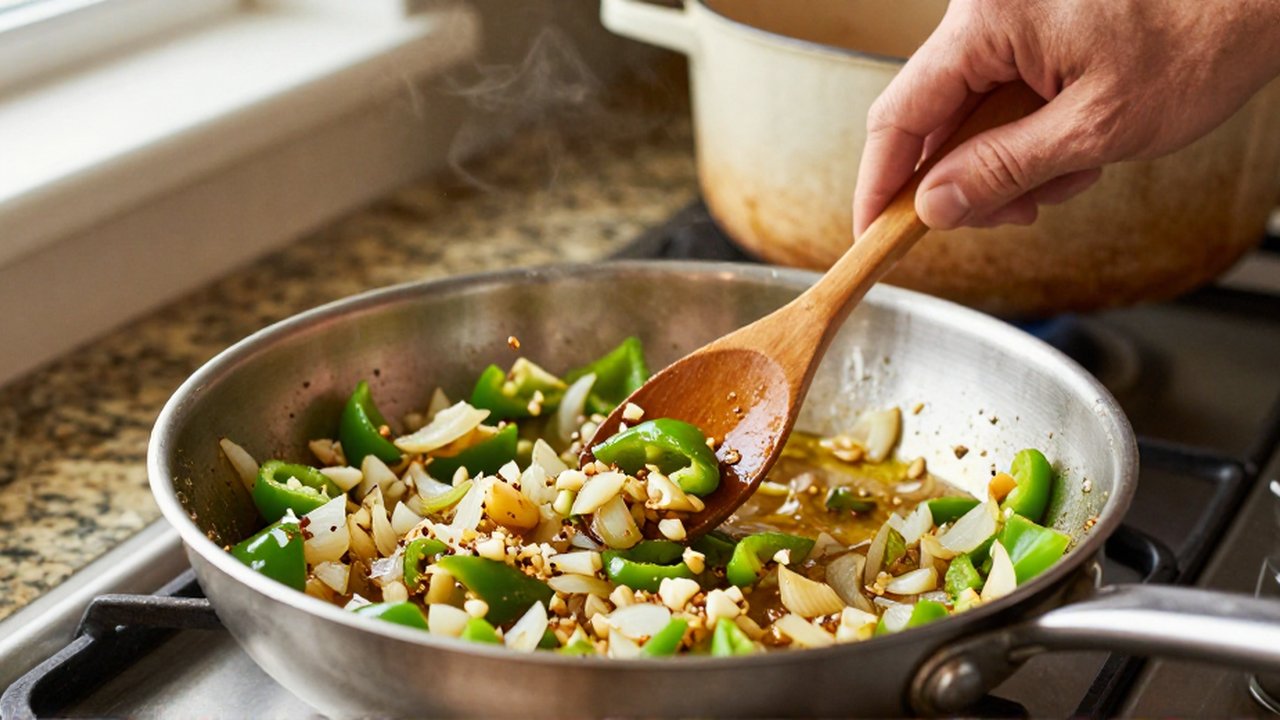
Prepare the Sofrito: While the beans are simmering, prepare your flavor base. In a medium skillet, heat the oil over medium heat. Add the diced onion and green bell pepper. Sauté for about 5 to 7 minutes until the vegetables are soft and translucent. Add the minced garlic, ground cumin, and oregano. Cook for another 1 to 2 minutes until the garlic is fragrant, being careful not to burn it, as burnt garlic will impart a bitter taste to the entire dish.
-
Combine and Infuse: Once the beans are tender, ladle about 1 cup of the hot bean liquid from the pot into the skillet with the sofrito. Let this mixture bubble for a minute to create a thick, concentrated sauce. Pour the entire contents of the skillet back into the main pot with the beans.
-
The Final Simmer: Season the beans with salt and black pepper. If you prefer a hint of sweetness, add your optional sugar at this stage. Let the beans simmer together, uncovered or partially covered, for another 15 to 20 minutes. This allows the flavors to marry and the liquid to reduce into a slightly thickened, velvety consistency. Taste the beans before serving and adjust seasoning as necessary.
For food safety, ensure that the beans reach a simmer and stay there for a sufficient amount of time to eliminate any potential bacteria. When storing leftovers, allow the beans to cool slightly before placing them in an airtight container. Refrigerate within two hours of cooking. These beans keep well in the refrigerator for up to 4 to 5 days and actually tend to taste even better the next day as the spices continue to penetrate the beans.
Common Variations and Tips for Success
While the recipe provided is the classic foundation, Venezuelan cooking is deeply influenced by regional preferences and family traditions. One of the most common variations involves the addition of proteins. Some families prefer to cook their caraotas negras with pieces of salted pork or bacon to add a smoky, fatty depth to the liquid. If you choose to do this, sauté the meat first, remove it, cook the beans, and then add the meat back in during the final simmering stage.
Another popular variation is the inclusion of sweet elements. In many households, small cubes of very ripe plantain (plantain that is mostly black on the skin) are added toward the end of the cooking process. This creates a marvelous contrast between the savory cumin and the natural caramelization of the fruit. If you find your beans are too thin, do not reach for cornstarch. Instead, take one cup of the cooked beans, mash them into a paste with a fork, and stir them back into the pot. This is the traditional way to thicken the sauce while maintaining a natural, homemade texture.
If you are short on time, you can use canned black beans, but the method changes slightly. Since canned beans are already cooked, you should skip the initial long simmer. Instead, sauté your sofrito thoroughly, add the canned beans (with their liquid) to the skillet, add a little extra water or broth if needed, and simmer only long enough for the flavors to combine and the sauce to thicken. This takes about 10 to 15 minutes rather than an hour, making it an excellent option for a quick weeknight meal.
Frequently Asked Questions

Can I use different types of beans?
While black beans are the standard for this specific recipe, you can use red kidney beans if black beans are unavailable. However, the flavor profile will shift significantly, and the color will change. Red beans are heartier, so you may need to increase the simmering time slightly.
Why are my beans still hard after an hour of cooking?
This is often due to one of two things: the beans are old, or your water is too "hard" (high in minerals). Older dried beans lose moisture more quickly and can become difficult to soften. If this happens, continue simmering on low heat. Do not increase the heat to a rolling boil, as this can cause the skins to burst while the insides remain tough.
How do I prevent the beans from burning at the bottom of the pot?
The most common cause of burning is reducing the liquid too much while the heat is too high. Always cook beans on a gentle simmer. If you are using a heavy pot like a Dutch oven, the heat distribution is more even, which helps prevent hot spots. If you notice the liquid getting low, add hot water immediately.
Leave a Reply
Related posts