
Creamy Colombian Avocado Salad with Lime and Onion


In the vibrant landscape of Latin American side dishes, few things are as refreshing or as essential as a well-made avocado salad. Specifically, the creamy Colombian style—often referred to as an ensalada de aguacate (avocado salad)—offers a unique texture and flavor profile that balances rich, buttery fruit with the sharp bite of red onion and the bright acidity of lime. While many American salads focus on crunchy greens, this Colombian variation leans into the velvety consistency of ripe avocados, treating them as the star of the show rather than a mere topping.
For the American home cook, this dish is a versatile powerhouse. It can serve as a cooling accompaniment to spicy grilled meats, a creamy addition to a festive weekend brunch, or a simple, elegant side for a midweek dinner. Because it uses ingredients that are staples in almost every US supermarket, it is an easy way to introduce authentic Colombian flavors into your repertoire without a complicated shopping trip. This guide will walk you through the traditional preparation, the importance of ingredient selection, and how to achieve that signature creamy balance that defines this beloved side dish.
Selecting the Perfect Ingredients
The success of a creamy Colombian avocado salad depends almost entirely on the quality and ripeness of your produce. In the United States, you will likely find avocados in various forms, but for this specific preparation, the Hass variety is the gold standard. Its high oil content and thick skin make it easy to handle, and once ripe, it provides the characteristic "creamy" mouthfeel required for the dish. When shopping, look for avocados that yield slightly to gentle pressure; if they are hard, they won't mash or slice with the necessary smoothness, and if they are overly soft, they may turn into a puree rather than maintaining some structural integrity.
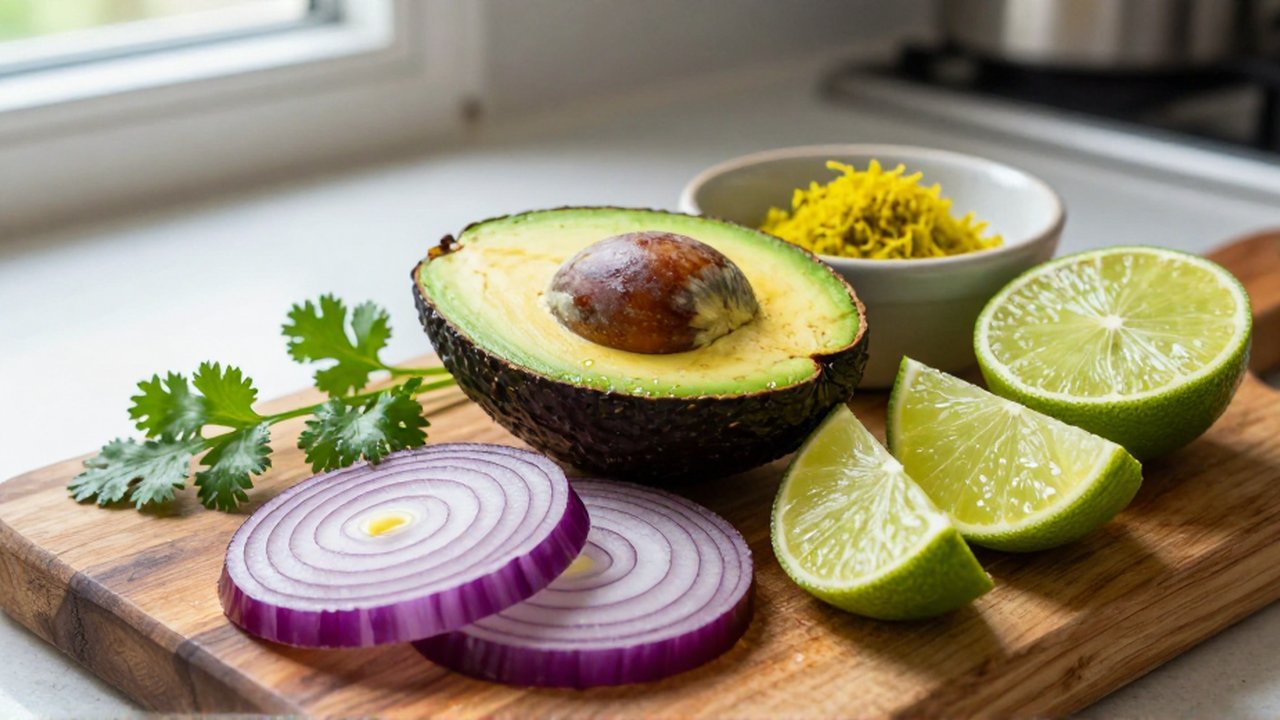
Red onion, or cebolla morada, is the second most critical component. Its mild sweetness and vibrant color provide a necessary contrast to the richness of the avocado. To ensure the onion doesn't overpower the delicate fruit, many cooks prefer to soak the sliced onions in cold water or a light lime bath before mixing them into the salad. This process, known as "mellowing," removes the harsh sulfurous sting while retaining the crunch. For the dressing, fresh lime juice is non-negotiable. While bottled lime juice is available, the essential oils found in the zest and the bright acidity of freshly squeezed juice are what prevent the avocado from oxidizing (turning brown) and provide the necessary lift to the dish.
Ingredients for Creamy Colombian Avocado Salad
This recipe yields approximately 3 to 4 servings as a side dish.
- 3 large ripe Hass avocados (about 1.5 to 2 lbs / 680 to 900 g)
- 1/2 cup red onion, very thinly sliced into half-moons
- 2 tablespoons fresh lime juice (approximately 1 to 2 limes)
- 1 teaspoon lime zest, finely grated
- 1/4 cup Greek yogurt or sour cream (this provides the "creamy" texture characteristic of many modern Colombian home versions)
- 1/2 teaspoon kosher salt, or more to taste
- 1/4 teaspoon freshly cracked black pepper
- 1 tablespoon extra virgin olive oil
- 1 tablespoon fresh cilantro, finely chopped (optional, for garnish)
Step-by-Step Preparation
Preparing this salad requires a gentle hand to ensure you don't lose the beautiful texture of the avocado. Follow these steps to achieve a consistent, delicious result.

- Mellow the Onions: Place the thinly sliced red onions in a small bowl of cold water for about 10 minutes. This softens their bite. After 10 minutes, drain the onions thoroughly and pat them dry with a paper towel.
- Prepare the Avocado: Cut the avocados in half lengthwise, remove the pits, and carefully scoop the flesh into a large mixing bowl. For a more traditional texture, you can keep some chunks whole, but for the "creamy" version requested, you will want to lightly mash some of the fruit.
- Create the Creamy Base: In a small separate bowl, whisk together the Greek yogurt (or sour cream), lime juice, lime zest, olive oil, salt, and pepper. Mixing the dressing separately ensures that the seasoning is evenly distributed before it hits the fruit.
- Combine: Pour the dressing over the avocado chunks. Using a large spoon or a potato masher, gently fold the mixture. You are looking for a consistency where the avocado is mostly broken down into a thick, spreadable texture, but still retains some recognizable pieces.
- Incorporate Onions: Gently fold in the drained red onions and the chopped cilantro. Be careful not to over-mix at this stage, as you want the onions to remain distinct from the creamy avocado base.
- Final Seasoning and Serving: Taste the salad and add an extra squeeze of lime or a pinch of salt if needed. Serve immediately at room temperature or slightly chilled.
Tips for Success and Variations
One of the most common challenges with avocado-based dishes is oxidation, which causes the green flesh to turn a dull brown when exposed to air. To prevent this, ensure that the avocado is thoroughly coated in lime juice. The acidity acts as a natural preservative. If you are making this ahead of time for a gathering, press a piece of plastic wrap directly onto the surface of the salad so that no air can reach the mixture.
Variations are common in Colombian households depending on what is available in the pantry. For a more rustic, traditional version, some families omit the yogurt or sour cream entirely, relying solely on the natural fats of the avocado and a heavy hand with lime and olive oil. This results in a dish that is more of a "chunky salad" than a "creamy salad." If you prefer more texture, you can add diced cucumber or even small cubes of tomato, which adds a refreshing moisture and a bright acidity that works well with the lime.
If you cannot find red onions, white onion is a functional substitute, though it is slightly sharper and lacks the same aesthetic appeal. If the recipe calls for Greek yogurt and you prefer something lighter, you can substitute it with a high-quality mayonnaise, which will lend an even richer, silkier texture while maintaining the traditional flavor profile found in many Latin American "creamy" salads.
Frequently Asked Questions

Can I make this salad a few hours in advance?
While it is best served fresh, you can prepare it up to two hours in advance if you follow the "plastic wrap" method mentioned above. Ensure the avocado is well-coated in lime juice. However, because the texture of the avocado changes as it sits in the acidic dressing, the "creamy" effect may become more like a dip over time.
How do I tell if an avocado is too ripe for this recipe?
An avocado is perfect when it gives slightly to gentle pressure but doesn't feel "mushy" or hollow. If you press an avocado and your finger sinks in significantly or if you see dark bruising through the skin, it may be too far gone for a salad, as the flavor can become slightly fermented or bitter.
Is there a way to make this vegan?
Yes, quite easily. Simply replace the Greek yogurt or sour cream with a plant-based creamy substitute, such as a cashew-based yogurt or even a small amount of mashed ripe avocado mixed with a splash of water to thin it out. The olive oil and lime juice will continue to provide the necessary brightness and fat.
Leave a Reply
Related posts