
Guide to Making Traditional Guatemalan Red Bean Stew


Traditional Guatemalan red bean stew, often referred to as frijoles colorados (red beans), is a cornerstone of Central American cuisine. In Guatemala, beans are not merely a side dish; they are a fundamental component of almost every meal, ranging from breakfast to late-night snacks. This stew is characterized by its creamy texture, savory depth, and a subtle aroma derived from specialized seasonings. While many cultures prepare beans, the Guatemalan method focuses on achieving a specific "melt-in-your-mouth" consistency through slow simmering and a careful base of aromatics.
For the home cook in the United States, mastering this dish offers a way to bring authentic Latin American warmth to the dinner table using ingredients readily available in any local supermarket. This guide will walk you through the process of creating a traditional red bean stew from dried beans, ensuring the texture and flavor profile remain true to the original. Whether you are serving them alongside grilled meats, corn tortillas, or as part of a breakfast spread, this recipe provides a reliable foundation for a versatile and comforting side dish.
Essential Ingredients and Substitutions
To achieve the authentic flavor of Guatemalan frijoles colorados, the selection of ingredients is vital. Most importantly, you must start with dried red beans. In the United States, you will likely find several varieties of red beans; look for "small red beans" or "dried kidney beans." While large kidney beans are a common substitute, the smaller varieties tend to hold their shape better while still contributing to a creamy broth.
The flavor profile is built on a foundation of fresh aromatics and traditional seasonings. Onions, garlic, and bell peppers are standard, but the addition of achiote (annatto) or a small amount of tomato paste can help replicate the characteristic reddish hue and earthy undertone often found in Central American preparations. If you cannot find specific dried Guatemalan beans, standard dried kidney beans are an excellent and widely available alternative.
Ingredients List
- 1 pound (454g) dried red beans (small red beans or kidney beans)
- 8 cups (1.9 liters) water (plus more if needed during simmering)
- 1 medium white onion, halved
- 4 cloves garlic, peeled and smashed
- 1 large ripe tomato, halved
- 1 small bell pepper (green or red), halved
- 1 tablespoon vegetable oil or lard
- 1 teaspoon salt (adjust to taste)
- 1/2 teaspoon dried oregano
- 1/4 teaspoon ground cumin (optional, depending on regional preference)
- Fresh cilantro for garnish (optional)
Note: Always ensure your dried beans are rinsed thoroughly under cold water before beginning the cooking process to remove any dust or debris.
Step-by-Step Cooking Instructions

The secret to a perfect bean stew lies in the patience of the simmer. There are two primary ways to approach this: using a traditional pot on the stovetop or using a pressure cooker. This guide focuses on the stovetop method, as it allows for the most control over the bean texture and the reduction of the cooking liquid.
- Initial Soak: Place the rinsed beans in a large pot and cover them with at least 3 inches of water. While you can cook beans without soaking, an overnight soak (8 to 12 hours) helps the beans cook more evenly and can make them easier to digest. If you are short on time, you can perform a "quick soak" by bringing the beans to a boil for two minutes, then removing them from the heat and letting them sit covered for one hour.
- The First Boil: Drain the soaking water and add fresh water to the pot. Add the onion, garlic, and bell pepper to the water. Bring the pot to a boil over high heat. Once boiling, reduce the heat to low, cover the pot partially, and let the beans simmer. This stage can take anywhere from 1.5 to 2.5 hours depending on the age of the beans and the heat of your stove.
- Adding Aromatics: Once the beans have reached a tender state but are not yet mushy, remove the large pieces of onion, bell pepper, and the garlic cloves. Add the halved tomato and the salt to the pot. If you are using tomato paste to deepen the color, add it now.
- Creating the Texture: To achieve the creamy consistency characteristic of Guatemalan stew, take a ladleful of the cooked beans and some of the liquid, and blend them together (using a blender or immersion blender) or simply mash them thoroughly with a fork against the side of the pot. Return this mixture to the pot and stir. This emulsifies the starches into the liquid, creating a rich, velvety sauce.
- Final Simmer: Allow the stew to simmer uncovered for another 10 to 15 minutes. This allows the flavors to meld and the liquid to thicken to your desired consistency. Taste and adjust the salt as needed.
Achieving the Perfect Texture and Flavor
A common mistake when making bean stews is adding salt too early. While it is tempting to season the water immediately, adding salt at the very beginning of a long simmer can sometimes result in tougher bean skins. It is best to add your salt once the beans are already tender. This ensures the interior of the bean is soft while the salt seasons the liquid and the exterior effectively.
Another aspect of flavor is the balance between the starch and the liquid. If you find your stew is too watery, continue simmering with the lid off to allow evaporation. If it becomes too thick, almost like a paste, simply add a small amount of warm water or vegetable broth to loosen it. In many Guatemalan homes, the "creaminess" is the most prized attribute; if your beans are still quite firm, do not be afraid to add more liquid and continue the cooking process.
For a more savory, traditional experience, some cooks prefer to use lard instead of vegetable oil when sautéing the aromatics. Lard provides a distinct richness that oil cannot replicate. However, vegetable oil is a perfectly functional substitute for those following different dietary preferences.
Storage and Food Safety
Because bean stews are high in moisture and protein, they must be handled with care to prevent spoilage. Once you have finished cooking, allow the stew to cool slightly before transferring it to airtight containers. Do not leave the beans sitting at room temperature for extended periods; once the steam has subsided, move them to the refrigerator.
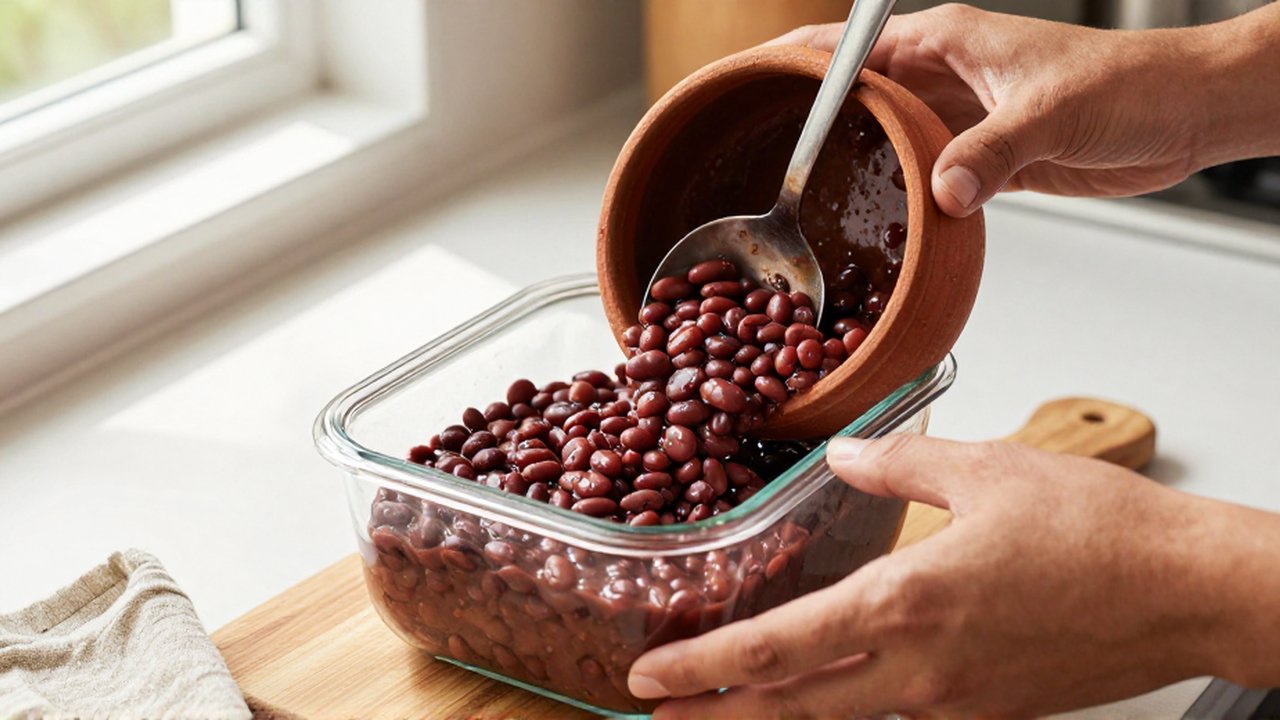
Properly refrigerated, red bean stew will stay fresh for about 4 to 5 days. In fact, many find that the flavor improves on the second or third day as the seasonings penetrate deeper into the beans. If you wish to freeze the stew, it can be kept in an airtight, freezer-safe container for up to 3 months. When reheating, it is helpful to add a splash of water, as the beans will continue to absorb liquid even while sitting in the refrigerator.
When reheating, ensure the stew reaches a steaming hot temperature throughout. If you are serving the stew to a large group, it is safer to reheat smaller portions in a saucepan rather than reheating the entire batch multiple times.
Frequently Asked Questions
Can I use canned beans instead of dried beans?
Yes, you can use canned beans for a much faster meal, but the texture will differ. Canned beans are already soft and have a different starch profile. To use them, skip the long simmering process and instead sauté your aromatics (onions, garlic, tomato) in a pan, then add the drained canned beans and a bit of broth or water. Simmer for only 10 to 15 minutes to allow the flavors to merge. Note that the resulting stew will be thinner and less creamy than the dried bean version.
Why are my beans still hard after two hours of cooking?
There are two main reasons for this. First, the beans might be old; dried beans lose moisture over time, and very old beans can become "hard to the tooth" and refuse to soften. Second, the water might be too alkaline or you may have added salt too early. If your beans aren't softening, adding a tiny pinch of baking soda (no more than 1/8 teaspoon) can help break down the pectin in the skins, but use this sparingly as it can affect the flavor.
What should I serve with this bean stew?
In a traditional Guatemalan setting, these beans are often served with tortillas (corn tortillas), arroz blanco (white rice), or even topped with crumbled cheese and sliced avocado. They are also excellent as a base for a breakfast of eggs and plantains. For a complete meal, consider serving them alongside a protein like grilled chicken or carne asada.
Leave a Reply
Related posts