
Step-by-Step Guide to Making Brazilian Bolo de Fubá


Bolo de fubá is a classic Brazilian cornmeal cake that captures the essence of comforting, rustic home baking. In Brazil, this cake is a staple of the café da tarde—the traditional afternoon coffee break—where it is served alongside a fresh cup of coffee or a glass of milk. Unlike some heavy, overly sweet Western sponges, a true bolo de fubá is characterized by its moist texture, a subtle hint of sweetness, and a unique graininess that comes from the cornmeal. It is a dish that bridges the gap between a breakfast item and a dessert, making it incredibly versatile for the American home cook.
For those living in the United States, making this cake is a rewarding way to explore Brazilian flavors using pantry staples that are readily available in almost any local supermarket. You do not need to seek out specialty importers to achieve an authentic result; the combination of cornmeal, flour, eggs, and sugar is universal. This guide will walk you through the process of making a traditional, moist bolo de fubá from scratch, providing the necessary measurements in US customary units and offering tips to ensure the texture is perfect every time. Whether you are looking to introduce your family to Latin American flavors or simply want a reliable, delicious cake for your weekend brunch, this guide provides everything you need to succeed.
Understanding the Ingredients and Texture
The soul of bolo de fubá lies in its primary ingredient: fubá. In Brazil, fubá refers to a very finely ground cornmeal, which is much smoother than the coarse, gritty cornmeal often found in the baking aisle of US grocery stores. To achieve the correct texture in an American kitchen, it is best to look for "fine cornmeal" or "cornmeal flour." If you can only find standard yellow cornmeal, which is quite coarse, you may find the cake has a much crunchier, more rustic bite. While delicious, it will not have the delicate, melt-in-your-mouth quality of the traditional version.
Beyond the cornmeal, the fat content and the liquid used play a crucial role in the cake's crumb. Many traditional recipes use oil rather than butter to ensure a moist texture that stays soft even when refrigerated. Sugar provides the necessary sweetness, but it should not overpower the corn flavor. Most recipes also incorporate a bit of wheat flour to provide enough structure so that the cake doesn't crumble too easily upon slicing. You might also encounter variations that include coconut or fennel seeds (erva-doce), which add aromatic layers to the flavor profile. For this foundational recipe, we will focus on the classic version to ensure you master the base technique first.
Recipe for Traditional Bolo de Fubá
This recipe yields one standard 9-inch round cake or a loaf cake. It is designed to be straightforward, using a blender or a simple whisking method to combine the ingredients.

Ingredients:
- 1 ½ cups (approx. 7 oz) fine cornmeal (fubá)
- 1 ½ cups (approx. 7 oz) all-purpose flour
- 1 cup (7 oz) granulated white sugar
- 3 large eggs
- 1 cup (8 fl oz) whole milk
- ½ cup (4 fl oz) vegetable oil (such as canola or sunflower oil)
- 2 tablespoons baking powder
- ½ teaspoon salt
- Optional: 1 tablespoon fennel seeds (erva-doce) for aroma
Instructions:
- Preheat and Prepare: Preheat your oven to 350°F (175°C). Grease a 9-inch cake pan or a standard loaf pan with butter or oil and lightly dust it with a little bit of flour. This ensures the cake releases easily after baking.
- Mix the Wet Ingredients: In a large mixing bowl, beat the 3 eggs with the 1 cup of sugar until the mixture is slightly pale and frothy. Add the 1 cup of milk and the ½ cup of vegetable oil. Whisk these together until fully incorporated.
- Incorporate Dry Ingredients: Gradually sift the 1 ½ cups of fine cornmeal and the 1 ½ cups of all-purpose flour into the wet mixture. Adding the dry ingredients slowly helps prevent lumps from forming. Add the ½ teaspoon of salt and the fennel seeds, if you are using them.
- Final Addition: Once the batter is smooth and well-combined, gently fold in the 2 tablespoons of baking powder. Do not overmix at this stage; you want to keep the air incorporated to help the cake rise.
- Bake: Pour the batter into your prepared pan. Place it on the center rack of the oven and bake for 40 to 50 minutes. The timing depends on your oven and the shape of your pan.
- Test for Doneness: Insert a toothpick into the center of the cake. If it comes out clean or with just a few moist crumbs (but no wet batter), the cake is done.
- Cool and Serve: Allow the cake to cool in the pan for about 10 to 15 minutes before transferring it to a wire rack to cool completely.
Tips for Success and Variations
Achieving the perfect bolo de fubá requires attention to a few subtle details. First, ensure your eggs and milk are at room temperature before you begin. Using cold ingredients can cause the oil to emulsify poorly, which might result in a denser cake rather than a light, airy one. Second, do not skip the sifting of the flour and cornmeal. Even if they look smooth in the package, sifting introduces air and removes any small clumps that could create unpleasant pockets of dry powder in your finished cake.

If you wish to experiment with variations, there are two very popular paths in Brazilian baking. The first is the Bolo de Fubá com Coco, where you add ½ cup of shredded unsweetened coconut to the batter for a tropical twist. The second is the Bolo de Fubá Cremoso, which is a different style of cake altogether; it is much more liquid before baking and results in a custard-like center after cooking. For the recipe provided here, sticking to the classic method will give you the most reliable results for a standard sponge.
Storage and Food Safety
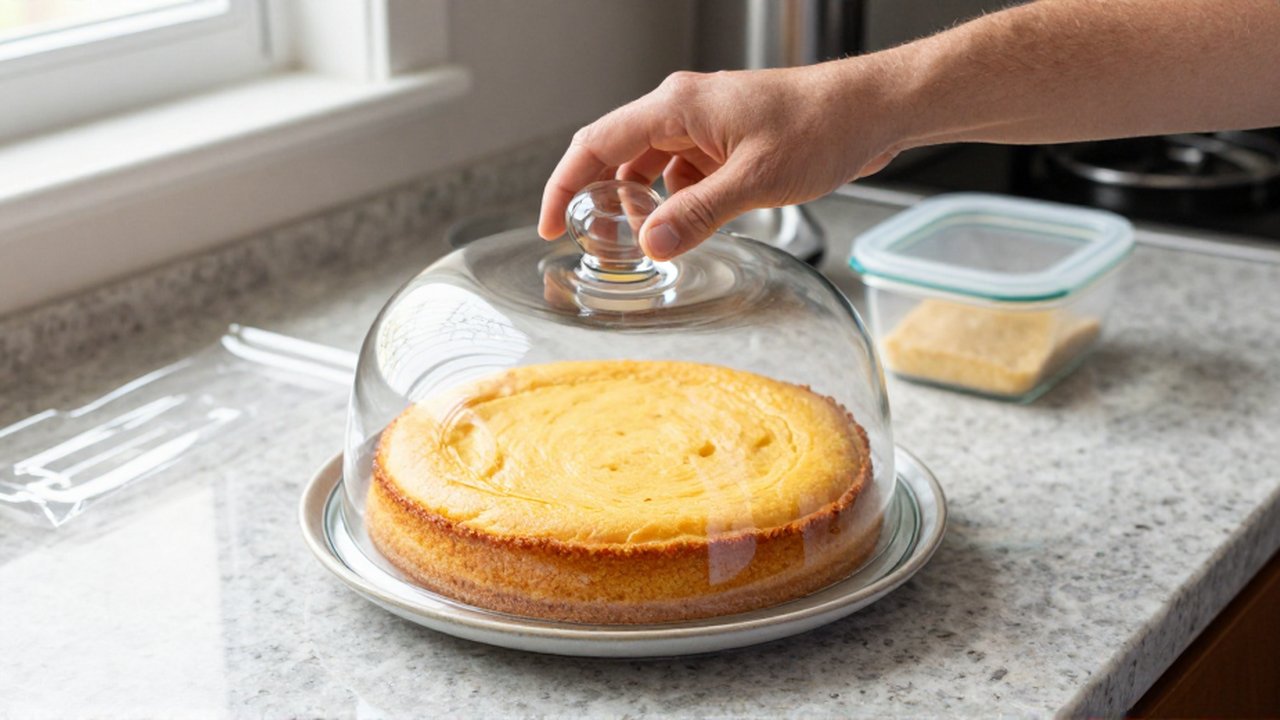
Once your cake has cooled completely, cover it with a cake dome, plastic wrap, or place it in an airtight container. Because this recipe uses milk and eggs, it should be stored properly to maintain freshness. At room temperature, the cake will stay moist and delicious for about 2 days if kept in a cool, dry place. However, for longer storage, it is best to keep it in the refrigerator, where it can last for up to 5 days.
When storing in the refrigerator, be aware that the texture may become slightly firmer due to the cooling of the fats. If you prefer a warmer cake, you can briefly warm a slice in the microwave for 10 to 15 seconds to restore that soft, freshly-baked feel. Always ensure that any used utensils are cleaned thoroughly and that the cake is not left sitting out at room temperature for extended periods, especially in warm environments, to maintain food quality and safety.
Frequently Asked Questions
Can I use cornmeal from the taco aisle instead of fine cornmeal?
Most cornmeal used for tacos or polenta is much coarser than what is required for a traditional bolo de fubá. While you can use it, the texture of your cake will be significantly grainier and may feel "sandy" on the tongue. If you must use it, try pulsing it in a high-speed blender for a few seconds to break it down into a finer powder before measuring.
Why did my cake sink in the middle?
A sunken center often occurs if the oven door is opened too early in the baking process, causing a sudden temperature drop, or if the baking powder is expired. Ensure your baking powder is fresh and try to avoid opening the oven until at least 35 minutes have passed. Additionally, overmixing the batter after adding the baking powder can deflate the air bubbles needed for structure.
Can I make this gluten-free?
To make this gluten-free, you will need to replace the 1 ½ cups of all-purpose flour with a high-quality 1:1 gluten-free flour blend that includes xanthan gum. Standard cornmeal is naturally gluten-free, but always check the label of your cornmeal to ensure there is no cross-contamination if you are cooking for someone with a severe gluten sensitivity.
Leave a Reply
Related posts