
Easy Recipe for Crispy Venezuelan Cheese Pastelitos


Pastelitos are a beloved staple in Venezuelan cuisine, serving as a versatile snack, a quick breakfast, or a delightful treat during social gatherings. While the term "pastelito" can refer to various types of small pastries depending on the region, the Venezuelan version most commonly refers to small, golden, crispy turnovers filled with savory ingredients—most famously, melting cheese. These handheld delights consist of a thin, flaky dough that is fried or baked until it achieves a perfect crunch, encasing a warm, gooey center.
For the home cook in the United States, making pastelitos offers a wonderful way to introduce vibrant Latin American flavors to the table without needing specialized equipment or rare imports. While traditional recipes might involve making a corn-based dough from scratch, this version focuses on a practical approach using common ingredients found in any local supermarket. This guide will walk you through creating crispy, delicious cheese pastelitos that satisfy that craving for something salty, savory, and satisfyingly crunchy. Whether you are preparing them for a weekend brunch or as an appetizer for guests, these pastry pockets are designed to be approachable and successful on the first try.
Choosing the Right Filling and Dough
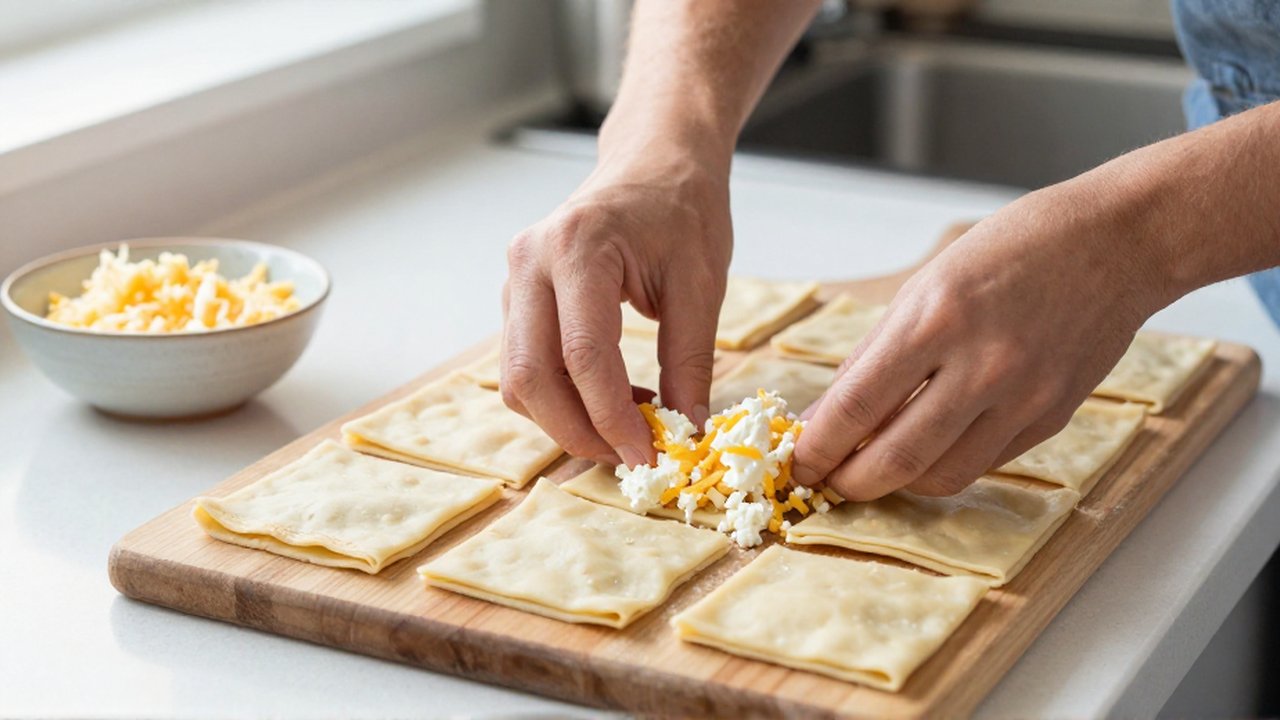
The soul of a Venezuelan pastelito lies in the contrast between the crisp exterior and the soft, savory interior. Traditionally, cheese is the star. In Venezuela, many families use queso blanco, a salty, firm, but meltable white cheese. In US supermarkets, you can achieve a very similar flavor and texture profile by using a combination of cheeses. A mix of Monterey Jack for its melting capabilities and Feta or Queso Fresco for that essential salty punch works beautifully. If you prefer a milder flavor, a combination of Mozzarella and mild white cheddar is a reliable substitute.
To keep this recipe accessible, we will use store-bought refrigerated pie crusts or puff pastry. While a traditional cornmeal dough (masa) is common for other Latin American empanadas, the pastry-style pastelito relies on a laminated or flaky dough to achieve that distinct "shatter" when you bite into it. Using pre-made dough saves significant time and ensures a consistent texture, allowing you to focus on the seasoning and the frying technique.
If you wish to expand your repertoire, consider that cheese is just the beginning. You can incorporate cooked shredded chicken seasoned with garlic and onion, or even sweetened fillings like guava paste (guayaba) paired with cream cheese. However, for this recipe, we will stick to the classic cheese version to master the fundamental technique of creating the perfect crispy shell.
Ingredients for Cheese Pastelitos
This recipe yields approximately 12 to 15 medium-sized pastelitos, depending on how large you roll your dough.
- 2 sheets of refrigerated pie crust or puff pastry (about 14 to 17 ounces total)
- 1 cup (4 ounces) of Monterey Jack cheese, shredded
- 1/2 cup (2 ounces) of Feta cheese or Queso Fresco, crumbled
- 1/4 teaspoon salt (adjust based on the saltiness of your chosen cheese)
- 1/4 teaspoon garlic powder
- 1/4 teaspoon dried oregano
- 1 large egg (for the egg wash)
- 1 tablespoon water (for the egg wash)
- 2 cups of vegetable, canola, or peanut oil (for frying)
Note: If you prefer to bake these instead of frying, you will need an egg wash to ensure a golden color, but they will be less "crispy" in the traditional sense.
Step-by-Step Preparation
Follow these steps carefully to ensure the filling stays inside the pastry and the dough does not become overly greasy.
- Prepare the Filling: In a medium mixing bowl, combine the shredded Monterey Jack, the crumbled Feta or Queso Fresco, garlic powder, oregano, and salt. Toss them together until the spices are evenly distributed among the cheese. Setting the filling aside allows the flavors to meld slightly before assembly.
- Prepare the Dough: Unroll your pie crusts or puff pastry on a lightly floured clean surface. If using puff pastry, keep it chilled until the exact moment you are ready to work with it; if the dough gets too warm, it will lose its ability to create flaky layers.
- Cut the Shapes: Use a circular cookie cutter or a small drinking glass (about 3 to 4 inches in diameter) to cut out circles from the dough. You can also use a knife to cut the dough into squares if you prefer a different aesthetic.
- Assemble the Pastelitos: Place approximately 1 to 1.5 tablespoons of the cheese mixture in the center of each dough circle. Do not overfill, as this is the most common cause of "explosions" in the frying oil.
- Seal the Edges: Lightly moisten the edges of the dough circle with a finger dipped in water. Place another dough circle on top (if you are making pockets) or fold the single circle in half to create a semi-circle. Press the edges firmly with your fingers or the tines of a fork to create a crimped seal. The seal must be tight to prevent cheese from leaking out.
- Apply the Egg Wash: In a small bowl, whisk the egg and water together. Using a pastry brush, lightly coat the tops of the assembled pastelitos. This will provide a beautiful, deep golden color.
- Heat the Oil: Pour the oil into a heavy-bottomed saucepan or a small deep fryer. Heat the oil to 350°F (175°C). If you do not have a thermometer, you can test the oil by dropping a small piece of dough into it; if it sizzles and rises to the surface immediately, the oil is ready.
- Fry to Perfection: Carefully lower 3 or 4 pastelitos into the oil at a time. Do not overcrowd the pan, as this will drop the oil temperature and make the pastry greasy. Fry for 2 to 3 minutes per side, or until they are a uniform golden brown.
- Drain and Serve: Use a slotted spoon to remove the pastelitos and place them on a plate lined with paper towels to absorb any excess oil. Let them rest for at least 5 minutes before serving. This allows the cheese to set slightly so it doesn't burn your mouth upon the first bite.
Tips for Success and Variations
To achieve the ultimate crispiness, temperature control is your most important tool. If the oil is too cold, the dough will absorb the fat like a sponge, resulting in a heavy, oily pastry rather than a light, crunchy one. If the oil is too hot, the outside will burn before the cheese inside has had time to melt completely. Maintaining a steady 350°F (175°C) is the professional standard for deep-frying pastries.

For a variation that adds a touch of sweetness, try the "Guava and Cheese" method. Replace half of the cheese mixture with cubes of guava paste. This combination is a classic in many Latin American households and offers a wonderful sweet-and-salty profile. If you are serving these as part of a larger meal, you can also add finely chopped ham to the cheese mixture to create a "ham and cheese" pastelito, which is a very popular breakfast option.
When storing leftovers, it is best to keep them in an airtight container in the refrigerator for up to three days. To restore the crunch, avoid the microwave, which will make the dough soft and chewy. Instead, reheat them in an oven at 350°F (175°C) or in an air fryer for a few minutes until the pastry regains its crispness and the cheese is once again molten.
Frequently Asked Questions
Can I make these ahead of time?
You can prepare the assembled, un-fried pastelitos a few hours in advance. Place them on a parchment-lined tray, cover them loosely with plastic wrap, and keep them in the refrigerator. When you are ready to eat, simply fry them directly from the refrigerator, but be aware you may need an extra minute of frying time to ensure the center is hot.

What if my pastelitos are leaking cheese in the oil?
Leaking usually happens due to two reasons: too much filling or an improper seal. Always ensure you are using a moderate amount of cheese and that the edges are pressed firmly. Proving the seal with a fork (crimping) provides an extra layer of security.
Can I bake these instead of frying?
Yes, you can bake them. Brush the tops generously with the egg wash to help with browning. Bake in a preheated oven at 400°F (200°C) for 15 to 20 minutes or until golden. While they will be delicious, they will have a texture more similar to a traditional pastry than the signature crispy, fried Venezuelan pastelito.
Leave a Reply
Related posts