
Homemade Mexican Mango Sorbet Recipe with Lime Juice

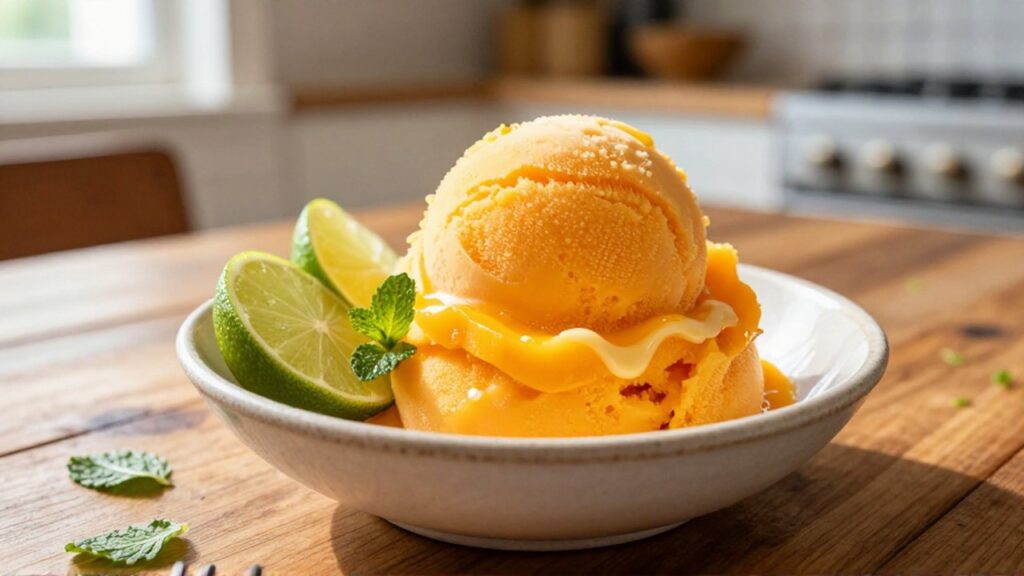
Mango sorbet, known in many Spanish-speaking cultures as sorbete de mango, is a refreshing, dairy-free frozen dessert that highlights the vibrant, tropical essence of ripe fruit. While many store-bought frozen treats rely heavily on corn syrup and artificial flavorings, a homemade version allows you to control the quality of the fruit and the balance of acidity. This specific recipe focuses on the classic Mexican flavor profile, which pairs the intense sweetness of mango with the bright, sharp zing of fresh lime juice.
For the American home cook, making this sorbet is an excellent way to utilize seasonal fruit or high-quality frozen mango chunks found in almost any US supermarket. It serves as a perfect palate cleanser after a spicy meal or as a light, cooling dessert during the warmer months. This guide provides a straightforward method for creating a smooth, scoopable sorbet, whether you own an ice cream maker or prefer a more manual, no-churn approach. By following these steps, you will achieve a dessert that captures the soul of Mexican tropical flavors using simple, accessible ingredients.
Choosing the Right Mangoes
The success of a mango sorbet depends almost entirely on the quality and ripeness of the fruit. In a Mexican-inspired preparation, you want a mango that is deeply fragrant and has a fleshy, non-fibrous texture. If you are shopping at a local supermarket, look for fruit that yields slightly to gentle pressure, similar to a ripe avocado. If the mango feels hard, it is likely underripe and will result in a tart, starchy sorbet rather than a sweet, velvety one.
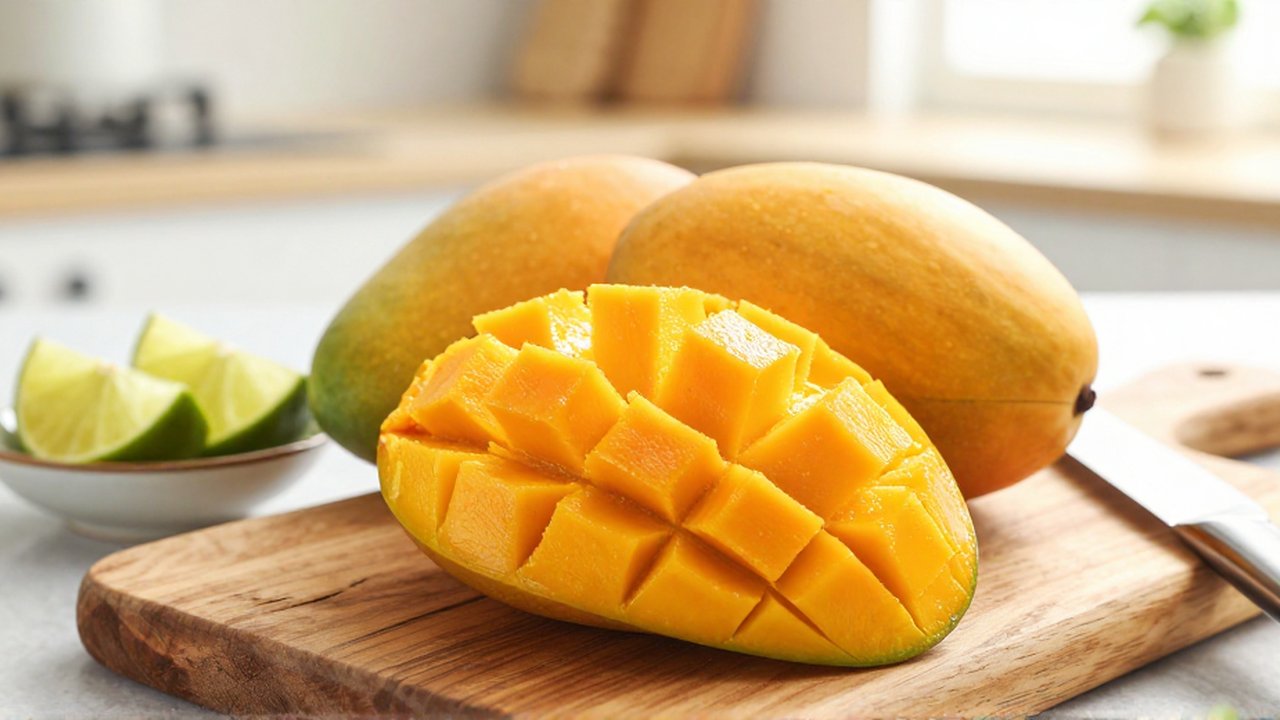
While many varieties exist, the Ataulfo mango (sometimes labeled as honey mangoes in the US) is highly recommended for sorbet. These are smaller, yellow, and possess a creamy, buttery texture with very little fiber, which helps the sorbet achieve a more luxurious mouthfeel. If Ataulfo mangoes are unavailable, a large, ripe Kent or Keitt mango will work well, though you may need to strain the puree through a fine-mesh sieve to remove any woody fibers. If you cannot find fresh mangoes, high-quality frozen mango chunks are an excellent substitute; just ensure they are unsweetened and do not contain added citric acid or preservatives.
Essential Ingredients and Substitutions
To keep the flavors authentic and the texture consistent, this recipe requires a minimal list of ingredients. The goal is to let the mango shine, using lime juice and a simple syrup to enhance rather than mask the fruit.
- 3 lbs (approx. 1.36 kg) ripe mango flesh, peeled and cubed.
- 1/2 cup (4 oz) granulated white sugar.
- 1/2 cup (4 oz) water.
- 1/4 cup (2 oz) freshly squeezed lime juice. (Approximately 2 to 3 juicy limes).
- 1/2 teaspoon lime zest (optional, for extra brightness).
- A pinch of fine sea salt.
If you find that your mangoes are exceptionally sweet, you can reduce the sugar in the simple syrup by half. If you prefer a more intense lime flavor, you can increase the lime juice to 1/3 cup, but be aware that the acidity will change the overall balance. For those who want to avoid refined sugar, agave nectar can be used as a substitute, though it may slightly alter the color and sweetness profile of the final sorbet. Always remember to use fresh lime juice rather than the bottled concentrate for the most vibrant, aromatic result.
Step-by-Step Preparation Guide
Follow these instructions to transform your fresh fruit into a professional-quality frozen dessert. This process is divided into creating the base and the freezing stage.
- Prepare the Simple Syrup: In a small saucepan, combine the 1/2 cup of granulated sugar and 1/2 cup of water. Place the pan over medium heat and stir occasionally until the sugar has completely dissolved. Once the liquid is clear, remove it from the heat and allow it to cool to room temperature. Using hot syrup in your fruit puree can affect the texture and flavor.
- Puree the Mango: Place the cubed mango flesh into a high-speed blender or food processor. Add the cooled simple syrup, the fresh lime juice, and the pinch of salt. Blend on high until the mixture is completely smooth. If you are using a fruitier, more fibrous mango, pour the puree through a fine-mesh strainer into a bowl to ensure a silky consistency.
- Incorporate Aromatics: Stir in the lime zest if you are using it. At this stage, taste the puree. It should be a harmonious balance of sweet, tart, and tropical. If it feels too thick, you can add a tablespoon of water or more lime juice to adjust the consistency.
- Chilling the Base: For the best results, cover the mango puree and refrigerate it for at least one hour before freezing. A cold base leads to smaller ice crystals, which translates to a smoother sorbet.
- Freezing Process (Option A - Ice Cream Maker): Pour the chilled puree into your ice cream maker and churn according to the manufacturer's instructions, usually for 15 to 25 minutes. Once it reaches a soft-serve consistency, transfer it to an airtight container and freeze for an additional 2 to 4 hours to firm up.
- Freezing Process (Option B - No-Churn Method): Pour the puree into a shallow, freezer-safe metal pan. Place it in the freezer. Every 30 to 45 minutes, take the pan out and vigorously stir the mixture with a whisk or a fork to break up ice crystals. Repeat this process 4 or 5 times until the sorbet is firm and smooth.
Achieving the Perfect Texture and Storage
One common challenge when making homemade sorbet is the development of large, icy crystals. This happens when the water in the fruit freezes into large clumps rather than a fine, uniform structure. To prevent this, ensuring your base is very cold before churning and using the stirring method in the no-churn approach are vital. The sugar and the lime juice act as natural anti-freeze agents, helping to keep the texture scoopable rather than turning into a solid block of ice.
When it comes to storage, transfer your finished sorbet to an airtight, shallow container. To prevent the surface from developing ice crystals due to air exposure, you can press a piece of plastic wrap directly onto the surface of the sorbet before sealing the lid. This sorbet is best enjoyed within the first week of freezing. If it becomes too hard after being in the freezer, simply let it sit on the counter for 5 to 10 minutes before scooping.
Frequently Asked Questions
Can I use frozen mango instead of fresh?
Yes, frozen mango is a practical and delicious option. Thaw the mango chunks slightly in the refrigerator before blending so they are soft enough for the blender to process easily. Since frozen fruit is often picked at peak ripeness, the flavor is usually excellent.
How do I prevent the sorbet from being too hard to scoop?
If your sorbet is too firm, it is likely because it was frozen too long or the sugar-to-fruit ratio was too low. To fix this, let the container sit at room temperature for a few minutes before serving. For future batches, you can add a tablespoon of light corn syrup or a teaspoon of vodka to the mixture; both help lower the freezing point and keep the texture softer.
Can I add other flavors to this recipe?
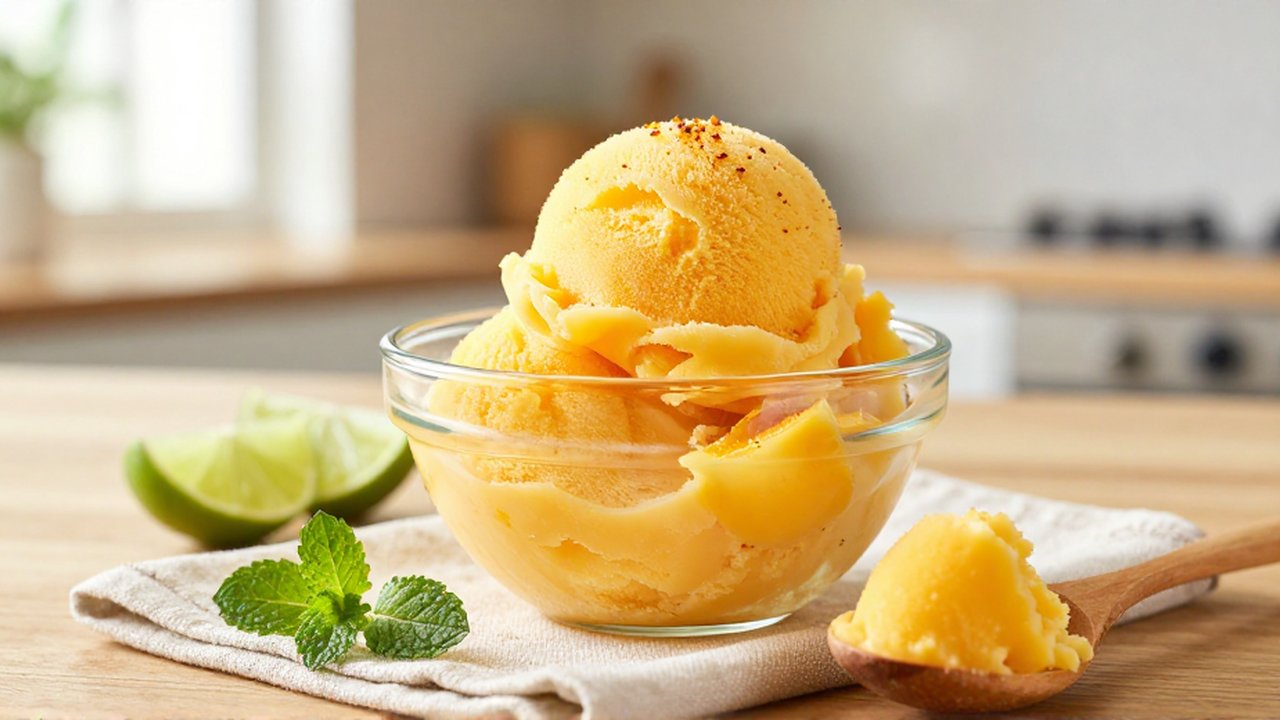
Absolutely. This recipe serves as a fantastic base. You can add a hint of chili powder or Tajín (a Mexican seasoning of chili, lime, and salt) for a spicy kick, or blend in a few mint leaves for a mojito-inspired twist. If you want a more creamy texture without using dairy, adding a small amount of coconut milk can create a delicious mango-coconut sorbet.
Leave a Reply
Related posts