
How to Make a Silky Corn Chowder with Fresh Sweet Corn

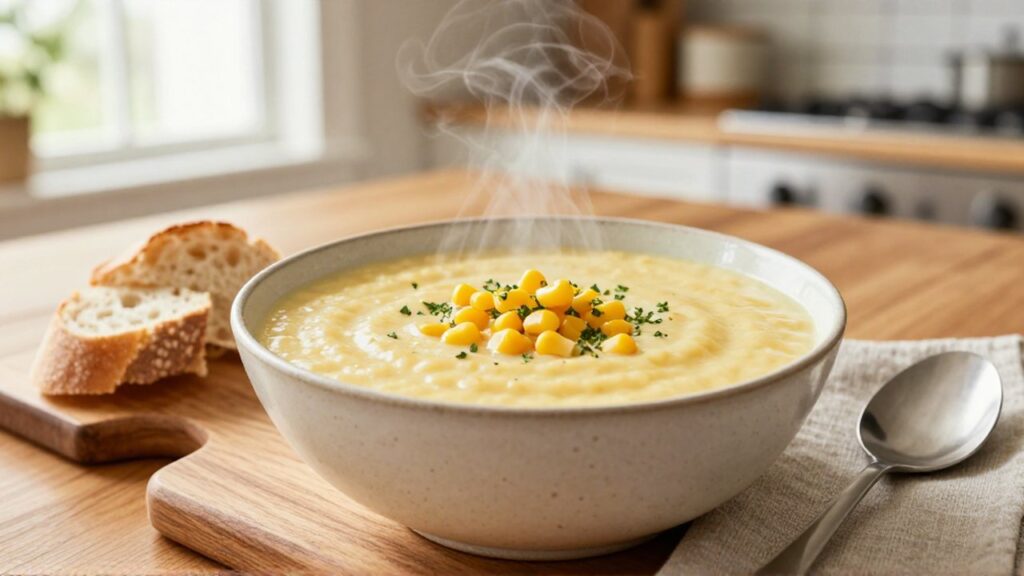
A silky corn chowder is a comforting, creamy soup that celebrates the natural sweetness and texture of fresh corn. While many American variations of corn chowder rely heavily on heavy cream and potatoes to achieve a thick consistency, a Latin American-inspired approach often focuses on the corn itself to create a rich, velvety base. This method utilizes the starch from the kernels and the liquid released during cooking to build body, resulting in a soup that feels luxurious without being overly heavy.
For the home cook in the United States, this dish is an excellent way to make use of fresh sweet corn during the summer months or high-quality frozen corn during the rest of the year. This recipe guides you through the process of transforming simple ingredients into a sophisticated chowder that balances sweetness with savory notes. You will learn how to extract the maximum flavor from the corn cobs, how to achieve a smooth texture, and how to adjust seasonings to suit your preference. Whether you are looking for a quick weeknight dinner or a cozy starter for a weekend gathering, this silky corn chowder delivers a high-impact result with manageable effort.
Preparing the Corn and Building the Flavor Base

The secret to a truly exceptional corn chowder lies in how you handle the corn. In many traditional Latin American preparations, such as those found in various regional styles of cremas de maíz (corn creams), the corn cob is not discarded but rather used to enrich the broth. To begin, you will need fresh ears of corn. If you are using fresh corn, carefully slice the kernels off the cob. However, do not throw the bare cobs away. Instead, place them in your pot along with your liquid base to simmer. This technique extracts the "milk" and deep essence of the corn, providing a foundation of flavor that water or plain stock cannot match.
Once the corn base is established, the next step is building the aromatic foundation. This usually begins with a sofrito—a flavorful base of sautéed vegetables. While a classic Caribbean sofrito might include peppers, onions, and garlic, for a silky chowder, we focus on finely diced aromatics that can blend easily into the soup. Sautéing these vegetables in butter or oil softens their texture and releases their natural sugars, creating a savory counterpoint to the sweet corn. If you prefer a more pronounced flavor, you can add a small amount of diced jalapeño or serrano pepper, though you should remove the seeds to keep the heat mild.
Ingredients for Silky Corn Chowder
This recipe yields approximately 4 to 6 servings. All measurements are provided in US customary units.
- 4 to 6 ears of fresh sweet corn (approximately 1 pound of kernels)
- 4 cups (32 ounces) of chicken or vegetable stock
- 1/2 cup (1 stick) of unsalted butter
- 1 medium yellow onion, finely diced
- 3 cloves of garlic, minced
- 1/2 cup (4 ounces) of all-purpose flour
- 1 1/2 cups (12 ounces) of whole milk
- 1/2 cup (4 ounces) of heavy cream (optional, for extra richness)
- 1/2 teaspoon of kosher salt, plus more to taste
- 1/2 teaspoon of freshly cracked black pepper
- 1/4 teaspoon of ground cumin
- 1/4 teaspoon of smoked paprika
- 1 tablespoon of fresh cilantro, finely chopped (for garnish)
- Optional: 1/2 cup of cooked bacon bits or diced cooked ham
Step-by-Step Cooking Instructions
- Extract the Corn Essence: Remove the kernels from the ears of corn using a knife. Place the bare cobs, the corn kernels, and the stock into a large pot. Bring the mixture to a gentle boil, then reduce the heat to low and simmer for about 15 to 20 minutes. This allows the starch and flavor to infuse the liquid. Once finished, use a slotted spoon to remove the cobs and the kernels, leaving the flavored stock behind. Set the kernels aside.
- Sauté the Aromatics: In a clean pot or the same pot used for the stock (after straining out the cobs), melt the butter over medium heat. Add the finely diced onion and sauté for 5 to 7 minutes until translucent. Add the minced garlic, cumin, and smoked paprika, and cook for another 1 minute until fragrant.
- Create the Roux: Sprinkle the all-purpose flour over the sautéed vegetables and butter. Stir constantly for about 2 minutes to cook out the raw flour taste. The mixture should look like a thick paste.
- Thicken the Soup: Slowly pour in the milk and the reserved corn stock while whisking constantly to prevent lumps from forming. Continue to cook over medium heat, stirring frequently, until the liquid begins to thicken and reaches a gentle simmer.
- Blend for Silkiness: To achieve the "silky" texture, take about half of the corn kernels and two or three ladles of the liquid mixture and place them in a blender. Blend until completely smooth, then pour the blended mixture back into the main pot. This provides the creamy body without needing excessive amounts of heavy cream.
- Final Simmer: Add the remaining whole corn kernels back into the pot. If you are using heavy cream, stir it in now. Season with salt and black pepper. Let the chowder simmer on low for another 5 to 10 minutes to allow the flavors to harmonize.
- Serving: Ladle the hot chowder into bowls. Garnish with fresh cilantro and, if desired, bacon bits or a dollop of sour cream.
Texture Variations and Substitutions
While the goal is a silky consistency, home cooks often have different preferences for texture. If you prefer a rustic, chunky chowder, you can skip the blending step entirely. This will result in a thinner broth with whole kernels and soft vegetables. Conversely, if you want an ultra-smooth, restaurant-style crema, you can pour the entire finished soup through a fine-mesh sieve or use an immersion blender until no lumps remain.
Regarding ingredients, if fresh corn is unavailable, frozen sweet corn is an excellent substitute. Use approximately 16 ounces (1 pound) of frozen corn. Because frozen corn lacks the cob to provide extra flavor, I recommend using a high-quality, flavorful stock to compensate. If you are avoiding dairy, you can substitute the milk and cream with full-fat coconut milk. This will add a subtle tropical note that pairs beautifully with the corn and cumin, though it will change the flavor profile slightly from a traditional creamy chowder to something more reminiscent of Latin American coastal cooking.
Storage and Food Safety
When making soup in larger batches, proper storage is essential for maintaining quality and safety. Allow the chowder to cool slightly before transferring it to airtight containers. Do not leave the soup at room temperature for more than two hours. Once cooled, store it in the refrigerator for up to 3 to 4 days. If you plan to freeze the chowder, be aware that the texture of the corn and the dairy may change slightly upon thawing. For the best results when freezing, blend the soup completely before freezing to ensure a consistent texture when reheated.
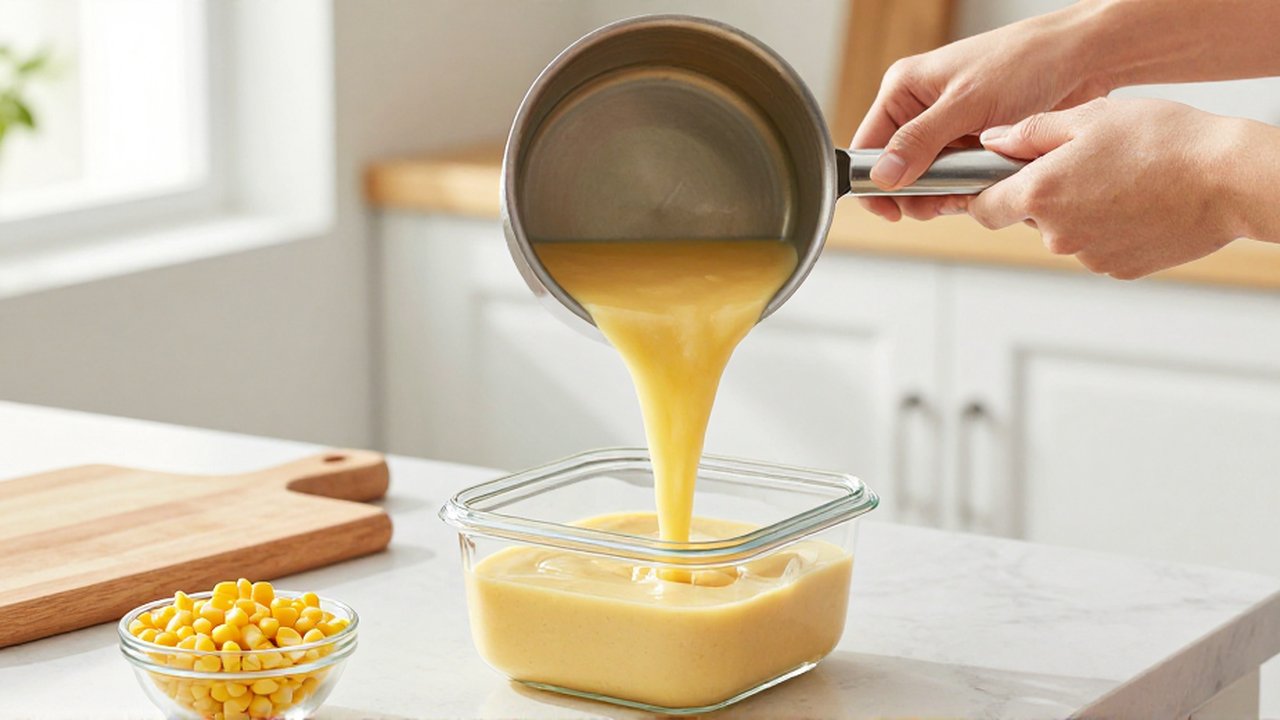
When reheating, it is best to do so on the stovetop over medium-low heat. Because the soup contains starch and dairy, it may thicken significantly as it cools. If the chowder seems too thick when reheating, simply add a small splash of milk or stock to loosen it to your desired consistency. Always ensure the soup reaches an internal temperature of at least 165°F (74°C) when reheating to ensure it is safe to consume.
Frequently Asked Questions
Can I make this soup vegan?
Yes, you can certainly adapt this recipe. Use vegetable stock instead of chicken stock, and replace the butter and milk/cream with plant-based alternatives such as vegan butter and oat milk or coconut milk. To maintain the thickness, you may need to slightly increase the amount of flour used in the roux.
Why is my chowder lumpy?
Lumps usually occur when the flour (the roux) is not properly incorporated into the liquid. To prevent this, always add your liquid (stock and milk) very slowly, whisking vigorously after each addition. If you find lumps have already formed, an immersion blender is a quick and effective way to smooth the soup out.
Is it possible to use canned corn?
While you can use canned corn, the flavor and texture will not be as vibrant as fresh or frozen corn. Canned corn is often softer and lacks the natural sugars found in fresh ears. If you do use canned corn, drain and rinse it thoroughly first, and be mindful of the salt content in the can, as you may need to adjust your additional seasoning.
Leave a Reply
Related posts