
How to Cook Creamy Colombian Ajiaco Chicken Soup at Home

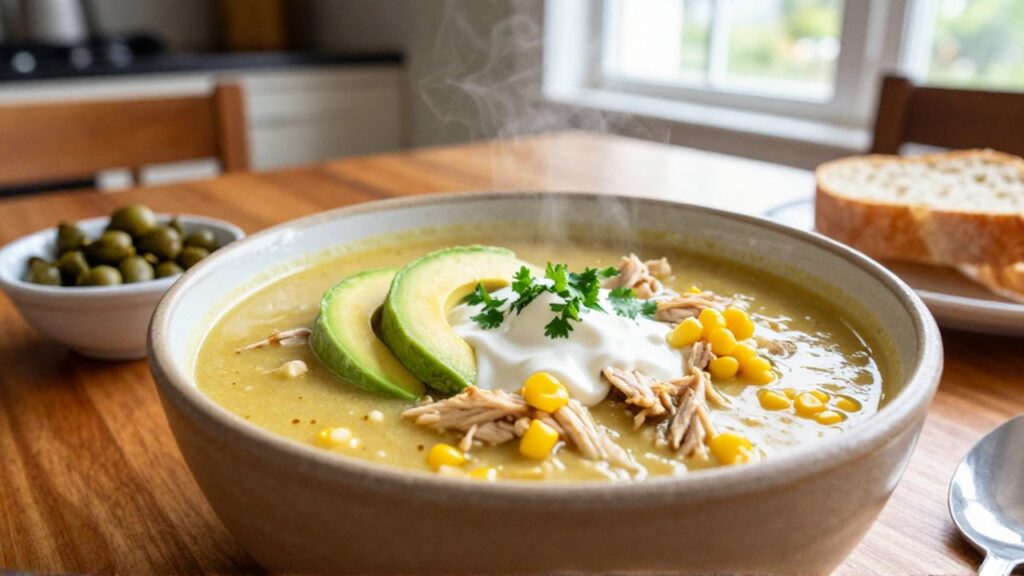
Ajiaco is a quintessential Colombian soup that represents the heart of Andean highland cooking. Hailing primarily from Bogotá and the surrounding mountain regions, this comforting dish is much more than a simple chicken soup; it is a thick, hearty, and deeply flavorful stew characterized by its unique use of three different varieties of potatoes and a specific herb known as guascas. For an American home cook, Ajiaco offers the perfect opportunity to explore Latin American flavors using ingredients that are widely available in US grocery stores, provided you know what to look for to achieve that signature creamy texture.
The magic of a true Ajiaco lies in its starchiness. Unlike many clear broths, a successful Ajiaco relies on different types of potatoes breaking down at different rates to create a naturally thick, velvety base without the need for added flour or cream. This guide will walk you through how to replicate that complex texture and savory profile in your own kitchen. We will cover the essential ingredients, the specific cooking techniques required to achieve the right consistency, and how to serve the dish with the traditional garnishes that turn a simple bowl of soup into a complete, festive meal.
Understanding the Essential Ingredients
To cook Ajiaco at home, you need to understand the roles of its primary components. The foundation is a flavorful chicken stock, traditionally made by simmering chicken pieces with aromatics. While many recipes suggest using whole chickens, using bone-in, skinless chicken thighs provides a rich flavor and enough gelatin to contribute to the soup's body. Because we are looking for a hearty meal, ensure your chicken is well-seasoned with salt and perhaps a little garlic before it enters the pot.
The most critical element is the trio of potatoes. In Colombia, cooks use papa criolla (small, yellow, waxy potatoes that dissolve almost completely), papa sabanera (a firmer, larger potato), and papa pastusa (a starchy potato). Since finding these specific Colombian varieties in a standard US supermarket may be difficult, you can achieve a very similar result with a strategic substitution. Use a mix of Yukon Gold potatoes for their creamy texture, red potatoes for structure, and Russet potatoes to provide the necessary starch. The Russets will break down and thicken the broth, while the others will remain as substantial bites.
The soul of the dish is guascas, an herb that provides a unique, slightly earthy, and hay-like aroma. You can often find dried guascas in the Hispanic aisle of large supermarkets or at specialty Latin markets. If you absolutely cannot find them, a combination of dried oregano and a touch of dried thyme can act as a makeshift substitute, though the flavor profile will shift slightly. Finally, the soup is always completed tableside with heavy cream and capers, which add brightness and a rich finish to the earthy base.
Ingredients for Authentic Flavor
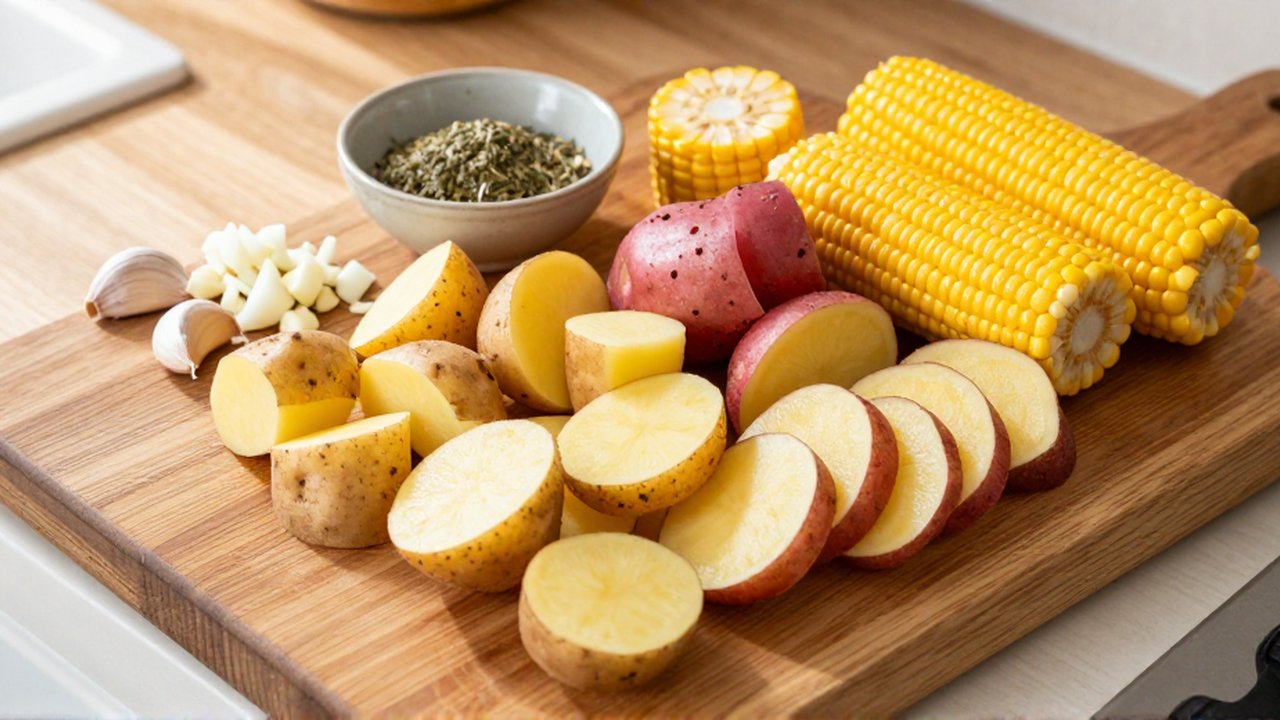
This recipe serves approximately 6 people. Ensure you have a large heavy-bottomed pot or a Dutch oven to allow the potatoes enough room to simmer and break down effectively.
- 2 pounds (approx. 900g) bone-in, skinless chicken thighs or drumsticks
- 2 tablespoons unsalted butter or vegetable oil
- 3 cloves garlic, minced
- 1 medium white onion, finely diced
- 2 cups (475ml) corn on the cob, cut into small rounds (optional, for extra sweetness)
- 1 pound (450g) Russet potatoes, peeled and roughly chopped into large chunks
- 1 pound (450g) Yukon Gold potatoes, peeled and sliced into rounds
- 1 pound (450g) red potatoes, skin on and sliced into thick rounds
- 1 tablespoon dried guascas (or a mix of oregano and thyme)
- 8 cups (1.9 liters) chicken stock (low sodium preferred)
- Salt and freshly ground black pepper to taste
- 1/2 cup (120ml) heavy cream (for serving)
- 2 tablespoons non-pareil capers, drained (for serving)
- 1 ripe avocado, sliced (for serving)
- Cooked white rice (for serving)
Step-by-Step Cooking Instructions
Follow these steps carefully to ensure the potatoes reach the correct level of breakdown, which is the key to a successful Ajiaco.
- Sauté the Aromatics: Heat the butter or oil in a large Dutch oven over medium heat. Add the diced onion and minced garlic, sautéing for about 5 minutes until the onion is translucent and fragrant. Do not let the garlic brown too deeply, as this can turn bitter.
- Sear the Chicken: Add the chicken pieces to the pot. Cook them for about 5 to 7 minutes per side until they are lightly browned. This step helps lock in moisture and adds a layer of savory depth to the eventual broth.
- Simmer the Base: Pour in the chicken stock and bring the mixture to a boil. Once boiling, reduce the heat to low and let it simmer partially covered for about 20 minutes.
- Add the Potato Trio: Add the chopped Russet potatoes, Yukon Golds, and red potatoes to the pot. If you are using corn on the cob pieces, add them now as well. Stir in the dried guascas.
- The Breakdown Process: Continue to simmer the soup for 40 to 50 minutes. During this time, the Russet potatoes should begin to disintegrate, thickening the liquid. Use a wooden spoon to occasionally press a few of the larger potato chunks against the side of the pot to help release their starch. The soup is ready when the chicken is tender and falls off the bone, and the broth has reached a creamy, thick consistency.
- Final Seasoning: Remove the chicken pieces from the pot and set them aside on a plate. Taste the broth. Add salt and black pepper as needed. If the soup feels too thick, you can thin it with a little more chicken stock or water. Return the chicken to the pot just before serving to keep it warm.
Serving and Customizing Your Ajiaco
Ajiaco is traditionally served in individual bowls, and the experience is interactive. Because the soup is so hearty, it is almost always accompanied by sides that allow each diner to customize the richness and acidity of their bowl. The most important additions are the heavy cream and the capers.

To serve, ladle the thick soup and chicken into deep bowls. Provide small ramekins on the table filled with heavy cream and capers. For a traditional presentation, each person should swirl a tablespoon of cream into their soup and sprinkle a teaspoon of capers over the top. The cream mellows the earthiness of the guascas, while the capers provide a necessary salty, acidic punch that cuts through the potato starch.
In many Colombian households, Ajiaco is served alongside a side of white rice and slices of ripe avocado. The creamy texture of the avocado complements the soup beautifully. If you prefer a more filling meal, serving it with a side of corn arepas (small, thick corn cakes) is also a common practice. Note that the cream and capers are added at the table, so they should not be stirred into the main cooking pot, as this would alter the consistency and flavor for subsequent servings.
Tips for Success and Food Safety
To ensure your Ajiaco turns out perfectly every time, keep a few professional tips in mind. First, do not rush the potato cooking time. If you find the soup is still too watery after 40 minutes, continue simmering with the lid off; the evaporation will help concentrate the flavors and thicken the base. Second, when substituting potatoes, remember that the Russet is your "thickener," the Yukon Gold is your "creamy texture," and the red potato is your "structure." If you use only one type of potato, you will lose the complex mouthfeel that makes Ajiaco special.
Regarding food safety, always ensure the chicken reaches an internal temperature of 165°F (74°C) before serving. If you are making this ahead of time, allow the soup to cool completely before transferring it to airtight containers for refrigeration. Ajiaco keeps well in the fridge for up to 3 to 4 days, though you may need to add a splash of chicken stock when reheating, as the potatoes will continue to absorb liquid as the soup sits. When reheating, do so on the stovetop over medium-low heat, stirring gently to prevent the thickened base from sticking to the bottom of the pot.
Frequently Asked Questions
Can I make this soup vegetarian?
Yes, you can certainly make a vegetarian version. Simply replace the chicken and chicken stock with a high-quality vegetable stock. To maintain the richness lost from the chicken fat, you can add an extra tablespoon of butter or a splash of coconut milk. You should still use the three types of potatoes to ensure the creamy texture remains intact.
Why is my Ajiaco too thin?
If your soup is too thin, it usually means the starches haven't been released. You can fix this by taking a few of the cooked potato chunks out, mashing them into a paste with a fork, and stirring them back into the broth. Alternatively, let the soup simmer uncovered for an extra 15 minutes to reduce the liquid.
Can I use frozen guascas?
If you find frozen guascas at a specialty market, they work perfectly. Use about half the amount of a dried recipe, as frozen herbs are often more potent. If you cannot find any, the oregano/thyme substitution mentioned earlier is your best practical option in a standard US kitchen.
Leave a Reply
Related posts