
Cuban Frijoles Negros: Black Bean Soup with Smoked Pork

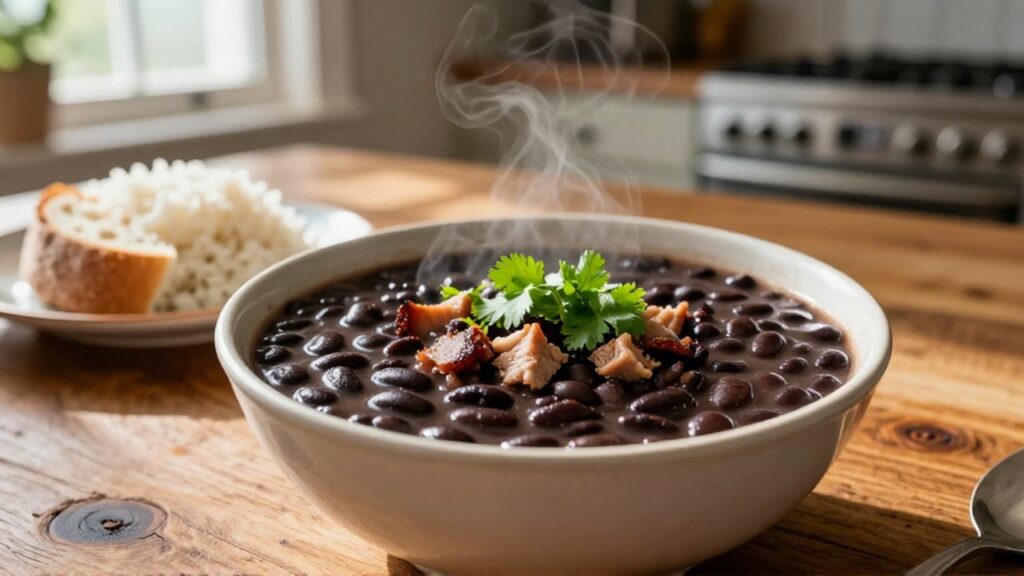
Cuban frijoles negros, or black bean soup, is a cornerstone of Cuban cuisine and a staple in households throughout the Caribbean. While many people in the United States associate beans with simple side dishes, the Cuban approach treats them as a rich, savory, and deeply flavorful centerpiece. This dish is defined by a slow-simmered process that marries earthy black beans with a savory aromatic base known as sofrito and the smoky, salty depth of cured pork. For a home cook in the United States, mastering this recipe offers a way to transform humble, pantry-stable ingredients into a meal that feels both comforting and sophisticated.
This guide is designed to walk you through the traditional method of preparing frijoles negros, ensuring you achieve that signature velvety texture and robust flavor profile. We will cover the essential ingredients, the importance of the smoky pork component, and a step-by-step method that works perfectly in a standard stovetop pot or a slow cooker. By the end of this article, you will have the tools to create a soup that tastes as though it has been simmering on a stove for hours, even if you are working within a tighter schedule.
The Foundation of Flavor: Ingredients and Substitutions
The success of a great black bean soup relies on the quality of its basic components. The most important ingredient is the dried black bean. While canned beans are widely available in US supermarkets, they often lack the depth of flavor and the starch necessary to create the thick, creamy consistency characteristic of authentic Cuban beans. If you must use canned beans, choose a high-quality variety and consider blending a small portion of them with a bit of their liquid to add body to the soup. However, for the best results, dried beans are highly recommended.
The flavor profile is built upon a foundation of aromatics and smoked meat. Traditional recipes almost always include tocino (salt pork or bacon) or jamón (ham) to provide a fatty, savory backbone. In the United States, thick-cut smoked bacon is a very practical and widely available substitute if you cannot find traditional salt pork. For the aromatic base, you will need onions, bell peppers, and garlic. In Cuba, the green bell pepper is a standard, though some regional variations might use red peppers for a touch of sweetness.
To ensure you have everything ready, here is a comprehensive list of ingredients for a standard batch that serves approximately six people:
- 1 pound (approx. 454g) dried black beans, sorted and rinsed
- 6 cups water (or unsalted chicken/vegetable stock for extra depth)
- 4 ounces (approx. 113g) smoked bacon or salt pork, diced
- 1 large yellow onion, finely diced
- 1 green bell pepper, finely diced
- 4 to 6 cloves of garlic, minced
- 1 teaspoon dried oregano
- 1 bay leaf
- 1 tablespoon extra virgin olive oil
- Salt and freshly ground black pepper to taste
- Optional: 1 tablespoon white vinegar or lime juice (to brighten the flavors at the end)
Step-by-Step Cooking Instructions
Preparing frijoles negros requires patience, as the beans need time to soften and absorb the flavors of the seasonings. You can choose between two primary methods: the traditional stovetop method or the convenient slow cooker method. Both will result in a delicious soup, but the stovetop method allows for more control over the reduction and thickness of the liquid.

The Stovetop Method
- Prepare the Beans: Begin by sorting through your dried beans to remove any small stones or debris. Rinse them thoroughly in a colander under cold running water. While some traditions suggest soaking beans overnight, you can also cook them from dry without soaking, though soaking will decrease the total cooking time.
- Initial Simmer: Place the rinsed beans in a large heavy-bottomed pot. Add 6 cups of water (or stock), the bay leaf, and the diced smoked pork or bacon. Bring the pot to a boil over medium-high heat, then immediately reduce the heat to low. Cover the pot partially and let it simmer gently. This process usually takes between 60 and 90 minutes, depending on the age of the beans. Once the beans are tender but not mushy, proceed to the next step.
- Create the Sofrito: While the beans are simmering, heat the olive oil in a separate skillet over medium heat. Add the diced onion and green bell pepper. Sauté them until the onions become translucent and soft, which should take about 5 to 7 minutes. Add the minced garlic and dried oregano to the skillet, cooking for another 1 to 2 minutes until fragrant, being careful not to burn the garlic.
- Combine and Thicken: Once the beans are tender, pour the entire contents of the skillet (the sofrito) into the pot with the beans. Stir well. To achieve a thicker, creamier consistency, take a ladleful of the beans and some liquid, blend them in a small blender or mash them with a fork, and stir them back into the pot.
- Final Seasoning: Let the soup simmer uncovered for another 10 to 15 minutes to allow the flavors to meld and the liquid to reach your desired thickness. Taste the soup before adding salt, as the smoked pork and any stock used can be quite salty. Add salt, pepper, and a splash of vinegar or lime juice if you prefer a brighter finish.
The Slow Cooker Method
If you prefer a "set it and forget it" approach, you can use a slow cooker. Place the rinsed beans, water or stock, diced smoked pork, bay leaf, and oregano into the slow cooker. Cook on "Low" for 6 to 8 hours or "High" for 3 to 4 hours. About 30 minutes before serving, prepare the sofrito in a skillet as described above, then stir it into the slow cooker. This ensures the aromatics are fresh and not merely boiled, which provides a much better flavor.
Essential Tips for Success and Food Safety
One of the most common mistakes when making frijoles negros is adding salt too early. If you add salt at the beginning of the cooking process, the skins of the beans can sometimes remain tough or "chewy." Always wait until the beans are significantly softened before performing your final salt adjustment. Similarly, if you are using a store-bought stock instead of water, check the sodium content on the label; you may find you do not need to add any additional salt at all.
When handling the smoked pork and raw ingredients, always practice standard food safety. Ensure that any meat products are cooked to their recommended internal temperatures and that you wash your hands, cutting boards, and utensils thoroughly after they come into contact with raw pork. When storing your leftovers, allow the soup to cool slightly before placing it in an airtight container in the refrigerator. Frijoles negros actually tend to taste even better the next day after the flavors have had time to settle, making them an excellent option for meal prep.
Frequently Asked Questions

Can I make this recipe vegetarian or vegan?
Yes, you can easily adapt this recipe for a plant-based diet. To replace the smoky flavor of the pork, you can use smoked paprika (pimentón) or a small amount of liquid smoke. Alternatively, using a variety of smoked vegetables, like smoked sea salt or mushrooms, can add complexity. Ensure you use vegetable stock instead of chicken stock to keep the dish entirely vegan.
Why are my beans still hard after an hour of cooking?
There are several reasons why beans might stay hard. The most common is that the beans are old; dried beans lose moisture over time, and very old beans may never fully soften. Another reason is the acidity of your cooking liquid. If you add vinegar or tomato products too early, the acid can prevent the beans from softening. Always wait until the beans are nearly tender before adding acidic ingredients.
How do I store and reheat this soup?
This soup stays fresh in the refrigerator for up to 4 or 5 days when kept in a sealed container. Because the starches in the beans continue to absorb liquid as they sit, you may notice the soup becomes very thick overnight. When reheating, simply add a splash of water or stock to loosen the consistency. This soup can also be frozen for up to 3 months, though the texture may change slightly upon thawing.
Leave a Reply
Related posts