
Salvadoran Sopa de Pollo: Chicken Soup with Vegetables

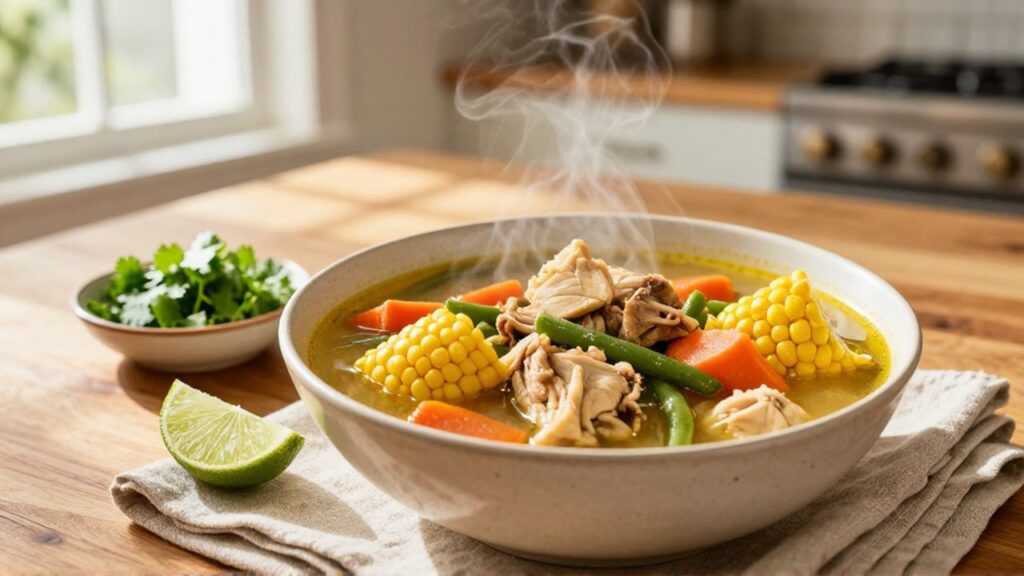
Salvadoran Sopa de Pollo, a comforting chicken soup with vegetables, is a cornerstone of Salvadoran home cooking. Unlike some of the more complex, cream-based soups found in other parts of the world, this dish is characterized by its clarity, its abundance of hearty vegetables, and its ability to highlight the natural flavor of a well-simmered chicken. For a home cook in the United States, it offers a wonderful opportunity to practice the art of making a nutritious, one-pot meal that uses basic pantry staples and fresh produce found in any local supermarket.
This recipe focuses on creating a deep, flavorful broth that serves as the foundation for the entire dish. While many chicken soups rely heavily on salt or pre-packaged bouillon, a traditional Salvadoran approach emphasizes layering flavors through aromatics and the natural juices released by the chicken and vegetables during the simmering process. This guide will walk you through the essential steps to achieve that authentic taste, providing adjustments for ingredients that might vary in availability while ensuring the soul of the dish remains intact.
The Essentials of Flavor and Ingredients
The success of a great Sopa de Pollo depends largely on the quality of the chicken and the freshness of the vegetables. In many Salvadoran households, a whole chicken is broken down into pieces to ensure that the bones contribute maximum flavor to the broth. For the US cook, using bone-in, skin-on chicken thighs or a whole chicken cut into pieces is highly recommended. The skin and bones provide the gelatin and fat necessary to create a rich mouthfeel, preventing the soup from tasting thin or watery.
Vegetables play a structural role here. Typically, the soup includes starchy elements like potatoes or yuca (cassava) to provide body, alongside lighter vegetables like carrots and zucchini. While yuca is a staple in Central America, it can occasionally be harder to find in standard US grocery stores. If you cannot find fresh or frozen yuca, potato is an excellent substitute that provides a similar comforting texture. Additionally, the inclusion of corn on the cob adds a touch of sweetness and a lovely visual element to the bowl.
Below is the ingredient list required to serve approximately 6 people:
- 3 to 3.5 pounds (1.4 to 1.6 kg) of bone-in, skin-on chicken pieces (a whole chicken cut up works best)
- 2 tablespoons of vegetable oil
- 1 large white onion, chopped
- 3 cloves of garlic, minced
- 2 large carrots, peeled and sliced into thick rounds
- 2 medium potatoes, peeled and cubed into 1-inch pieces
- 1 medium zucchini (often called calabacita in Latin markets), sliced into thick half-moons
- 1 ear of corn, cut into 2 or 3 smaller rounds (cob segments)
- 1 cup of green beans, trimmed and cut into 2-inch pieces
- 1 tablespoon of tomato paste (to provide color and a hint of richness)
- 8 to 10 cups of water (or low-sodium chicken stock for extra depth)
- 1 teaspoon of dried oregano
- Salt and freshly cracked black pepper to taste
- Fresh cilantro, chopped, for garnish
- Optional: 1 ripe avocado, sliced, for serving
Step-by-Step Cooking Instructions
To begin, place a large stockpot over medium heat and add the vegetable oil. Once the oil is shimmering, add the chicken pieces. Brown the chicken on both sides to develop a golden crust; this process, known as the Maillard reaction, is vital for adding complexity to your broth. You do not need to cook the chicken through at this stage, but the color change is essential. Once browned, remove the chicken from the pot and set it aside on a plate.
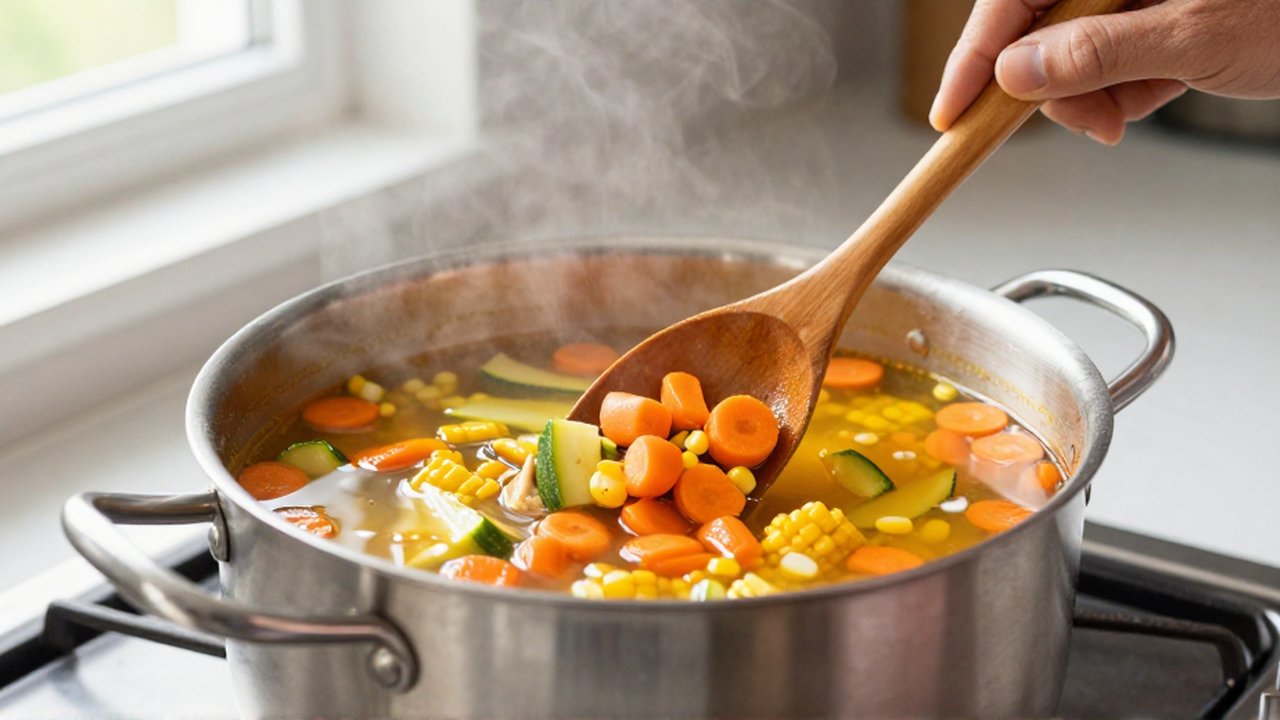
In the same pot, using the rendered fat from the chicken, sauté the chopped onion and minced garlic. Cook for about 5 minutes until the onion becomes translucent and fragrant. Stir in the tomato paste and cook for another minute to "toast" the paste, which removes the raw metallic taste and deepens the color of the soup. Carefully pour in the water or chicken stock, scraping the bottom of the pot with a wooden spoon to release any browned bits (the fond) into the liquid. Return the chicken pieces to the pot, add the oregano, and bring the liquid to a boil. Once boiling, reduce the heat to low, cover the pot, and simmer for about 25 to 30 minutes.
While the chicken is simmering, prepare your vegetables. Once the chicken is nearly tender, add the corn segments and the carrots to the pot, as these take the longest to soften. Let them simmer for about 10 minutes. Next, add the potatoes, green beans, and zucchini. Continue to simmer for another 15 to 20 minutes, or until all the vegetables are tender when pierced with a fork. Taste the broth frequently; this is the moment to adjust the salt and pepper. If the broth feels too thin, you can let it simmer uncovered for the last 10 minutes to allow some evaporation and concentration of flavor.
Serving and Traditional Variations
A bowl of Sopa de Pollo is best served hot, straight from the pot. To maintain the presentation, many cooks serve the soup in deep bowls with the larger pieces of chicken and corn placed prominently in the center, surrounded by the various vegetables. Generously garnish each bowl with fresh cilantro right before serving to provide a bright, herbaceous contrast to the rich broth.
In many Latin American cultures, it is common to serve the soup with accompaniments that allow the diner to customize their experience. A very popular way to serve this dish in El Salvador is with slices of fresh avocado on top or on the side. The creaminess of the avocado cuts through the savory heat of the soup beautifully. Some families also enjoy serving the soup with a side of white rice or warm corn tortillas to soak up the flavorful broth.
Variations are common depending on what is in season. In some regions, chayote (a mild, pear-shaped squash) is used instead of or in addition to zucchini. If you find chayote at a local international market, it is a wonderful addition that holds its shape well during simmering. Additionally, if you prefer a more robust flavor, you can add a halved tomato to the initial simmering stage to further enrich the red hue and acidity of the broth.
Common Questions and Food Safety

Can I make this soup ahead of time?
Yes, Sopa de Pollo actually tastes better the next day as the vegetables and chicken continue to absorb the seasoned broth. If you make it in advance, allow the soup to cool completely before transferring it to airtight containers and refrigerating it. For optimal safety, refrigerate leftovers within two hours of cooking. When reheating, ensure the soup reaches a rolling boil to ensure it is heated thoroughly throughout.
What if my vegetables are getting too soft?
Because different vegetables have different densities, timing is key. If you find your zucchini is turning to mush before your potatoes are done, try adding them in stages. Always start with the hardest vegetables (corn, carrots) and end with the softest (zucchini, spinach, or delicate herbs).
Can I use frozen vegetables?
You can use frozen carrots or green beans, but be mindful of their texture. Frozen vegetables are often blanched before freezing, meaning they cook much faster than fresh ones. Add them toward the very end of the cooking process to prevent them from becoming overly soft.
How do I ensure the chicken is cooked safely?
When cooking bone-in chicken in a soup, ensure that the internal temperature reaches at least 165°F (74°C). Using a meat thermometer is the most reliable way to verify this, especially when cooking larger pieces like thighs or drumsticks. Avoid consuming any broth that has been left at room temperature for extended periods, as this can encourage bacterial growth.
Leave a Reply
Related posts