
How to Make Colombian Sancocho de Pollo with Plantains

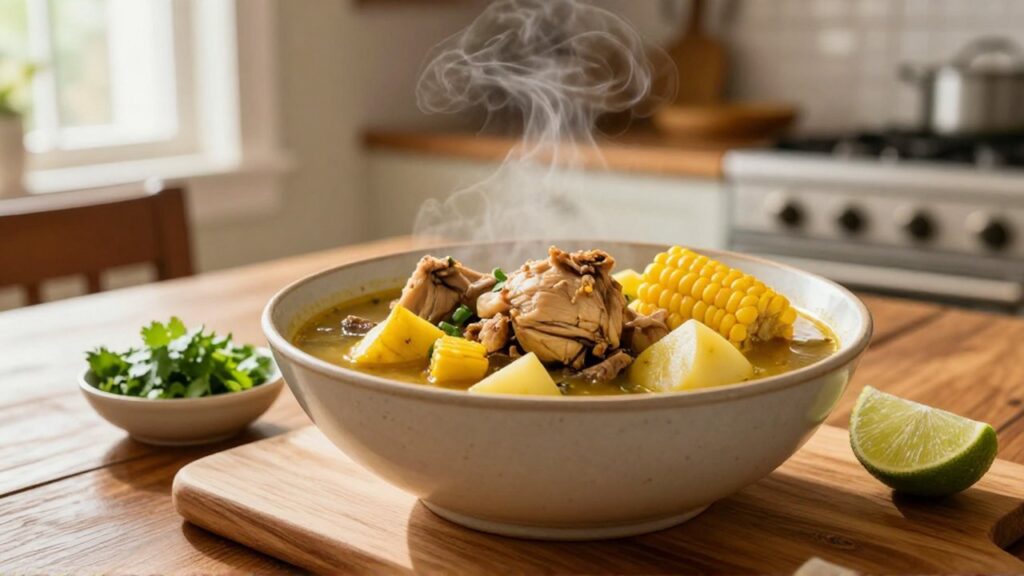
Sancocho de pollo is a hearty, soul-warming Colombian chicken soup that serves as a cornerstone of family gatherings and Sunday lunches across Colombia. The word sancocho refers to a thick, rustic stew that is much more than a simple broth; it is a substantial meal in a bowl, characterized by its abundance of root vegetables, corn, and protein. While many Latin American cultures have their own versions of stews, the Colombian sancocho is distinct for its specific combination of textures and the use of starchy ingredients that create a naturally thickened base.
For a home cook in the United States, sancocho de pollo is an excellent dish to master because it utilizes ingredients that are staples in most American supermarkets, such as chicken, potatoes, onions, and corn. The beauty of this recipe lies in its "one-pot" nature and its ability to feed a crowd. Instead of serving a soup alongside a main course, the sancocho itself is the main event, typically accompanied by a side of white rice and slices of ripe avocado. This guide will walk you through the essential steps to building deep flavors through traditional simmering techniques and how to balance the starchiness of the plantains and tubers to achieve a perfect, comforting consistency.
Essential Ingredients and Substitutions
To achieve an authentic flavor profile, the selection of vegetables is crucial. The structure of a Colombian sancocho relies on the interplay between different starches. You will need chicken, which can be bone-in pieces to ensure a richer broth, and a variety of vegetables that release starch as they cook.
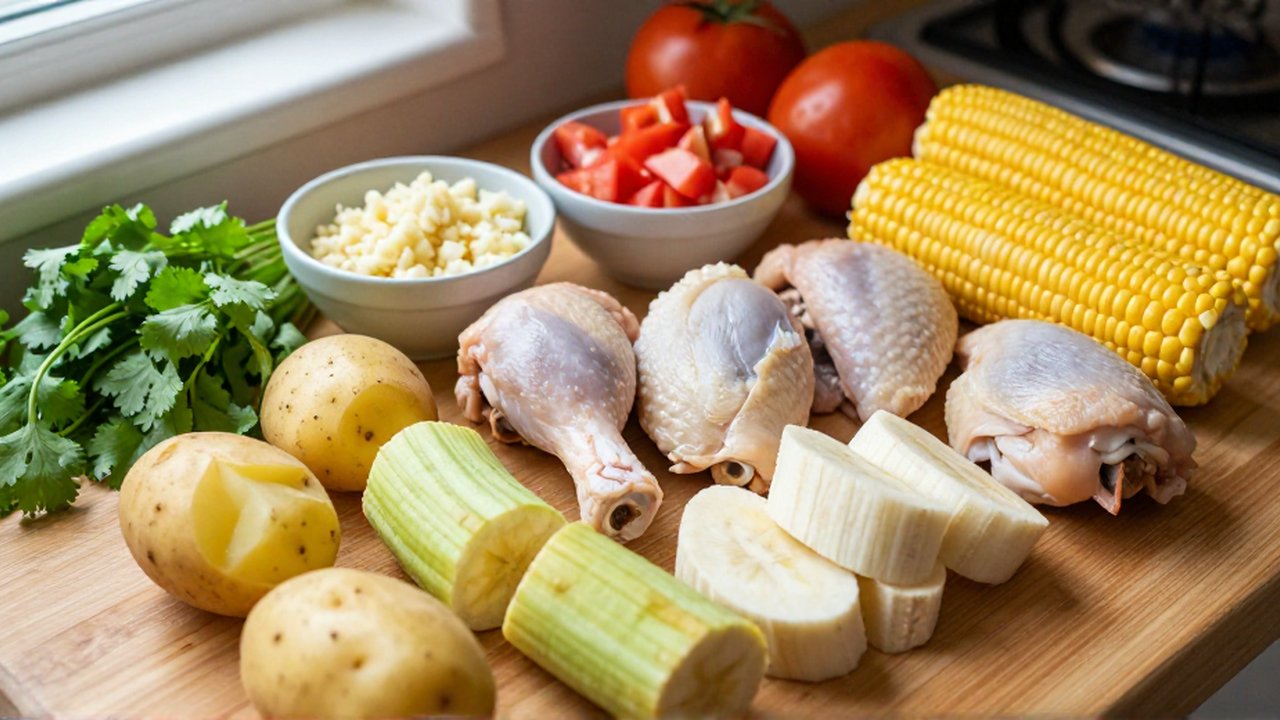
The traditional ingredients for this recipe include:
- 3 pounds (1.36 kg) chicken pieces, preferably bone-in, skin-on thighs and drumsticks for maximum flavor.
- 2 large green plantains (unripe), peeled and cut into thick chunks.
- 3 medium Yukon Gold or Russet potatoes, peeled and quartered.
- 2 ears of fresh corn, husks removed, cut into 2-inch rounds.
- 1 large yuca (cassava) root, peeled and cut into 3-inch chunks. If unavailable, you may substitute with extra potatoes or even parsnips, though the texture will differ.
- 1 large white onion, finely chopped.
- 3 cloves of garlic, minced.
- 2 medium tomatoes, diced.
- 1 bunch of fresh cilantro, stems finely chopped and leaves kept for garnish.
- 2 tablespoons of vegetable oil.
- 6 to 8 cups of water or low-sodium chicken broth.
- Salt and black pepper to taste.
- Optional: 1 teaspoon of ground achiote (annatto) or a pinch of turmeric to add a golden hue to the broth.
If you cannot find yuca at your local supermarket, look in the international or frozen vegetable section; many US grocery chains now carry vacuum-sealed, peeled yuca. If that is still unavailable, increasing the amount of potato will provide a similar caloric density, though you will miss the unique, slightly chewy texture that yuca contributes to the stew.
Step-by-Step Cooking Instructions
The secret to a great sancocho is the order in which ingredients are added. Because different vegetables have different cooking times and starch release rates, adding everything at once can result in some pieces being mushy while others remain hard.
- Prepare the Flavor Base: In a large stockpot or Dutch oven, heat the vegetable oil over medium heat. Add the chopped onion, garlic, and diced tomatoes. Sauté these for about 5 to 7 minutes until the onions are translucent and the tomatoes have begun to break down into a soft paste. This "sofrito" style start builds the foundation of the soup.
- Sear the Chicken: Add the chicken pieces to the pot with the vegetables. Let the chicken cook for about 5 minutes, turning occasionally, to lightly brown the skin. This step helps lock in moisture and develops flavor through the Maillard reaction. Season the chicken generously with salt and pepper at this stage.
- Simmer the Broth: Pour in the water or chicken broth. If you are using achiote or turmeric for color, add it now. Bring the liquid to a boil, then immediately reduce the heat to low. Cover the pot partially and let it simmer gently for about 20 minutes.
- Add the Starchy Components: Once the chicken has had a head start, add the corn rounds and the green plantain chunks. Plantains take a significant amount of time to soften and help thicken the broth. Let this simmer for another 15 minutes.
- Add the Final Vegetables: Add the yuca and the potatoes to the pot. Continue to simmer, covered, for another 20 to 30 minutes, or until all the vegetables are fork-tender and the chicken is fully cooked through. A good indicator of readiness is when the potato and yuca start to slightly break down, creating a velvety texture in the liquid.
- The Finishing Touch: Taste the broth and adjust the salt and pepper. Just before serving, stir in the finely chopped cilantro stems. This adds a bright, herbal note that cuts through the heaviness of the starches.
Ensure that the chicken reaches an internal temperature of 165°F (74°C) to ensure food safety. Once cooked, remove the pot from the heat.
Customizing and Serving Your Sancocho

While the recipe provided is a classic standard, sancocho is a dish that lives in the hands of the cook. In different regions of Colombia, you might find variations in the specific vegetables used or the thickness of the broth. For instance, some families prefer a much thicker consistency by mashing a few pieces of the cooked potato or yuca back into the broth at the end. This technique creates a more cohesive, stew-like experience.
To serve, ladle a generous amount of broth, chicken, and a variety of vegetables into deep bowls. It is highly recommended to garnish each bowl with a fresh sprinkle of cilantro leaves. For a complete Colombian experience, serve the sancocho alongside a side of steaming white rice. This allows you to soak up the flavorful broth with the rice. A few slices of ripe avocado on the side provide a creamy, cooling contrast to the warm, savory stew. If you prefer a bit of acidity to brighten the heavy flavors, a squeeze of fresh lime juice over your individual bowl can work wonders.
Frequently Asked Questions
Can I make this in a slow cooker?
Yes, you can adapt this for a slow cooker to make it a "set and forget" meal. However, you should still sauté the onions, garlic, and tomatoes in a pan first to develop flavor before adding them to the crockpot. Place the chicken, corn, plantains, and denser vegetables (yuca/potato) in the slow cooker with the liquids. Cook on low for 6 to 8 hours or high for 4 hours. Be aware that vegetables tend to soften more in a slow cooker, so you may want to add the potatoes and yuca halfway through the cooking time to prevent them from disintegrating.

How should I store and reheat leftovers?
Sancocho de pollo is one of those rare dishes that often tastes even better the next day as the flavors continue to meld. Store any leftovers in an airtight container in the refrigerator for up to 3 to 4 days. When reheating, do so on the stovetop over medium heat. Because the starches (potato, yuca, and plantain) will continue to absorb liquid as they sit, you may find the soup has become quite thick. Simply add a splash of water or chicken broth when reheating to bring it back to your desired consistency.
Why is my plantain/yuca not softening?
If your vegetables are still hard after the recommended simmering time, they may simply need more time, or your heat might be too low. Ensure you are maintaining a gentle simmer; if the liquid is barely moving, the heat isn't high enough to cook the dense starches effectively. Also, ensure the plantains are truly green (unripe). If you accidentally use ripe plantains for the base of the soup, they will turn sweet and mushy very quickly, which changes the intended profile of the dish.
Leave a Reply
Related posts