
Homemade Salvadoran Curtido: Pickled Cabbage Slaw Recipe

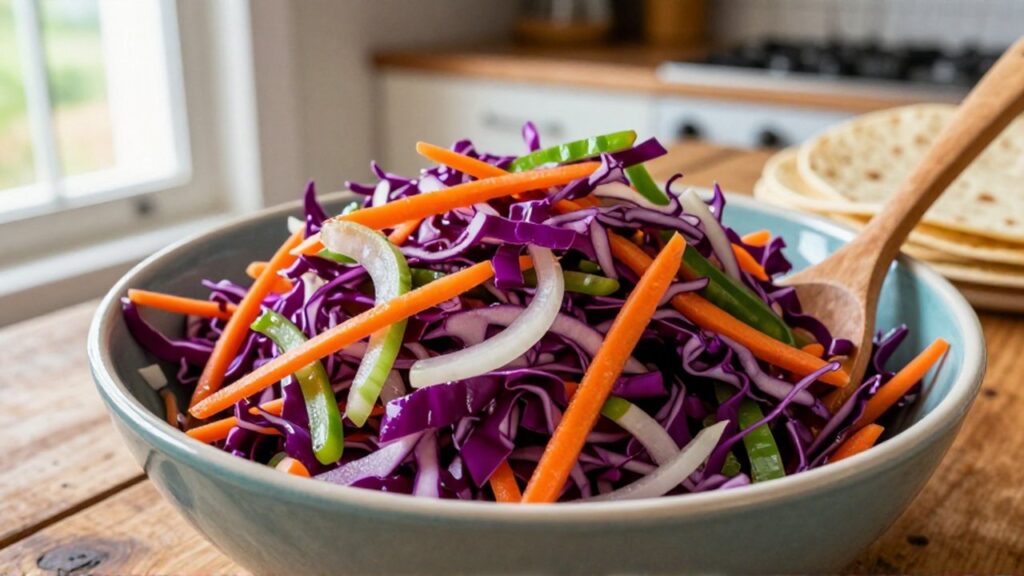
If you have ever enjoyed authentic Salvadoran pupusas—thick, handmade corn tortillas stuffed with cheese, beans, or meat—you have likely encountered a bright, crunchy, and acidic cabbage slaw served alongside them. This essential condiment is known as curtido, a traditional Salvadoran pickled cabbage relish that provides a necessary textural and flavor contrast to the rich, warm fillings of the pupusas. While often served as part of a meal, curtido is a versatile side dish that brings a much-needed brightness to many heavy or savory foods.
For the home cook in the United States, making curtido is a rewarding way to introduce the vibrant flavors of Central America into a standard rotation of sides. Unlike many Western slaws that rely on creamy, mayonnaise-based dressings, curtido is a vinegar-based pickle. It is shelf-stable in the refrigerator for quite some time, making it an excellent "make-ahead" component for meal planning. This guide will walk you through the traditional method of preparing this slaw, ensuring you achieve that perfect balance of crunch, acidity, and mild heat using ingredients easily found in any American grocery store.
The Essential Ingredients of Curtido
The beauty of curtido lies in its simplicity. The recipe relies on a few high-quality pantry staples and fresh vegetables to create a complex flavor profile. The foundation of the dish is green cabbage, which provides the structure and the crunch. While red cabbage can be used for a pop of color, green cabbage is the traditional choice for its milder flavor and superior ability to hold its texture after being submerged in brine.
To achieve the characteristic tang, high-quality vinegar is required. While white distilled vinegar is functional, many cooks prefer apple cider vinegar for a slightly fruitier undertone that complements the vegetables. The seasoning comes from dried Mexican oregano, which offers an earthy, citrusy aroma, and red pepper flakes to provide a gentle heat. In many Salvadoran households, julienned carrots are added to provide a hint of sweetness and a beautiful color contrast. If you cannot find fresh carrots, matchstick carrots from the produce section work perfectly.
One common variation involves the use of onions. While red onions provide a beautiful hue, white or yellow onions are frequently used for a sharper bite. To ensure the onions do not overpower the cabbage, it is helpful to slice them very thinly. Finally, salt is not just for seasoning; it is a functional ingredient that helps draw out the moisture from the cabbage, allowing the brine to penetrate the vegetables more effectively.
Ingredients List
This recipe yields approximately 4 to 5 cups of curtido, enough to serve a family or to be used as a topping for several meals.

- 1 medium head of green cabbage (about 2 pounds or 32 ounces), finely shredded
- 2 large carrots, peeled and cut into thin matchsticks
- 1 medium white onion, very thinly sliced
- 1/2 cup apple cider vinegar
- 1/4 cup white distilled vinegar
- 1 teaspoon salt (adjust to taste)
- 1/2 teaspoon dried Mexican oregano
- 1/4 to 1/2 teaspoon red pepper flakes (depending on your heat preference)
- 1/2 cup warm water (to dilute the brine slightly)
Step-by-Step Preparation Guide
Creating a great curtido is more about technique than complex cooking. The goal is to soften the cabbage just enough so that it is no longer "raw-tasting" but remains distinctly crunchy.
- Prepare the Vegetables: Begin by thoroughly washing the cabbage, carrots, and onion under cold running water. Using a sharp knife or a mandoline slicer, shred the cabbage into very thin strips. If using a knife, ensure the slices are consistent so they pickle at the same rate. Cut the carrots into matchsticks (julienne) and thinly slice the onion. Place all the vegetables into a large mixing bowl.
- Salt and Wilt: Sprinkle the salt over the cabbage, carrot, and onion mixture. Use your hands (wear gloves if you have sensitive skin) to massage the salt into the vegetables for about 2 to 3 minutes. You will notice the cabbage begins to release liquid and soften slightly. This process, known as "wilting," is crucial for the texture. Let the mixture sit for about 10 minutes.
- Create the Brine: In a separate small bowl or measuring cup, whisk together the apple cider vinegar, white distilled vinegar, warm water, dried oregano, and red pepper flakes. Ensure the oregano is well-distributed so you don't get large clumps in the final product.
- Combine and Submerge: Drain off any excess liquid that the cabbage released during the salting process, but do not rinse the vegetables. Pour the vinegar mixture over the cabbage and vegetables. Use a spoon to toss everything together until every piece is well-coated.
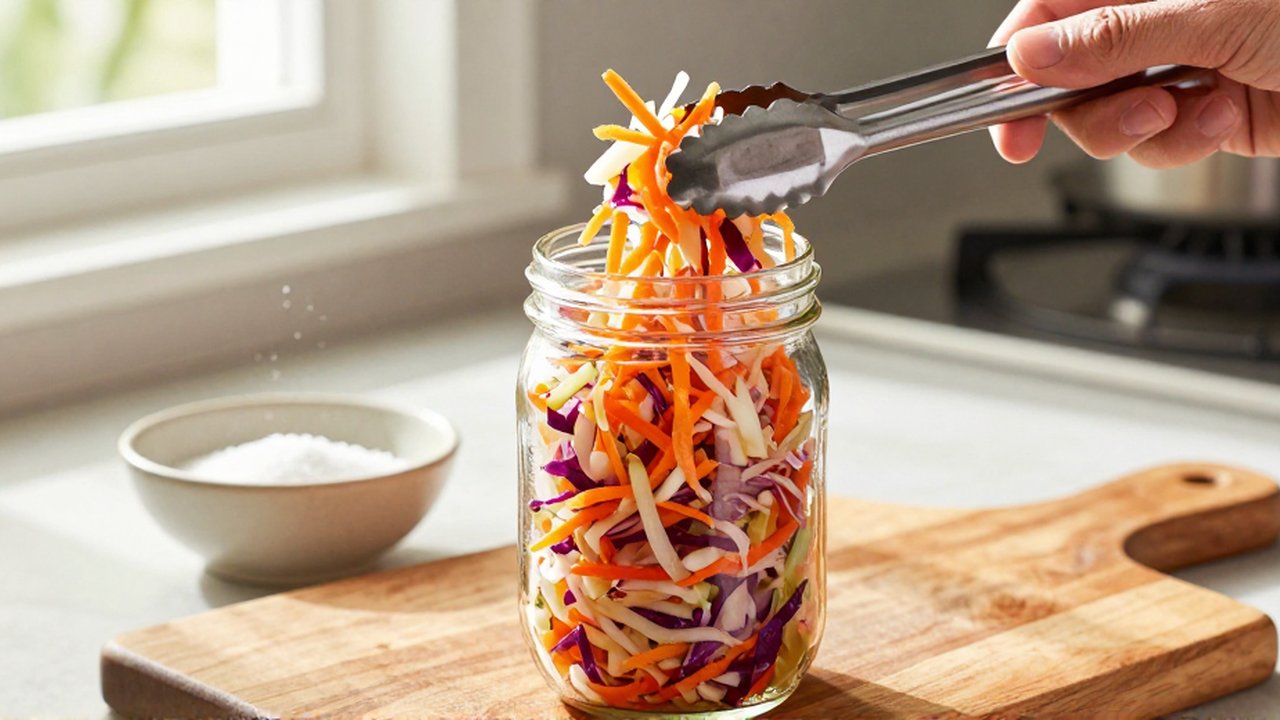
- Packing the Jar: Transfer the mixture into a clean glass jar, such as a mason jar. Press the vegetables down firmly with a spoon to remove air pockets. The vegetables should be mostly submerged in the liquid. If the liquid does not cover the vegetables completely, you may need to add a little more vinegar or water to ensure they stay submerged, which prevents spoilage.
- The Fermentation Period: Seal the jar and place it in the refrigerator. While you can eat it immediately, the flavors will significantly improve if you allow it to sit for at least 4 to 24 hours before serving. This resting period allows the acidity to mellow and the spices to infuse the cabbage.
Tips for Success and Variations
To achieve professional results at home, pay close attention to the thickness of your cuts. If the cabbage is sliced too thickly, it will remain too hard and may not absorb the vinegar properly. If it is sliced too thin, it can become mushy. Aim for a thickness similar to a standard coleslaw, but slightly finer.
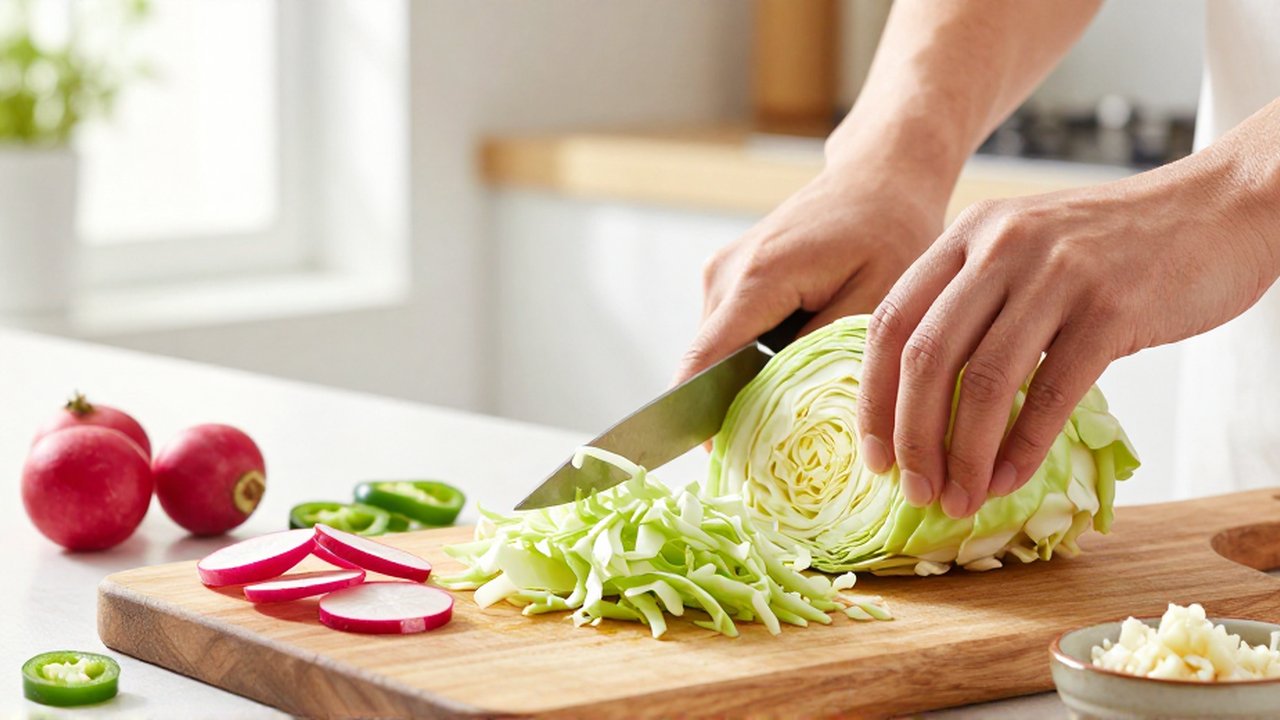
Variations are highly encouraged depending on your personal palate. Some cooks like to add sliced jalapeños for a more aggressive heat, while others might add a pinch of sugar to the brine to balance the acidity if the vinegar used is particularly sharp. If you want to experiment with different flavors, you can add a small amount of garlic minced very finely into the brine.
For those looking for a twist on the traditional texture, some families include thinly sliced radishes. Radishes add a peppery bite and a lovely pink color that makes the dish very visually appealing on a platter of pupusas or even as a topping for street tacos.
Storage and Food Safety
Because curtido is a pickled product, it has a much longer shelf life than a standard salad. Store the mixture in an airtight glass container in the refrigerator. It will stay fresh and maintain its crunch for up to two weeks, though the flavor will continue to deepen over time.
When serving, always use a clean utensil to scoop the curtido out of the jar. This prevents introducing bacteria or food particles from other dishes into the brine, which helps maintain the freshness and prevents premature spoilage. Keep the jar refrigerated at all times; do not leave it sitting at room temperature for extended periods.
If you notice any unusual odors, cloudiness that looks slimy rather than just slightly tinted by the vegetables, or visible mold on the surface, discard the batch immediately. While the acidity of the vinegar helps preserve the vegetables, proper hygiene and cold storage are essential for safe consumption.
Frequently Asked Questions
Can I use white vinegar instead of apple cider vinegar?
Yes, you can use white distilled vinegar for the entire liquid portion. Using only white vinegar will result in a sharper, cleaner acid profile. Apple cider vinegar adds a subtle sweetness and complexity that many find more balanced, but it is not strictly mandatory.
Is it possible to make this without salt?
It is not recommended. Salt is a vital component in the preparation process. It helps draw out the moisture from the cabbage, which is necessary to create the correct texture and ensures the brine can properly penetrate the vegetable fibers. Without salt, the cabbage may stay too rigid.
How do I prevent the cabbage from becoming too soft?
The key is to avoid over-salting and over-massaging. While you want to wilt the cabbage slightly, you do not want to crush it. Additionally, ensuring the vegetables are kept cold in the refrigerator and are fully submerged in the brine will help maintain their structural integrity.
Can I use this as a topping for things other than pupusas?
Absolutely. Curtido is an excellent accompaniment to many dishes. Try it on top of grilled chicken, as a crunchy topping for tacos, alongside roasted pork (carnitas), or even mixed into a grain bowl for a burst of acidity and texture.
Leave a Reply
Related posts