
Cuban Yuca con Mojo: Garlic and Citrus Sauce Recipe

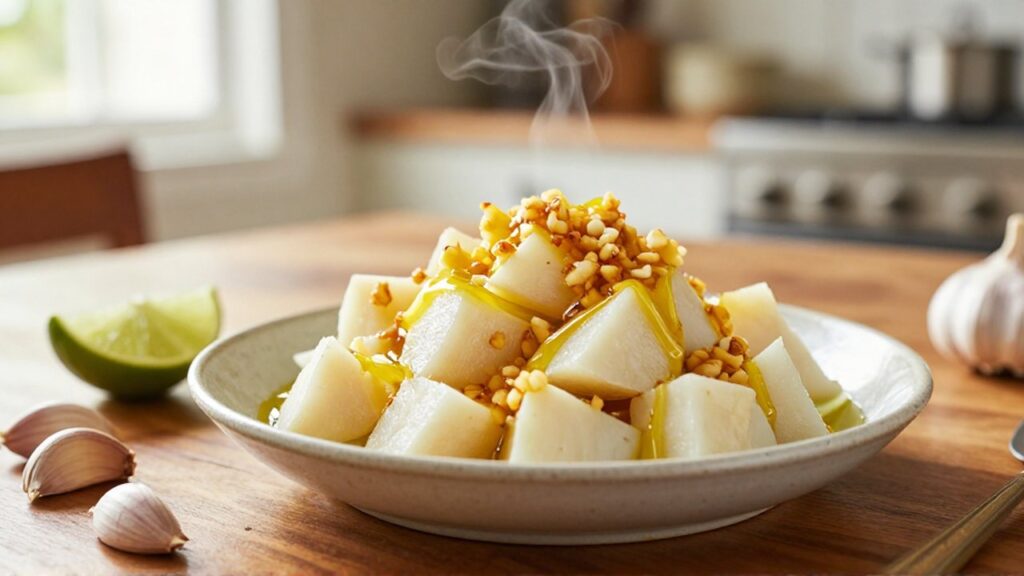
Yuca con Mojo is a quintessential Cuban side dish consisting of tender boiled cassava (yuca) smothered in a vibrant, zesty garlic and citrus sauce known as mojo. In the Cuban culinary tradition, this dish serves as a refreshing yet robust accompaniment to grilled meats, such as lechon asado (roast pork) or fried fish. For the American home cook, yuca con mojo offers an excellent opportunity to explore tropical starch textures that differ significantly from the common potato. While a potato is fluffy and light, yuca is dense, creamy, and slightly starchy, making it an ideal vessel for absorbing heavy, acidic dressings.
This recipe provides a reliable roadmap for achieving the perfect balance between the soft, well-cooked root vegetable and the sharp, aromatic punch of the mojo sauce. Because yuca can sometimes be difficult to find—often tucked away in the frozen section or the international aisle of US supermarkets—this guide will help you navigate selection and preparation. By the end of this article, you will be able to transform a simple tropical root into a centerpiece side dish that brings the bright, citrusy essence of the Caribbean directly to your dining table.
Selecting and Preparing the Yuca
The success of this dish begins with the quality of the yuca. In many US grocery stores, you will encounter yuca in two forms: fresh, whole roots or pre-packaged, frozen chunks. If you find fresh yuca, look for roots that are firm to the touch, heavy for their size, and have a smooth, brownish bark. Avoid any roots that feel soft, pithy, or show signs of deep bruising. If you are shopping at a local Hispanic market, fresh roots are common; however, for most mainstream supermarkets, the frozen peeled and chopped yuca is an outstanding and practical choice. Using frozen yuca saves significant time, as peeling and chopping fresh yuca can be a cumbersome task involving a sharp knife to remove the thick, woody skin.
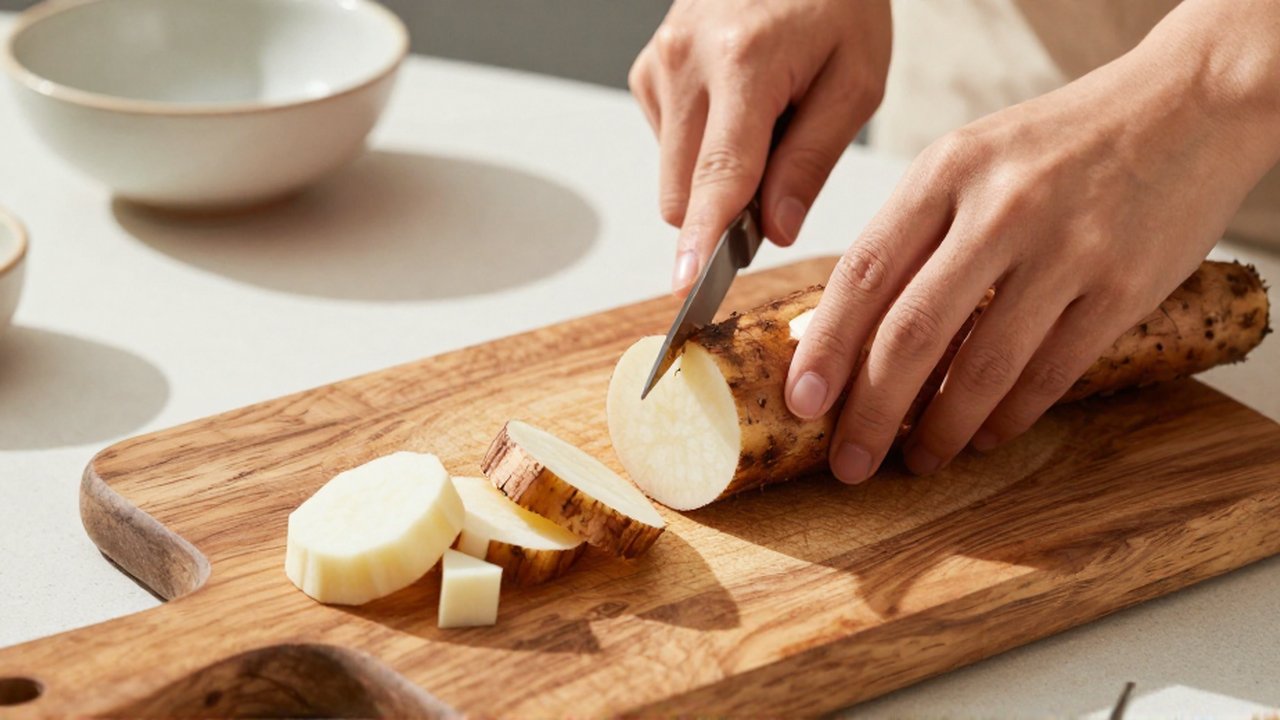
Before boiling, it is essential to inspect the yuca for the central woody core. Even when yuca is cooked until tender, a hard, fibrous string runs through the center of the root. Once the yuca is boiled and tender, you must slice the pieces lengthwise and carefully pull out this central vein. If you are using frozen chunks, they are often pre-cut, but you should still check for any hard, woody bits before serving. To ensure the best texture, do not overcook the yuca to the point of falling apart; you want it to be fork-tender but still able to hold its shape when tossed in the mojo sauce.
The Essence of the Mojo Sauce
The heart of this dish lies in the mojo, a sauce that relies on the marriage of acidity, fat, and aromatics. In its most traditional form, the sauce is built upon a base of high-quality olive oil and fresh citrus juice. While many variations exist, the most common version uses bitter orange (naranja agria), which provides a unique, floral acidity that is different from a standard orange or lemon. Since bitter oranges can be difficult to find in standard US supermarkets, a practical substitution is to create a blend of equal parts fresh orange juice and lime juice. This combination mimics the complexity and brightness of the traditional citrus profile.
Garlic is not merely an ingredient in mojo; it is a foundational element. The garlic should be crushed or finely minced to allow its oils to infuse into the olive oil. A common mistake is to use jarred, pre-minced garlic, which often carries a vinegar-like aftertaste that can overwhelm the delicate citrus. Instead, use fresh cloves to ensure a sweet, pungent aroma. Some regional variations also include finely diced onions or even a hint of cumin, but for a classic Cuban preparation, the focus remains strictly on the interplay between garlic, citrus, and oil.
Ingredients and Instructions
The following recipe is scaled to serve approximately 4 to 6 people as a side dish.
Ingredients
- 2 pounds (approx. 900g) yuca, peeled and cut into 2-inch chunks (fresh or frozen)
- 1 tablespoon salt, plus more for the boiling water
- 1/2 cup extra-virgin olive oil
- 1/2 cup fresh citrus juice (use a 50/50 mix of orange juice and lime juice)
- 6 to 8 large garlic cloves, peeled and smashed or finely minced
- 1/2 teaspoon kosher salt (adjust to taste)
- 1/4 teaspoon freshly cracked black pepper
- Optional: 1/2 red bell pepper, finely diced for color and texture
- Optional: 1/4 cup fresh cilantro, chopped, for garnish
Instructions
- Boil the Yuca: Fill a large pot with enough water to cover the yuca by at least two inches. Add a generous tablespoon of salt to the water. Bring the water to a rolling boil over high heat. Add the yuca chunks and reduce the heat to medium. Cook for 20 to 30 minutes. If using frozen yuca, check for tenderness after 15 minutes. The yuca is done when it is tender enough to be easily pierced with a fork but still holds its structure.
- Drain and Prep: Drain the yuca in a colander and let it steam for a minute to allow excess moisture to evaporate. While the yuca is still warm, slice the larger chunks in half or quarters and remove the central woody core. Place the prepared yuca in a large serving bowl.
- Prepare the Mojo: In a small saucepan, combine the olive oil and the minced garlic over low heat. Heat the oil gently for about 3 to 5 minutes. You want the garlic to become fragrant and slightly golden, but do not let it brown or burn, as burnt garlic will make the sauce bitter.
- Combine Citrus and Oil: Remove the saucepan from the heat and stir in the citrus juice mixture, the salt, and the black pepper. If you are using diced red bell pepper, you may add it to the warm oil to slightly soften it.
- Toss and Serve: Pour the warm mojo sauce over the warm yuca chunks. Gently toss the yuca to ensure every piece is well-coated. Let the dish sit for 5 to 10 minutes before serving; this allows the yuca to absorb the flavors of the sauce. Garnish with fresh cilantro if desired.
Tips for Success and Variations
To achieve a restaurant-quality result, temperature management is key. Always pour the mojo sauce over the yuca while both the sauce and the yuca are still warm. This temperature differential helps the starch of the yuca soak up the citrus and oil, rather than having the sauce simply sit on the surface. If the yuca is cold, the oil in the mojo may congeal slightly upon contact, resulting in a greasy mouthfeel rather than a creamy, infused texture.
For those who enjoy a bit of heat, a common variation is to add sliced ají dulce (sweet Cuban peppers) or a small amount of crushed red pepper flakes to the oil when infusing the garlic. If you prefer a more rustic presentation, you can leave the garlic cloves whole and smashed rather than minced, which allows guests to enjoy the softened, mellowed garlic bits alongside the yuca.
Frequently Asked Questions

Can I make the mojo sauce in advance?
Yes, you can prepare the mojo sauce up to two days in advance. Store it in an airtight container in the refrigerator. However, because olive oil solidifies when cold, you must reheat the sauce gently on the stove before pouring it over the yuca. For the best flavor and texture, always serve it warm.
How should I store leftover yuca con mojo?
Store any leftovers in an airtight container in the refrigerator for up to 3 days. When reheating, it is best to do so on the stovetop over low heat to prevent the yuca from becoming overly mushy. If the sauce has thickened significantly in the fridge, add a teaspoon of water or extra citrus juice when reheating to loosen the texture.
Is there a way to make this dish if I cannot find yuca?
While yuca is the star of the dish, if you absolutely cannot find it, boiled Yukon Gold potatoes can serve as a substitute. While the flavor profile will change, the garlic and citrus mojo sauce is delicious when poured over tender, boiled potatoes. However, keep in mind that the texture will be much softer and less substantial than traditional yuca.
Leave a Reply
Related posts