
Simple Cornmeal Tamal Recipe for a Quick Morning Meal

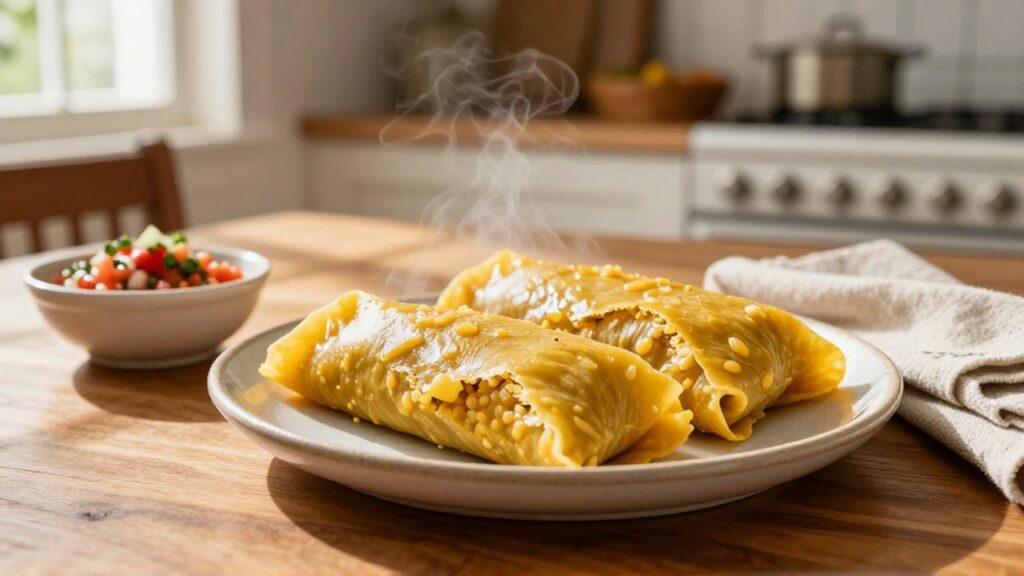
Tamales are a cornerstone of Latin American cuisine, traditionally served during festive holidays or large family gatherings. At their core, tamales are seasoned dough made from corn, which is then wrapped in corn husks or banana leaves and steamed until firm. While traditional versions can take hours of labor—often involving the painstaking process of making masa from scratch using dried corn nixtamalized with lime—this recipe focuses on a streamlined version designed for the modern American kitchen. By using high-quality pre-made cornmeal or masa harina, you can enjoy the comforting, savory flavors of a traditional breakfast without spending an entire weekend in the kitchen.
For a home cook in the United States, the beauty of a cornmeal-based tamal lies in its versatility and its ability to be prepared in advance. This recipe provides a foundation for a quick morning meal: a handheld, portable, and deeply satisfying breakfast that can be made on a Sunday and reheated throughout the week. Whether you are looking to introduce your family to Latin American flavors or simply want a hearty, warm start to your day, this simplified approach makes the traditionally complex dish accessible and practical.
Understanding the Ingredients and Substitutions
To achieve the right texture, the most important ingredient is the corn component. In many Latin American households, the dough used is masa, which is a fresh, moist dough made from nixtamalized corn. In US supermarkets, the easiest way to replicate this is by purchasing masa harina, which is finely ground, dried corn flour that has already undergone the nixtamalization process. This ingredient is widely available in the international aisle of most large grocery chains. If you cannot find masa harina, you can use fine cornmeal, though the texture will be more granular. For the smoothest results, always sift any dry cornmeal before using it.
The fat content is what makes a tamal tender rather than dense. Traditional recipes often use lard (manteca), which provides a distinct richness and a specific crumbly texture. If you prefer not to use lard, high-quality unsalted butter or a neutral vegetable oil can be substituted. If using butter, ensure it is at room temperature to allow for proper aeration when mixing. The liquid component—usually chicken or vegetable broth—is vital for hydrating the corn flour and creating a spreadable paste. Using a flavorful broth instead of water significantly enhances the depth of the dough.
For the filling, this recipe keeps things simple to ensure a quick preparation. Common breakfast additions include shredded chicken, cheese, or even bits of cooked chorizo. If you are looking for a vegetarian option, a mixture of sautéed peppers, onions, and crumbled cheese works beautifully. If you cannot find corn husks (hojas de tamal) in your local store, you can use heavy-duty aluminum foil as a substitute for steaming. While it won't provide the subtle corn flavor that husks offer, foil is an excellent vessel for trapping steam and ensuring the tamal cooks through evenly.
Ingredients for Simple Cornmeal Tamales
This recipe yields approximately 10 to 12 small tamales, depending on the size of your husks and the amount of filling used.

For the Masa (Dough):
- 2 cups (approx. 16 oz) masa harina or fine cornmeal
- 1/2 cup (1 stick) unsalted butter, softened at room temperature
- 1 1/2 cups (12 oz) chicken or vegetable broth, warm
- 1 teaspoon salt
- 1/2 teaspoon baking powder
- 1/4 teaspoon garlic powder
For the Filling and Assembly:
- 1 cup (4 oz) shredded cooked chicken or crumbled Monterey Jack cheese
- 1/2 cup (4 oz) cooked chorizo or diced bell peppers (optional)
- 12 dried corn husks (soaked in hot water for at least 30 minutes and drained)
- Extra salt to taste
Step-by-Step Preparation Instructions
Preparation begins with the corn husks. Before you touch the dough, place your dried corn husks in a large bowl and cover them with very hot water. Let them soak for at least 30 minutes. This softens them, making them pliable enough to fold without cracking. Once they are soft, drain them and lay them out on clean kitchen towels.
1. Preparing the Masa:
In a large mixing bowl, beat the softened butter with the salt and garlic powder until the mixture is creamy. Gradually add the masa harina and the baking powder. Begin adding the warm broth one half-cup at a time, mixing constantly with a sturdy spoon or your hands. The goal is to achieve a consistency that is similar to thick peanut butter or wet sand; it should be moist enough to hold its shape when pressed, but not so wet that it runs off a spoon. If the dough feels too dry or crumbly, add an extra tablespoon of broth.
2. Assembling the Tamales:
Take one softened corn husk and lay it flat on a surface, ensuring the smooth side (the side without the central rib) is facing up. Place about 2 to 3 tablespoons of the masa in the center of the husk, spreading it into a thin, even rectangle about 4 inches long. In the center of that masa rectangle, add a small amount of your chosen filling—whether it is cheese, chicken, or peppers. Be careful not to overfill, as this makes the tamal difficult to seal and prone to bursting during steaming.
3. Folding and Sealing:
Fold the sides of the husk inward over the filling, then fold the bottom of the husk upward. You will have an open top, which is normal. The tamal should look like a small, wrapped package. Repeat this process with the remaining dough and filling.
4. Steaming the Tamales:
Set up a steamer in a large pot. Fill the pot with about 2 inches of water, ensuring the water level is below the steamer basket. Once the water reaches a boil, place the tamales upright in the steamer basket, ideally with the open ends facing upward. This prevents water from seeping into the dough. Cover the pot tightly with a lid. Reduce the heat to medium-low to maintain a steady, gentle steam. Steam the tamales for 45 to 60 minutes.
5. Testing for Doneness:
To check if they are ready, remove the lid carefully (watch for hot steam) and lift one tamal out with tongs. Let it cool for a moment. If the masa pulls away easily from the husk and feels firm and cooked through, they are done. If the dough feels mushy or sticks heavily to the husk, steam for an additional 15 minutes.
Serving and Storage Guidance
When the tamales are finished, do not eat them immediately. Let them rest for at least 10 to 15 minutes. This resting period allows the starches to set, which makes the texture much more pleasant and easier to unwrap. Serve them warm, perhaps with a side of salsa or a sprinkle of extra cheese.
For storage, these tamales are excellent for meal prepping. Once completely cooled, place them in an airtight container or a reusable freezer bag. They will stay fresh in the refrigerator for up to 4 days. For longer storage, they can be frozen for up to 3 months. When you are ready to eat a reheated tamal, the best method is to steam them again for 10-15 minutes or microwave them wrapped in a damp paper towel for 1-2 minutes. This helps prevent the cornmeal from drying out and becoming hard.
Frequently Asked Questions
Can I make these without a steamer?
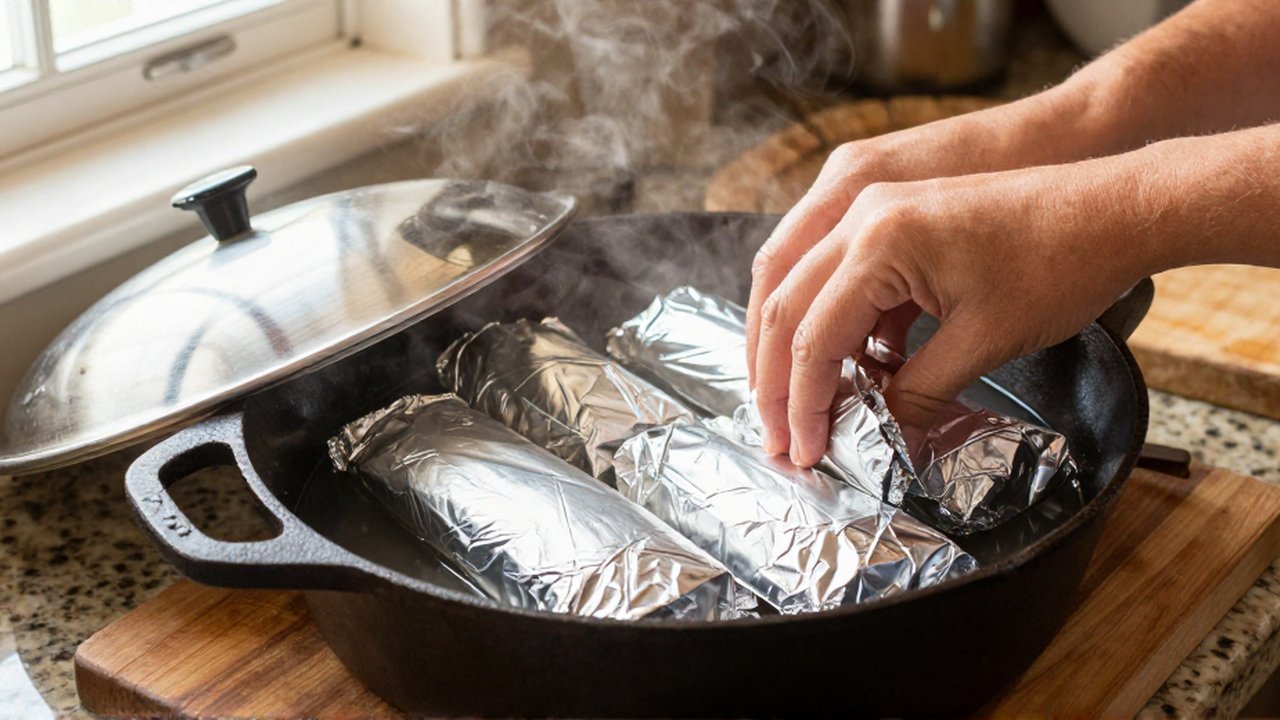
Yes. If you do not have a traditional steamer basket, you can use a large skillet with a tight-fitting lid. Add enough water to the skillet to reach halfway up the sides of your tamal "bundles" (if you wrapped them in foil) or simply use a small amount of water if you are steaming them in a bowl placed inside the skillet. Another method is to use a slow cooker on high for approximately 3 hours, ensuring there is enough liquid in the bottom of the pot to create steam.
Why is my masa too hard after cooking?
A hard or dry tamal usually indicates one of two things: either not enough liquid was added to the dough during the mixing stage, or the steam escaped during the cooking process. Ensure your pot has a very tight lid. If you find the masa is consistently too dry, try increasing the broth by one or two tablespoons in your next batch.
Can I use fresh corn instead of masa harina?
While you certainly can, it requires a significantly more complex process. Using fresh corn involves grinding the kernels, mixing them with lime (nixtamalization), and then processing the resulting paste. For a "quick morning meal," using masa harina is the most efficient and reliable method for a home cook to achieve consistent results.
Leave a Reply
Related posts