
Cornmeal Pupusas Recipe with Salvadoran Filling Guide

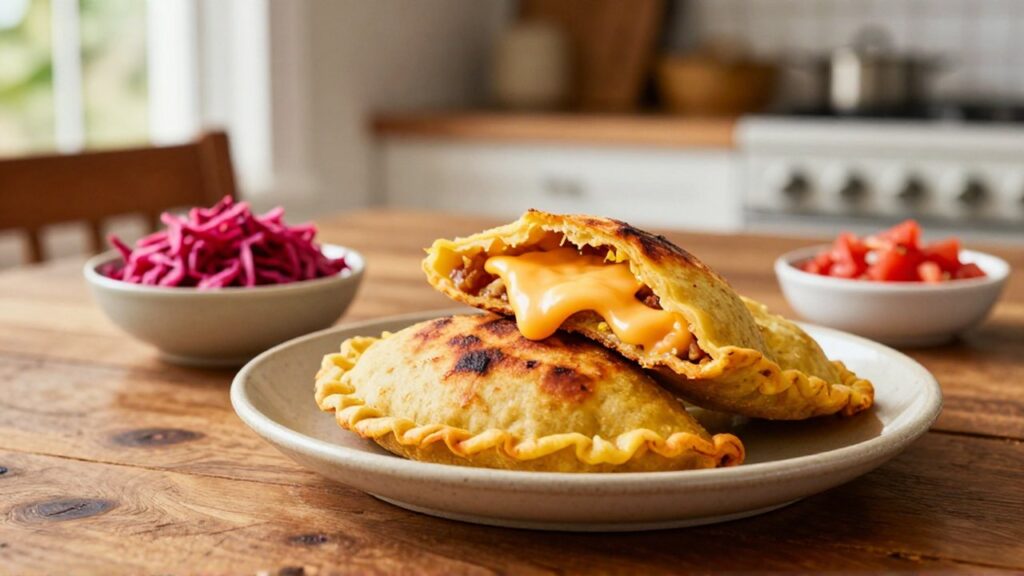
Pupusas are the quintessential breakfast and comfort food of El Salvador, consisting of thick, handmade corn tortillas that are stuffed with various savory fillings before being cooked on a hot griddle. Unlike a standard tortilla, which is thin and served alongside food, a pupusa is a self-contained meal where the filling is integrated into the masa (corn dough) during the shaping process. For the American home cook, mastering pupusas offers a way to bring a vibrant, soul-warming element of Central American cuisine to the breakfast table using ingredients that are widely accessible in most US grocery stores.
This guide focuses on creating authentic-tasting pupusas using cornmeal, which is a practical approach for those who may not have easy access to specialized nixtamalized corn flour. While traditional pupusas often use masa harina—a processed corn flour treated with lime—you can achieve a wonderful result using fine-ground yellow or white cornmeal combined with hot water to create a pliable, workable dough. In this article, we will walk through the essential components, from preparing the dough to the delicate art of stuffing the masa, and provide a foolproof method for achieving that characteristic crispy exterior and melted interior.
Understanding the Components: Masa and Fillings
The foundation of every great pupusa is the dough. In El Salvador, the texture of the dough is everything; it must be moist enough to be molded without cracking, but sturdy enough to hold a heavy filling without bursting. When working with standard cornmeal in a US kitchen, the secret lies in the temperature of the liquid used. Using very hot, near-boiling water helps to partially gelatinize the starches in the cornmeal, making the dough much more cohesive and easier to handle. If the dough feels too dry and crumbly, add a tablespoon of hot water at a time; if it feels too sticky, a light dusting of cornmeal will help.
The fillings, or rellenos, vary widely depending on regional preferences and personal taste. The most iconic version is pupusas de quesillo, which uses a mild, stretchy cheese. Since authentic Salvadoran quesillo can be difficult to find in most US supermarkets, a blend of low-moisture mozzarella and Monterey Jack is an excellent substitute due to their melting properties. Another beloved variation is revueltas, which combines cheese with refried beans and finely minced pork or chicharrón (fried pork rinds). For a vegetarian option, seasoned black beans paired with cheese offer a satisfying and nutritious breakfast.
Ingredients for Cornmeal Pupusas
This recipe makes approximately 8 to 10 medium-sized pupusas. For the best results, ensure your cheese is shredded finely so it melts quickly and evenly during the cooking process.

For the Cornmeal Dough:
- 2 cups fine-ground cornmeal (yellow or white)
- 1 ½ cups to 1 ¾ cups boiling water (adjust based on texture)
- ½ teaspoon salt
- 1 tablespoon vegetable oil (optional, helps with smoothness)
For the Classic Cheese Filling:
- 2 cups shredded cheese (a mix of Monterey Jack and Mozzarella works best)
- ½ cup crumbled Queso Fresco or Cotija cheese (for extra saltiness and texture)
For the Bean Filling (Optional):
- 1 cup canned refried black or pinto beans (ensure they are smooth)
- ¼ teaspoon garlic powder
For Serving (Traditional Accompaniments):
- ½ cup Curtido (a bright, fermented cabbage slaw)
- ½ cup mild salsa or tomato sauce
Note on Curtido: If you cannot find pre-made curtido (the traditional Salvadoran pickled cabbage slaw) in the refrigerated section of your supermarket, you can quickly make a version by shredding cabbage, carrots, and onions, then letting them sit in white vinegar, water, salt, and dried oregano for at least 30 minutes.
Step-by-Step Cooking Guide
Preparing pupusas requires a bit of patience and a steady hand, but the process is rhythmic and rewarding once you find your flow.
-
Prepare the Dough: In a large mixing bowl, combine the cornmeal and salt. Gradually pour in the boiling water while stirring with a sturdy spoon. Once the mixture has cooled enough to touch, use your hands to knead the dough. If using oil, incorporate it now. The dough should feel like soft playdough—smooth, pliable, and not sticking excessively to your fingers. Cover the bowl with a damp cloth and let it rest for 10 minutes to allow the moisture to distribute evenly.
-
Prepare the Fillings: While the dough rests, prepare your components. If using beans, mix them with garlic powder in a small bowl. Ensure your cheese is finely shredded; large chunks of cheese are more likely to break through the dough during cooking.
-
Shape and Stuff: Take a golf-ball-sized portion of dough and roll it into a smooth sphere between your palms. Flatten the sphere slightly in your hand to create a small disc. Using your thumb, press into the center of the disc to create a shallow indentation, creating a "cup" shape. Place about 1 to 2 tablespoons of your chosen filling into the center.
-
Seal the Pupusa: Carefully pull the edges of the dough up over the filling, pinching them together at the top to seal the ball completely. Once sealed, gently roll the ball between your palms and then lightly press it down to flatten it into a disc about ½ inch thick. Be gentle; if the dough is too thin, the filling will leak out onto the griddle.
-
Cook to Perfection: Heat a non-stick skillet or a cast-iron griddle over medium heat. You do not need a large amount of oil, but a light coating of oil or a small pat of butter can help achieve a golden crust. Place the pupusas on the hot surface. Cook for about 4 to 5 minutes per side. You are looking for a golden-brown color and slightly charred spots. The pupusas are done when the cheese inside is fully melted and the dough feels firm to the touch.
-
Serve: Remove the pupusas from the heat and serve immediately while hot. Top them with a spoonful of warm tomato sauce and a generous portion of curtido to provide a crunchy, acidic contrast to the rich, cheesy masa.
Troubleshooting and Success Tips
One of the most common challenges when making pupusas at home is the filling leaking out during the cooking process. This usually happens for one of two reasons: the dough was not sealed tightly enough, or the dough was rolled too thin. To prevent this, always ensure your dough is completely enclosed before you begin flattening it. If you notice a small crack forming while you are pressing the disc, use a tiny bit of extra dough to "patch" the hole before it hits the pan.
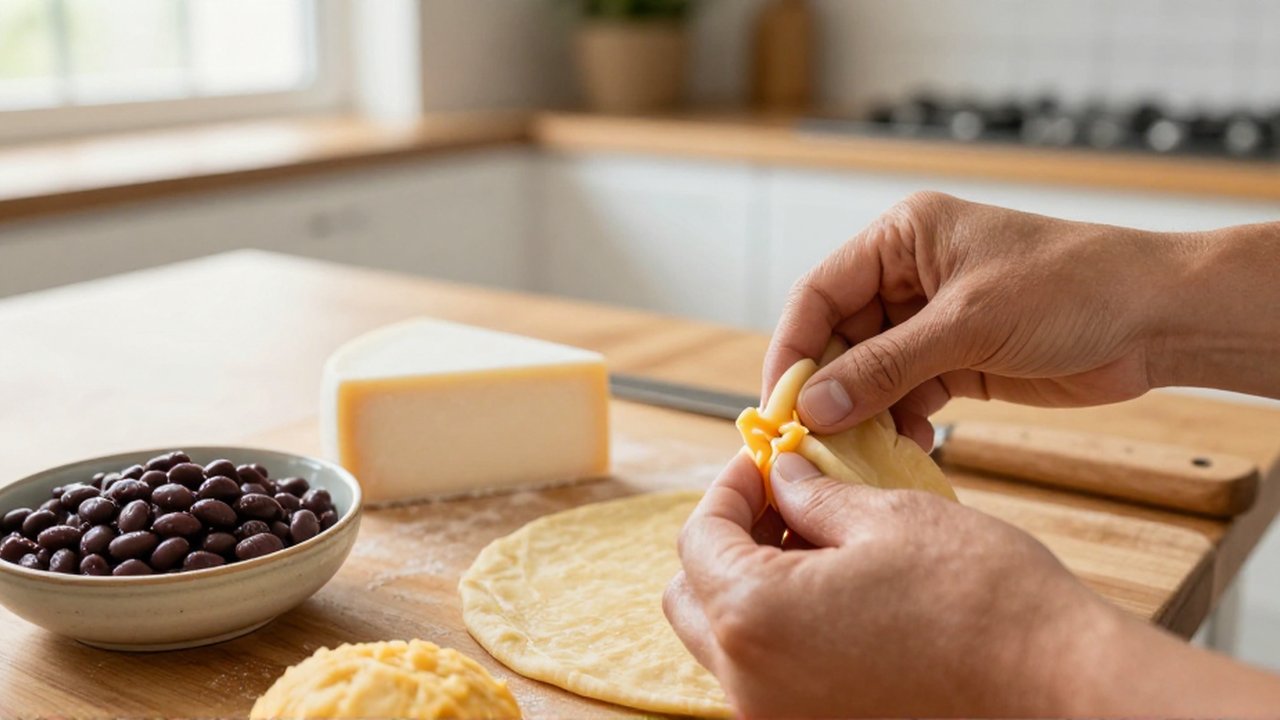
Another factor is the moisture content of the filling. If you are using refried beans, ensure they are thick and not runny. If the beans seem too watery, stir in a little more cornmeal or cook them down in a pan for a few minutes to thicken them before using them as a filling. Using cold, firm cheese can also help; if the cheese is too soft or oily before it even hits the pan, it will be harder to contain within the dough.
Frequently Asked Questions
Can I make these gluten-free?
Yes. Since the primary ingredient is cornmeal, pupusas are naturally gluten-free, provided your cornmeal and any canned beans you use are processed in a gluten-free facility. Always check labels on processed ingredients to ensure there is no cross-contamination.
What is the best way to store leftovers?
If you have leftover pupusas, store them in an airtight container in the refrigerator for up to three days. To reheat, avoid the microwave if you want to maintain the texture. Instead, reheat them in a dry skillet over medium-low heat to crisp the outside again, or in an oven or toaster oven at 350°F (175°C) until the cheese is melted.
Can I use cornmeal instead of corn flour?
In this recipe, we have adapted the method to use cornmeal. However, remember that cornmeal has a coarser texture than masa harina. The boiling water step is crucial here to ensure the cornmeal softens enough to form a cohesive dough. If your cornmeal feels particularly gritty, you may want to let the dough rest for a longer period to allow the moisture to penetrate the grains.
Leave a Reply
Related posts