
Ecuadorian Locro de Papa: Potato and Cheese Soup Guide

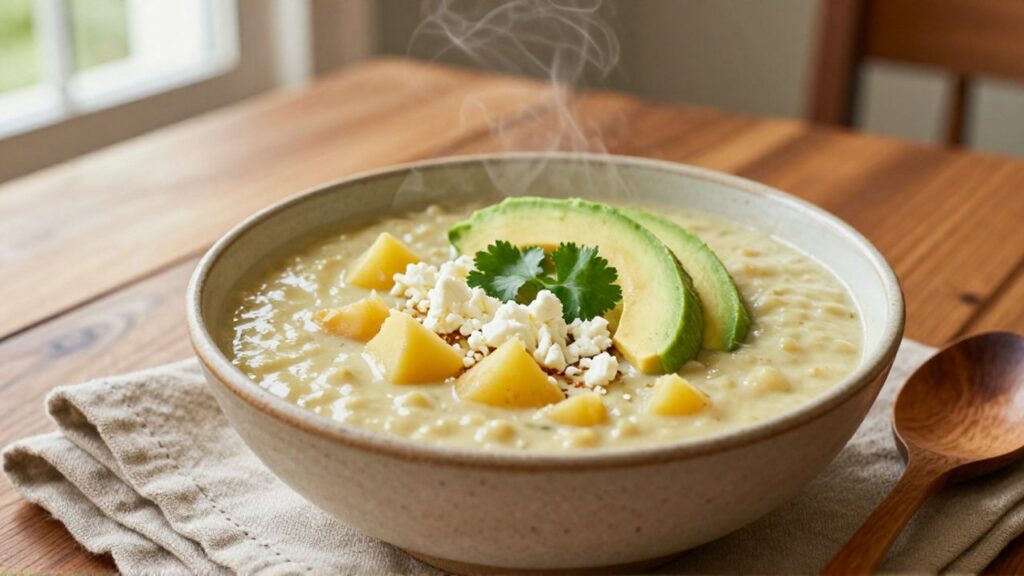
Locro de papa is a quintessential Ecuadorian soup that serves as the ultimate comfort food in Andean cuisine. "Locro" refers to a thick, creamy stew or soup, and in this specific version, the star ingredient is the potato. Unlike many Western potato soups that rely heavily on heavy cream or milk for texture, a traditional locro achieves its velvety, luxurious consistency through the natural starch of the potatoes themselves, which break down during the simmering process to create a thick emulsion.
For the American home cook, locro de papa is an incredibly approachable dish. It utilizes pantry staples—potatoes, onions, garlic, and milk—and requires minimal specialized equipment. While traditional Ecuadorian recipes often call for specific highland potato varieties with high starch content, this guide is designed to help you recreate that authentic, creamy texture using ingredients readily available in any US supermarket. This article will walk you through the essential ingredients, the technique required to achieve the perfect consistency, and how to customize the dish with traditional toppings to ensure a complete and satisfying meal.
Essential Ingredients and Substitutions
To make an authentic-tasting locro, the selection of your components is vital. The goal is to balance the earthy flavor of the potatoes with the richness of cheese and the brightness of fresh herbs. Because most US grocery stores carry different potato varieties than those found in the Ecuadorian Andes, choosing the right one can make or break your texture.

For the potatoes, look for starchy varieties. Russet potatoes are the most reliable substitute found in US markets; their high starch content helps thicken the soup naturally as they cook. If you prefer a slightly smoother texture, you can use Yukon Gold potatoes, though you may need to mash a few more of them into the broth to reach the desired thickness. Avoid waxy potatoes like Red Bliss or fingerlings for the base of the soup, as they tend to hold their shape too firmly and won't contribute to the creamy emulsion you want.
The cheese component is what elevates this from a simple potato soup to a true locro. In Ecuador, a fresh, salty, semi-soft cheese is typically used. In the United States, you can achieve a similar profile by using Queso Fresco or Panela cheese. These cheeses provide a mild, milky flavor and a texture that softens without completely melting into a puddle. If you prefer a more melted experience, a mild Monterey Jack or even a soft goat cheese can work, though it will slightly alter the traditional character of the dish.
Here is the ingredient list for a standard batch serving four to six people:
- 2.5 pounds (approx. 1.1 kg) starchy potatoes, such as Russets, peeled and cut into 1-inch chunks
- 2 tablespoons unsalted butter or vegetable oil
- 1 medium white onion, finely diced
- 3 cloves garlic, minced
- 4 cups (32 fl oz) chicken or vegetable broth
- 1 cup (8 fl oz) whole milk
- 1 teaspoon salt, plus more to taste
- 1/2 teaspoon ground black pepper
- 1/2 teaspoon ground cumin
- 1 cup (4 oz) Queso Fresco or Panela cheese, crumbled
- 1/2 cup fresh avocado, sliced (for serving)
- 2 tablespoons fresh cilantro, chopped (for serving)
Step-by-Step Cooking Instructions
The secret to a successful locro lies in the timing of the ingredients. You want the onions and garlic to provide a flavorful foundation, but you must ensure the potatoes cook long enough to release their starches into the liquid.

- Sauté the Aromatics: In a large heavy-bottomed pot or Dutch oven, melt the butter over medium heat. Add the finely diced onion and cook for about 5 to 7 minutes until it becomes translucent and soft. Add the minced garlic and cumin, stirring constantly for another minute until fragrant. Do not let the garlic brown, as it can become bitter.
- Simmer the Potatoes: Add the peeled and cubed potatoes to the pot, stirring them to coat with the onion and garlic mixture. Pour in the broth. Increase the heat to bring the liquid to a boil, then immediately reduce the heat to low. Cover the pot partially and simmer for about 20 to 25 minutes. You will know they are ready when the potatoes are very tender and can be easily crushed with a spoon.
- Create the Texture: Once the potatoes are soft, use a potato masher directly in the pot to crush about half of the potato chunks. This releases the starch and thickens the broth instantly. If you prefer an even smoother soup, you can use an immersion blender to pulse the soup a few times, but be careful not to over-blend, or the soup may become gummy.
- Incorporate Liquid and Cheese: Pour in the milk and stir gently. Let the soup simmer uncovered for another 5 minutes to allow the flavors to meld and the thickness to stabilize. Taste the soup and add salt and pepper as needed.
- The Final Touch: Just before serving, turn off the heat. Gently fold in half of the crumbled cheese so it begins to soften in the warm liquid.
Traditional Serving and Variations
A locro de papa is rarely eaten as just a bowl of soup; it is defined by its toppings. In Ecuadorian households, the contrast between the warm, creamy soup and the cool, fresh toppings is what makes the dish truly special. The most traditional way to serve this is with slices of ripe avocado and a heavy sprinkle of fresh cilantro. The acidity and creaminess of the avocado cut through the richness of the potato and cheese, providing a balanced bite.
For a more substantial meal, you can add extra toppings. Some variations include a side of toasted corn (maíz tostado) for a crunchy texture, or even a dollop of sour cream if you find the soup needs more fat. If you want to add protein, some families serve locro alongside a piece of grilled chicken or even a fried egg.
It is important to remember that salt levels can vary depending on the type of cheese you choose. Queso Fresco can be quite salty, so always taste your soup before adding additional salt at the end. If you find the soup has become too thick after sitting, simply whisk in a little more milk or broth to loosen it up.
Frequently Asked Questions
Can I make this recipe vegan?
Yes, you can adapt this recipe quite easily. To make it vegan, substitute the butter with olive oil, use vegetable broth instead of chicken broth, and replace the milk with an unsweetened plant-based milk like cashew or soy, which provides a similar creaminess. For the cheese, you can use a store-bought vegan feta or simply omit the cheese entirely and add extra avocado for richness.

How should I store and reheat leftovers?
Locro de papa is excellent for leftovers because the flavors often deepen overnight. Store any remaining soup in an airtight container in the refrigerator for up to 3 to 4 days. When reheating, you will likely find that the starch has absorbed much of the liquid, making the soup very thick. To restore the original consistency, reheat it over medium-low heat on the stove, adding small splashes of milk or broth as needed until it reaches your desired texture.
Why is my soup too thin?
If your soup lacks the signature thick consistency, it is likely because the potatoes were not cooked long enough to release their starch, or you used waxy potatoes that do not break down. To fix this, take a small portion of the potatoes from the pot, mash them into a fine paste in a separate bowl with a little broth, and then stir that paste back into the main pot. This is a quick way to thicken the soup without having to restart the entire cooking process.
Leave a Reply
Related posts