
Recipe for Mexican Sopa de Frijol with Chorizo and Onion

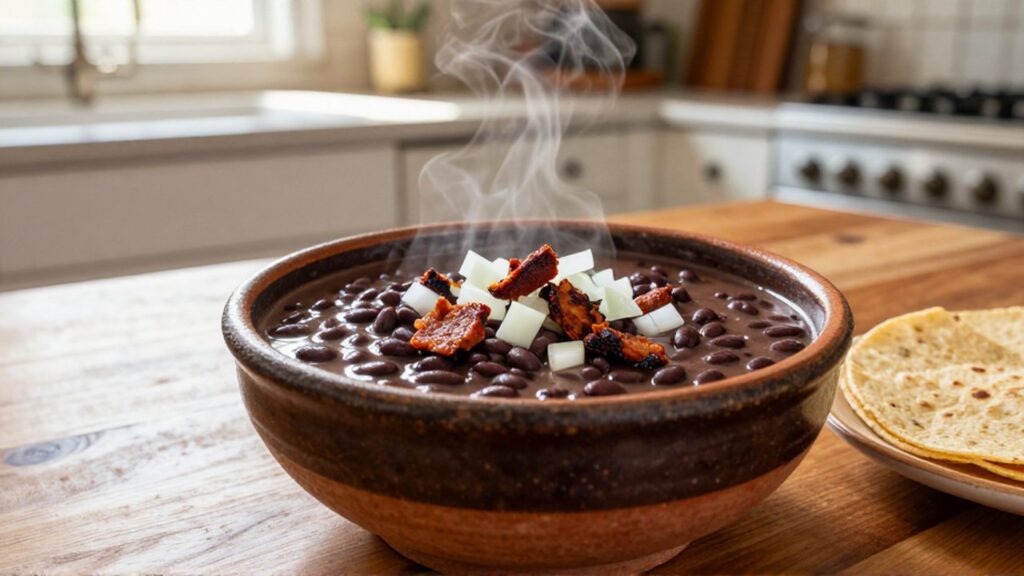
Sopa de frijol, which translates to bean soup, is a cornerstone of Mexican home cooking. While there are countless ways to prepare beans in a Mexican kitchen, this specific version—fortified with spicy chorizo (Mexican pork sausage) and sautéed onions—transforms a simple pantry staple into a deeply satisfying, hearty meal. For the American home cook, this dish offers a bridge between everyday comfort food and the vibrant, bold flavors of Latin American cuisine. It is a recipe that relies on fundamental techniques, making it accessible even if you are new to working with traditional Mexican ingredients.
This recipe is designed to provide a rich, velvety texture that pairs beautifully with various toppings. Whether you are looking for a warming lunch on a chilly day or a quick weeknight dinner that feels special, this soup delivers. In the following guide, you will find a straightforward method to create a traditional Sopa de Frijol that balances the smokiness of the sausage with the creaminess of the beans. We will also discuss how to select the right ingredients in a US supermarket and how to customize the dish to suit your household's heat preference.
Essential Ingredients and Substitutions
To achieve the most authentic flavor, the quality and type of beans and sausage are paramount. Most traditional preparations use dried beans, which require soaking and long simmering times to achieve the proper texture. However, for a faster weeknight version, high-quality canned beans can be used, provided you adjust the cooking process accordingly.

The heart of this soup is the beans. Traditionally, black beans (frijoles negros) or pinto beans (frijoles pintos) are used. Black beans offer a slightly earthier, more robust profile, while pinto beans provide a creamier, milder base. If you choose to use dried beans, ensure they are sorted and rinsed thoroughly before cooking. For the chorizo, look for the loose, ground variety in the Mexican aisle of your local supermarket. This is different from Spanish chorizo, which is typically cured, hard, and seasoned with much more paprika. Mexican chorizo is fresh, moist, and intended to be cooked. If you cannot find Mexican chorizo, you can substitute regular ground pork seasoned with a mixture of smoked paprika, chili powder, and a pinch of cumin to mimic the flavor profile.
The aromatics are equally important. A large white or yellow onion provides a necessary sweetness to balance the salt and spice of the meat. Garlic is essential for depth, and a touch of oil or lard can be used for sautéing. For the liquid base, chicken stock or vegetable stock is recommended over plain water to ensure a savory result.
Ingredients List
- 1 pound (approx. 450g) dried black beans or pinto beans, sorted and rinsed
- 2 quarts (approx. 1.9 liters) chicken or vegetable stock
- 1/2 pound (approx. 225g) Mexican chorizo (fresh, ground variety)
- 1 large white onion, finely diced
- 3 cloves garlic, minced
- 1 tablespoon vegetable oil or lard
- 1/2 teaspoon dried Mexican oregano (if available; regular oregano works as a substitute)
- Salt to taste (use sparingly if using salty stock)
- For serving: Grated Queso Fresco or Cotija cheese, sliced avocado, fresh cilantro, and warm corn tortillas.
Step-by-Step Cooking Instructions
The process begins with preparing the beans. If you are using dried beans, the most reliable method is to soak them overnight in water. In the morning, drain the soaking water and place the beans in a large pot with the 2 quarts of stock. Bring the mixture to a boil, then reduce the heat to low, cover, and simmer until the beans are tender, which typically takes 1.5 to 2 hours. If you are using canned beans, simply rinse them and skip directly to the sautéing stage, though you will need to reduce the amount of liquid used to prevent the soup from becoming too thin.
Once the beans are tender, it is time to build the flavor profile with the chorizo and aromatics. In a separate medium skillet, cook the chorizo over medium heat. Break the meat apart with a wooden spoon as it cooks. You want the fat to render out and the meat to become slightly crispy. Once the chorizo is cooked through, use a slotted spoon to remove the meat and set it aside, leaving the flavorful red oil in the skillet. This oil is liquid gold; it contains the concentrated spices of the sausage and will be used to sauté your vegetables.
- Heat the chorizo fat in a large pot (or use the skillet) over medium heat. Add the diced onion and sauté for about 5 to 7 minutes until translucent and slightly softened.
- Add the minced garlic and cook for another 60 seconds until fragrant, being careful not to let the garlic burn.
- If using dried beans, add the cooked, tender beans and their cooking liquid into the pot with the onions and garlic. If using canned beans, add the beans and about 2 cups of stock.
- Incorporate the cooked chorizo back into the pot.
- Add the dried oregano and stir well.
- Simmer the soup for another 10 to 15 minutes to allow the flavors to marry. For a thicker, creamier consistency, take a potato masher or an immersion blender and lightly pulse the soup, breaking up just a small portion of the beans.
- Taste the soup and add salt if necessary. Remember that chorizo and stock both contain salt, so always taste before seasoning.
Customizing Texture and Heat
One of the joys of Sopa de Frijol is its versatility. Depending on the texture you prefer, you can manipulate the soup during the final simmering stage. If you prefer a "soupy" consistency where the beans remain whole and distinct, leave the mixture as is. If you prefer a thick, porridge-like consistency typical of many Mexican households, use a blender to process half of the bean mixture before recombining it with the whole beans and the meat. This creates a luxurious, velvety base that holds the chorizo pieces beautifully.
To adjust the heat, consider the specific brand of chorizo you purchase, as spice levels vary. If you find the soup too mild, you can stir in a small amount of chipotle peppers in adobo sauce (finely chopped) during the simmering process. This will add a smoky, medium heat. If the soup is too spicy, adding a dollop of sour cream or extra crumbled cheese during serving can help mellow the flavors.
Serving Suggestions and Storage
The way you finish this dish is just as important as how you cook it. A bowl of Sopa de Frijol is rarely served plain. To elevate the dish, provide a variety of toppings that offer contrasting textures. Creamy elements like sliced avocado or a swirl of sour cream balance the saltiness. Salty, crumbly elements like Queso Fresco or Cotija cheese provide a sharp bite. Freshness is added through a sprinkle of chopped cilantro or a squeeze of fresh lime juice, which cuts through the richness of the pork fat.

For a complete meal, serve the soup alongside warm corn tortillas or crispy tortilla strips. The crunch of the tortillas provides a necessary textural contrast to the soft beans. If you want to make it a more substantial breakfast, you can top the soup with a fried egg.
When it comes to leftovers, this soup is remarkably resilient. Store any unused portion in an airtight container in the refrigerator for up to 4 days. Be aware that the beans will continue to absorb the liquid as they sit, so the soup may thicken significantly overnight. When reheating, simply add a splash of water or extra chicken stock to bring it back to your desired consistency. You can reheat the soup on the stovetop over medium heat or in the microwave in short increments, stirring occasionally.
Frequently Asked Questions
Can I make this recipe in a slow cooker?
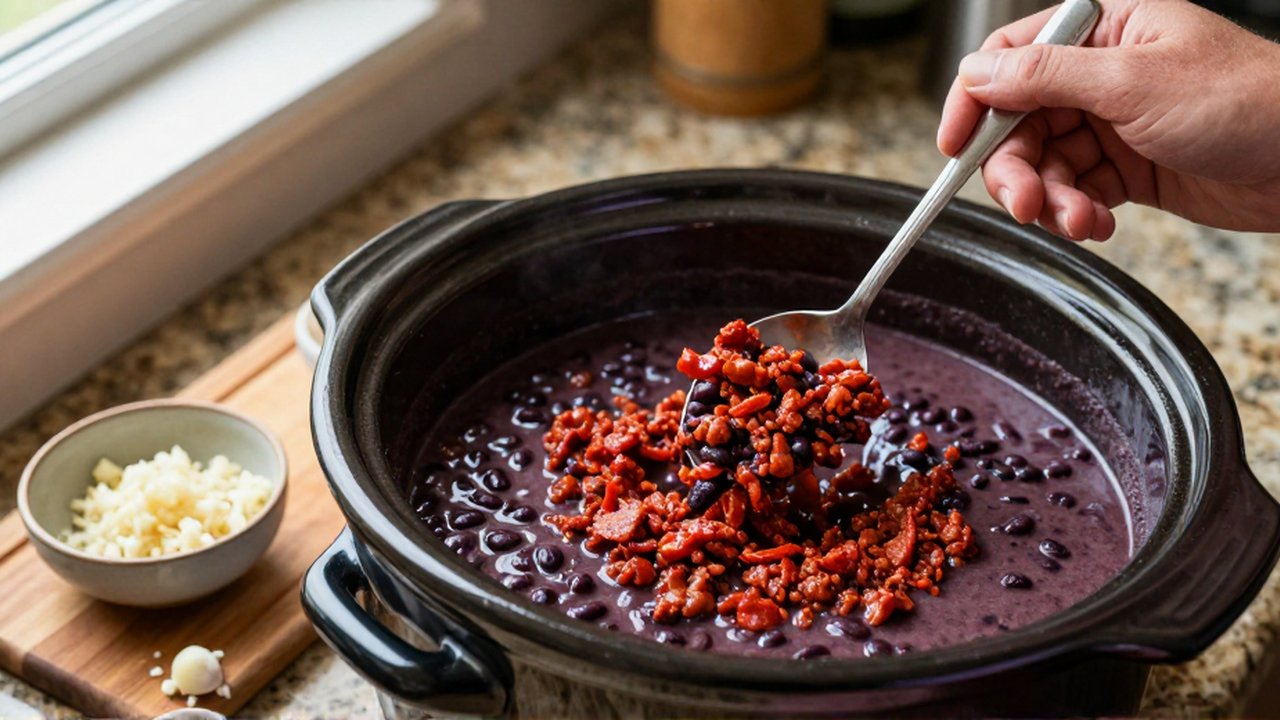
Yes, you can. If using dried beans, place the soaked beans, stock, onions, garlic, and oregano in the slow cooker and cook on low for 6–8 hours. Prepare the chorizo separately in a skillet as instructed, then stir the cooked chorizo into the slow cooker during the last 30 minutes of cooking to ensure the meat is heated through and the flavors are integrated.
What if I cannot find Mexican chorizo?
As mentioned earlier, you can make a substitute using ground pork. Combine 1/2 pound of ground pork with 1 teaspoon of smoked paprika, 1/2 teaspoon of chili powder, 1/4 teaspoon of dried oregano, and a pinch of garlic powder. Sauté this mixture in oil until cooked through, and it will serve as an excellent base for the soup.
Do I need to peel the garlic?
Yes, for the smoothest texture and best flavor, you should mince the garlic cloves. If you prefer a very rustic, chunky soup, you can smash the garlic cloves whole and simmer them in the liquid, removing them before serving, though mincing is the standard method for home cooks.
Leave a Reply
Related posts