
Step-by-Step Guide to Baking Sweet Mexican Pan de Muerto

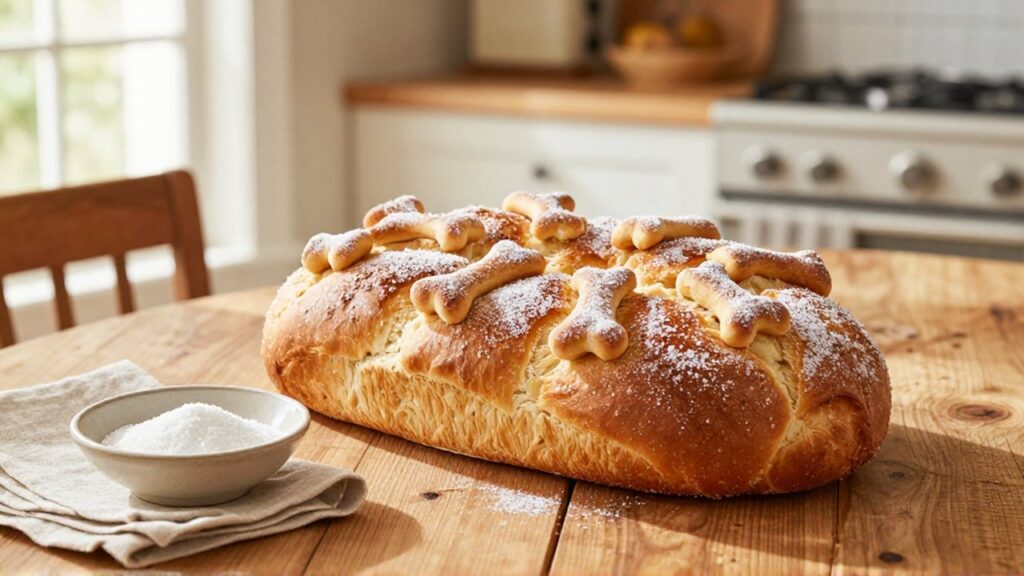
Pan de Muerto is a traditional Mexican sweet bread that holds a central place in the festivities of Día de los Muertos (Day of the Dead). While it is a seasonal staple deeply rooted in cultural remembrance and the honoring of ancestors, its soft, aromatic texture makes it a delightful addition to any breakfast table throughout the year. This bread is characterized by its enriched dough, often flavored with orange blossom or citrus, and its distinctive shape, which features bone-like dough strips arranged on top of a rounded loaf.
For the home cook in the United States, baking Pan de Muerto provides an opportunity to explore the art of enriched yeast breads using ingredients readily available in local supermarkets. This guide serves as a comprehensive, step-by-step roadmap to creating this beautiful bread from scratch. We will cover the importance of temperature control, the nuances of dough development, and how to achieve that signature citrus aroma. Whether you are preparing this for a traditional holiday altar or simply looking to elevate your weekend breakfast, this guide will provide the technical guidance needed to succeed.
Understanding the Ingredients and Substitutions
Creating a high-quality Pan de Muerto requires a balance of fats, sugars, and aromatics. The foundation is an enriched dough, which differs from a standard crusty bread because it contains significant amounts of eggs, butter, and sugar. This results in a "brioche-style" crumb that is tender, pillowy, and slightly sweet. Because this is a yeast-based bread, the quality and temperature of your ingredients can significantly impact the rise and final texture.

The most crucial flavoring agent is the orange scent. Traditionally, this is achieved through agua de azahar (orange blossom water). If you cannot find orange blossom water in the international aisle of your supermarket, you can achieve a similar profile by using fresh orange zest and a small amount of high-quality orange extract. If your recipe calls for specific Mexican spices like star anise or specific types of cinnamon, standard ground cinnamon and whole star anise from the spice aisle are perfectly acceptable substitutes.
For the fats, always use unsalted butter to maintain control over the salt content of the dough. When selecting flour, all-purpose flour works well for a slightly sturdier crumb, but bread flour is preferred if you want a more developed gluten structure and a lighter, airier texture. If you are working with large quantities, ensure your eggs and butter are at room temperature before beginning; cold ingredients can hinder the yeast's ability to thrive and make the dough difficult to knead.
Essential Ingredients List
To make approximately two large loaves or six to eight individual buns, you will need the following ingredients:
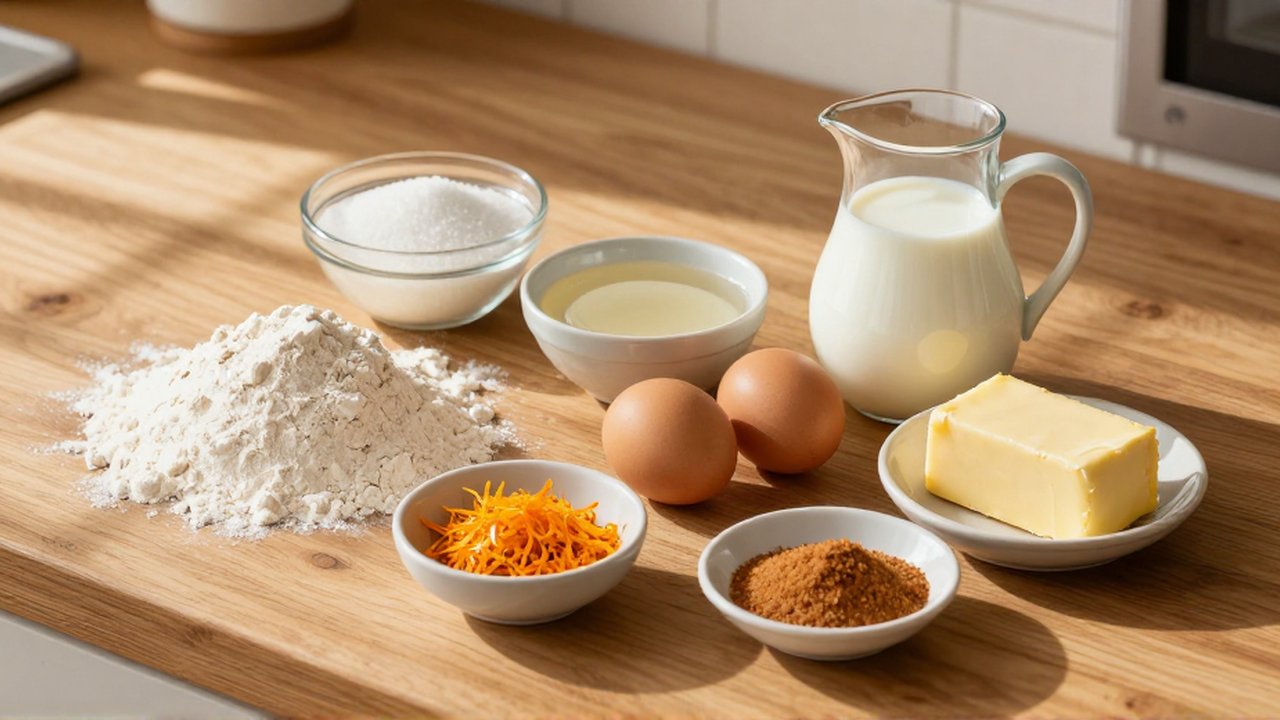
- 4 ½ cups (560g) All-purpose or bread flour, plus extra for dusting
- ½ cup (100g) Granulated sugar
- 1 tablespoon (9g) Active dry yeast
- ½ teaspoon (3g) Salt
- ½ cup (120ml) Whole milk, lukewarm (about 105°F to 110°F)
- 2 large Eggs, room temperature
- 6 tablespoons (85g) Unsalted butter, softened to room temperature
- 1 tablespoon (15ml) Orange blossom water or orange extract
- 1 tablespoon (6g) Fresh orange zest, finely grated
- ½ cup (60g) Granulated sugar, mixed with 1 teaspoon (6g) ground cinnamon (for coating)
- 1 Egg, beaten with 1 tablespoon (15ml) water (for egg wash)
Step-by-Step Baking Instructions
Follow these steps carefully to ensure the dough develops the proper strength and the bread achieves its iconic shape.
- Activate the Yeast: In a large mixing bowl or the bowl of a stand mixer, combine the lukewarm milk, a tablespoon of the sugar, and the active dry yeast. Let the mixture sit for about 5 to 10 minutes until it becomes frothy. This confirms that your yeast is alive and active.
- Mix the Dough: Add the remaining sugar, the eggs, orange blossom water, orange zest, and salt to the yeast mixture. Begin adding the flour one cup at a time. If using a stand mixer with a dough hook, mix on low speed until a shaggy mass forms.
- Incorporate the Butter and Knead: Once the flour is incorporated, add the softened butter one tablespoon at a time while the mixer is running. Once the butter is fully absorbed, increase the speed to medium-low and knead the dough for 8 to 10 minutes. If kneading by hand, turn the dough onto a lightly floured surface and knead vigorously for about 12 to 15 minutes. The dough is ready when it is smooth, elastic, and slightly tacky but does not stick excessively to your fingers.
- First Rise: Place the dough in a lightly greased bowl, cover it with a clean kitchen towel or plastic wrap, and let it rise in a warm, draft-free area. This typically takes 1 to 2 hours, or until the dough has doubled in size.
- Shape the Loaves: Gently deflate the risen dough. Divide it into two equal portions for large loaves, or smaller portions for individual rolls. For a traditional look, take a small piece of dough and roll it into a long, thin cylinder to represent the bones. Place this on top of your rounded loaf, connecting it to the center. You can also create a small circle of dough to place on top, representing the skull.
- Second Rise: Place the shaped loaves on a parchment-lined baking sheet. Cover loosely and let them rise again for about 45 to 60 minutes. They should look puffy and light.
- Bake: Preheat your oven to 350°F (175°C). Gently brush the tops of the loaves with the egg wash. Bake for 25 to 30 minutes for individual buns, or 35 to 40 minutes for larger loaves, until they are golden brown. The internal temperature should reach 190°F (88°C) to ensure it is fully cooked through.
- The Finishing Touch: While the bread is still warm from the oven, brush it lightly with a little extra melted butter (optional) and then generously coat the tops with the cinnamon-sugar mixture.
Tips for Success and Troubleshooting
One of the most common challenges with enriched doughs is over-proofing or under-proofing. If the dough rises too much and then collapses during shaping, it was likely over-proofed; this happens if the environment is too hot or the rise time was too long. If the bread is dense and heavy, it was likely under-proofed. Always look for the dough to look "puffy" rather than just "larger."
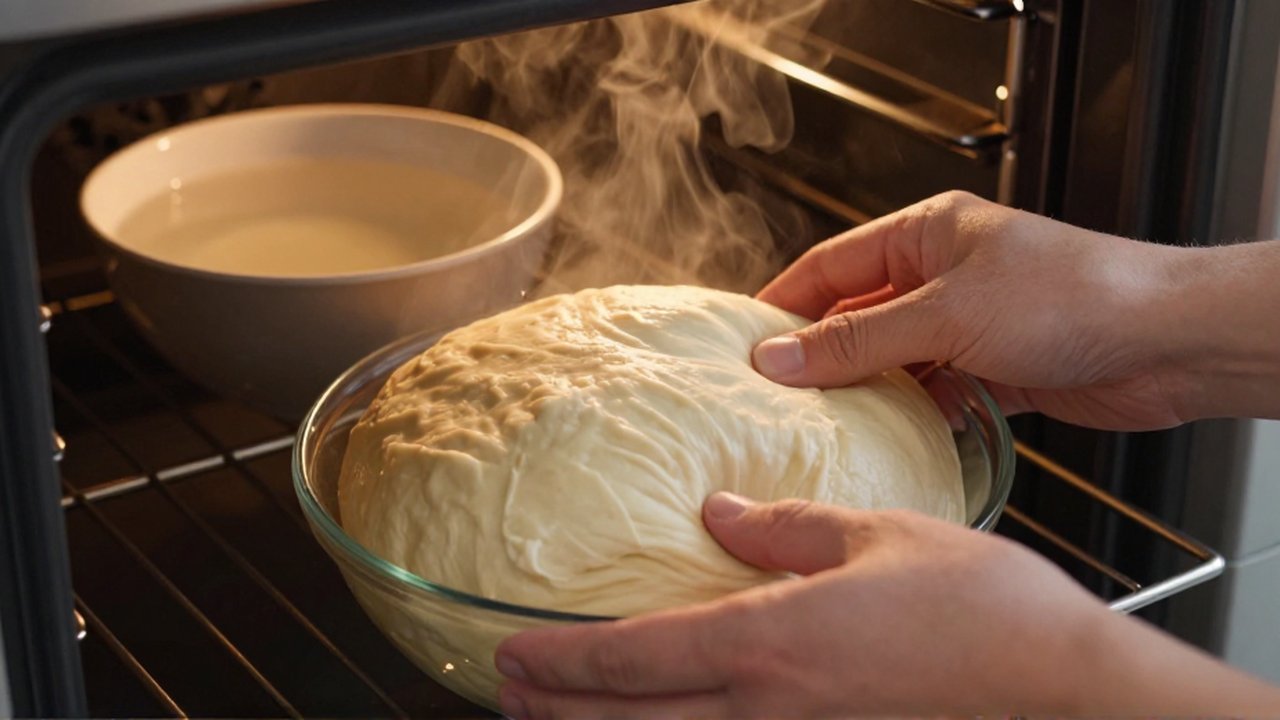
Temperature is your best friend or worst enemy. If your kitchen is cold, the rise will take much longer. You can create a makeshift proofing box by placing the dough in an oven that is turned off, but with a bowl of steaming hot water placed on the rack below it. This provides the gentle warmth required for the yeast. Conversely, ensure your milk is not too hot; if it exceeds 120°F (49°C), you risk killing the yeast, which will prevent the bread from rising entirely.
For those concerned about the texture, ensure you do not skip the kneading process. The kneading is what develops the gluten, which in turn traps the gases produced by the yeast. Without sufficient kneading, the bread will lack the structure to hold the decorative "bone" pieces on top and will instead result in a crumbly, cake-like texture rather than a bread-like one.
Storage and Food Safety
Because Pan de Muerto is an enriched bread containing eggs and butter, it should be handled with care regarding storage. Once the bread has cooled completely on a wire rack, store it in an airtight container or a sealed plastic bag. At room temperature, the bread will stay fresh for about 2 to 3 days. For a longer shelf life, you may store it in the refrigerator, though this can sometimes dry out the crumb.
To refresh the bread, you can briefly warm it in an oven at 300°F (150°C) for a few minutes to soften the butter and revive the aroma. If you find you have leftover bread that has become slightly stale, it works wonderfully when toasted with a bit of butter or used for bread pudding.
When handling raw eggs during the preparation process, always wash your hands, utensils, and surfaces thoroughly with warm, soapy water to prevent cross-contamination. Ensure the bread is baked to the recommended internal temperature to guarantee food safety. For leftovers, do not leave the bread sitting out at room temperature for more than a few hours once it has been sliced, as the exposed interior can dry out or become a site for moisture buildup.
Leave a Reply
Related posts