
Creamy Ecuadorian Caldo de Camarón: Shrimp Stew Guide


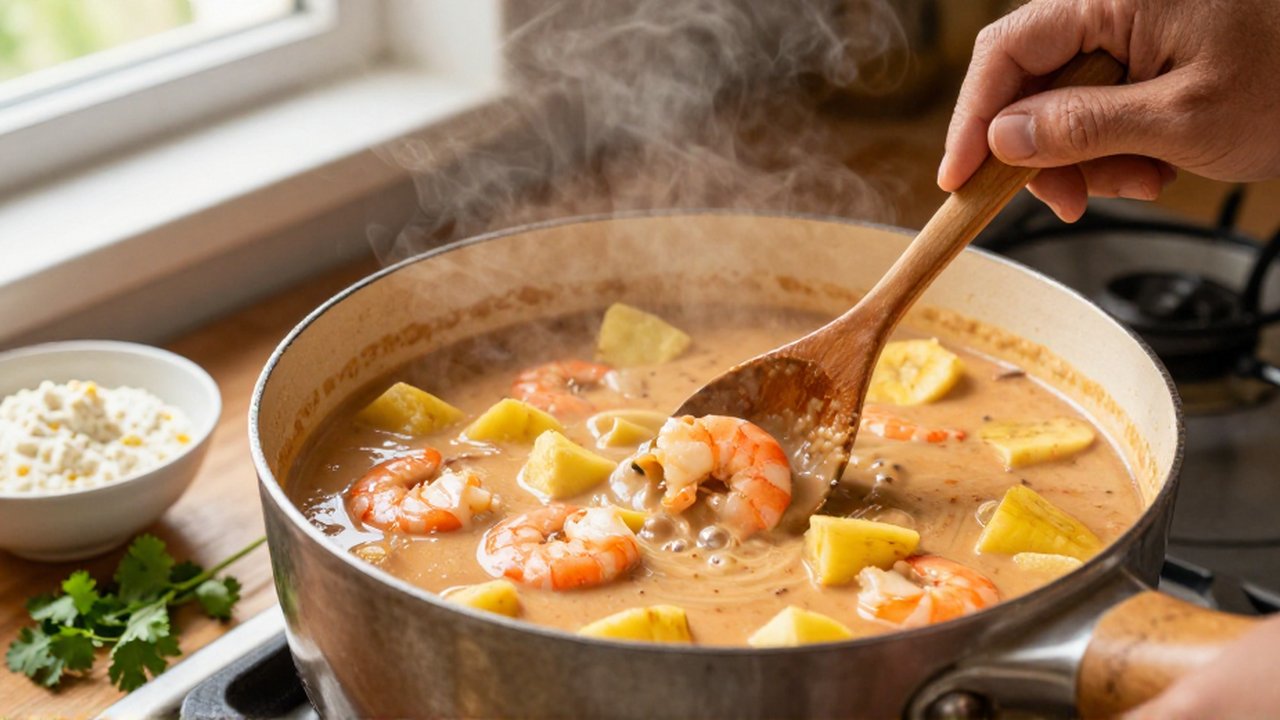
Caldo de Camarón is a quintessential Ecuadorian shrimp soup that stands as a cornerstone of coastal cuisine in Ecuador. Unlike many clear shrimp broths found in other parts of the world, this Ecuadorian version is celebrated for its rich, velvety texture and deeply savory profile. It is a hearty, comforting dish that leans heavily on a base of sautéed aromatics, a touch of creaminess, and a generous amount of starchy elements like plantains and potatoes to create a complete, satisfying meal in a single bowl.
For the home cook in the United States, mastering this recipe means bringing a vibrant piece of South American coastal tradition to your dinner table using ingredients easily found in local supermarkets. While the flavor profile is distinctively Ecuadorian, the technique relies on fundamental culinary principles: building a flavorful sofrito (a sautéed base of aromatics), simmering seafood to perfection, and balancing acidity with richness. This guide will walk you through the process of making an authentic-tasting Caldo de Camarón, offering practical adjustments for ingredient availability and professional tips to ensure your broth is flavorful rather than watery.
Essential Ingredients and Substitutions

The success of a great Caldo de Camarón depends on the quality of the shrimp and the depth of the base. In the United States, you will find a wide variety of shrimp, from frozen bags of peeled and deveined tail-on shrimp to fresh, high-quality wild-caught varieties at seafood counters. For this recipe, using shrimp with the tails left on is recommended, as they add extra flavor to the broth during the simmering process.
To achieve the characteristic texture and flavor, you will need a specific set of ingredients. Most are staples, but a few might require a quick trip to the international aisle.
- Shrimp: 1.5 pounds (680 grams) of medium or large shrimp. If using frozen shrimp, thaw them completely in the refrigerator before cooking.
- Plantains: 2 ripe plantains. In the US, look for plantains with yellow skins and black spots; these are "maduros" and provide the necessary sweetness and starch. If you cannot find plantains, a large Russet potato can act as a partial substitute, though you will lose the characteristic sweetness.
- Potatoes: 2 medium Yukon Gold or Russet potatoes, peeled and cubed.
- Aromatics (The Sofrito): 1 large white onion (finely diced), 4 cloves of garlic (minced), and 1 red bell pepper (finely diced).
- Liquid Base: 6 cups of seafood stock or chicken stock. For a more traditional flavor, you can use the liquid from a jar of canned maní (peanut sauce) or a small amount of peanut butter to mimic the subtle nutty undertone found in many Ecuadorian versions.
- Spices and Seasoning: 1 teaspoon of ground cumin, 1 teaspoon of smoked paprika, salt, and black pepper to taste.
- Creaminess: 1/2 cup of heavy cream or whole milk.
- Acidity and Garnish: Fresh cilantro (chopped), lime wedges, and optionally, a bit of achiote oil (annatto oil). If you cannot find achiote oil, a teaspoon of mild paprika mixed with olive oil works well to provide that signature reddish hue.
Step-by-Step Cooking Instructions

Preparing Caldo de Camarón requires a logical progression to ensure the shrimp do not become rubbery while the vegetables reach a soft, tender consistency. Follow these steps to achieve a balanced, creamy stew.
- Prepare the Shrimp: If your shrimp are not pre-cleaned, devein them. Pat them dry with paper towels. Season them lightly with salt and a pinch of cumin. Set them aside.
- Sauté the Aromatics: In a large pot or Dutch oven, heat 2 tablespoons of oil (preferably achiote oil or olive oil) over medium heat. Add the diced onion and red bell pepper. Sauté for about 5 to 7 minutes until the onions are translucent. Add the minced garlic, cumin, and smoked paprika, and cook for another 2 minutes until fragrant, being careful not to burn the garlic.
- Build the Broth: Pour in the 6 cups of stock. Add the cubed potatoes and the sliced ripe plantains. Bring the mixture to a boil, then reduce the heat to low and simmer for about 15 to 20 minutes, or until the potatoes and plantains are fork-tender.
- Incorporate the Shrimp: Once the vegetables are soft, turn the heat back up to medium to bring the broth to a gentle simmer. Add the shrimp to the pot. Shrimp cook very quickly; they only need about 3 to 5 minutes. As soon as they turn pink and opaque, they are done. Overcooking them will result in a tough texture.
- Finish with Cream: Turn the heat to low. Stir in the heavy cream or milk slowly. This will transform the broth from a clear soup into a creamy stew. Taste the broth and adjust seasonings with salt, pepper, or a squeeze of lime.
- Serving: Ladle the hot soup into deep bowls. Ensure every serving gets a good amount of shrimp, plantain, and potato. Top generously with freshly chopped cilantro and serve immediately with lime wedges on the side.
Tips for Texture and Flavor Balance
One common error when making shrimp stews is an imbalance between the richness of the cream and the brightness of the seafood. To avoid a heavy, cloying sensation, always serve Caldo de Camarón with lime wedges. The acidity of the fresh lime juice cuts through the fat of the cream and the starch of the plantains, "waking up" the delicate flavor of the shrimp.
Another way to manage texture is through the preparation of the plantains. Since ripe plantains act as a natural thickener, if you prefer a thicker, more porridge-like consistency, you can mash a few of the cooked plantain chunks directly into the broth before adding the shrimp. If you prefer a lighter, more liquid broth, ensure you cut the plantains into uniform, medium-sized pieces so they hold their shape during simmering.
Regarding food safety, always ensure the shrimp reach an internal temperature of 145°F (63°C). When storing leftovers, allow the soup to cool slightly before placing it in an airtight container in the refrigerator. This stew can be safely kept in the refrigerator for 2 to 3 days. When reheating, do so gently on the stovetop over medium-low heat to prevent the cream from separating or the shrimp from becoming overly firm.
Frequently Asked Questions
Can I make this recipe gluten-free?
Yes. Naturally, this recipe uses potatoes, plantains, and shrimp, which are all gluten-free. However, always check the labels on your store-bought chicken or seafood stock to ensure no wheat-based thickeners or flavorings have been added.
What if my broth is too thin?
If your broth lacks body, you can whisk a small amount of cornstarch (about 1 tablespoon) into a little cold water to create a slurry, then stir it into the simmering broth. Alternatively, as mentioned previously, mashing some of the cooked potatoes or plantains into the liquid is a more traditional way to achieve thickness without changing the flavor profile significantly.
Can I use frozen shrimp?
Absolutely. Frozen shrimp is very common in the US and works perfectly for this dish. The most important rule is to thaw them completely in the refrigerator before they hit the pot. If you add frozen shrimp directly to the hot broth, the temperature of the soup will drop too sharply, and you will struggle to achieve the correct simmering temperature for the vegetables.
Leave a Reply
Related posts