
Making Classic Puerto Rican Polvorones Butter Cookies

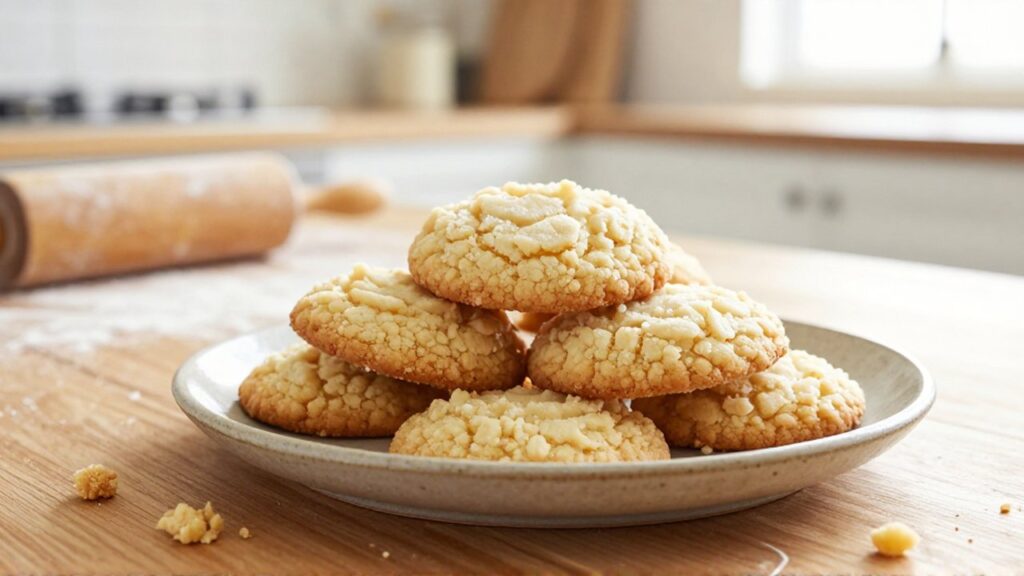
Polvorones are traditional Puerto Rican shortbread cookies characterized by their unique, crumbly texture that practically melts on the tongue. The name comes from the Spanish word polvo, meaning powder, which perfectly describes the delicate, sandy consistency of the finished cookie. Unlike a standard American butter cookie that might be chewy or crisp, a true polvorón is intentionally fragile. This makes them a beloved staple in Puerto Rican households, often served alongside a warm cup of coffee or as a nostalgic treat during holiday gatherings.
For the American home cook, making polvorones is an excellent way to introduce Latin American flavors to the dessert table without requiring specialized equipment or hard-to-find ingredients. The recipe relies on pantry staples—flour, sugar, butter, and vanilla—making it an accessible project for weeknight baking or festive preparation. This guide will provide you with a foolproof method to achieve that signature "melt-in-your-mouth" quality, while offering practical advice on how to handle such delicate dough and ensure your cookies maintain their structure from the oven to the cooling rack.
Essential Ingredients and Substitutions
The success of a polvorón depends heavily on the quality and temperature of the ingredients. Because the dough is essentially a high-fat shortcrust, the ratio of fat to flour is critical to achieving that powdery texture rather than a hard, biscuit-like result.
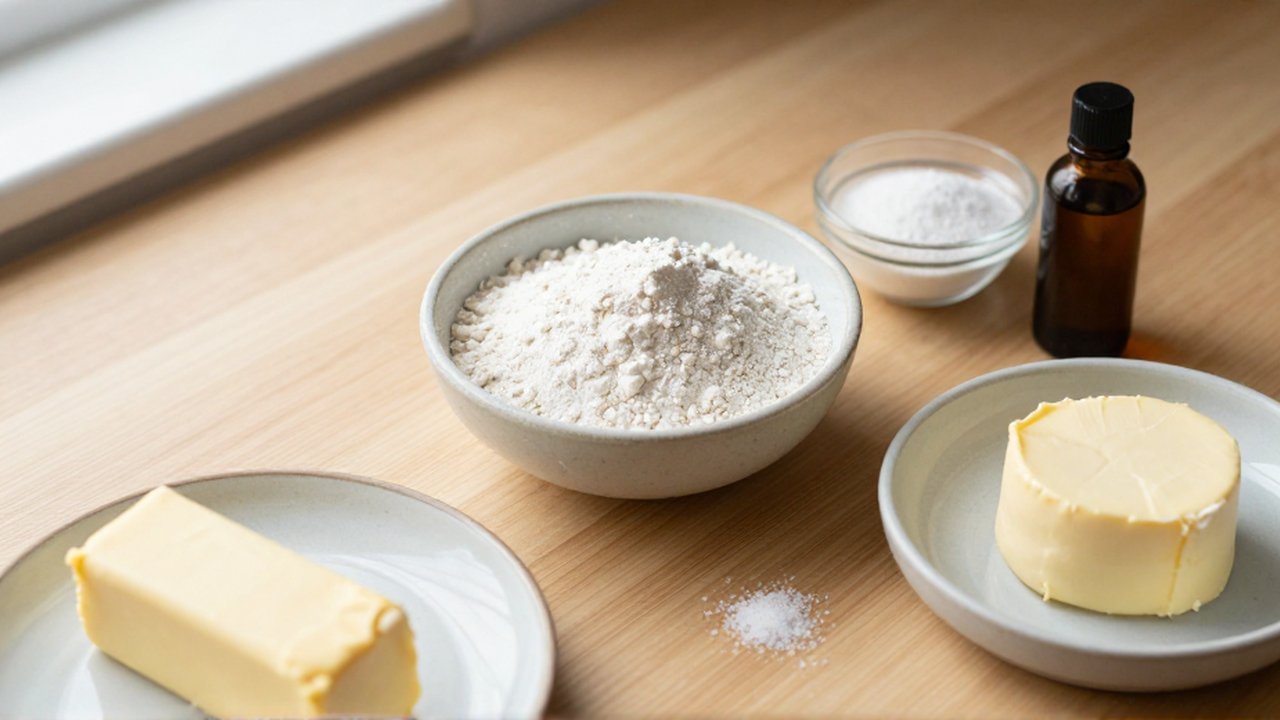
To make a standard batch, you will need the following ingredients:
- 2 cups (250 grams) all-purpose flour, sifted
- ½ cup (113 grams/1 stick) unsalted butter, softened to room temperature
- ½ cup (100 grams) granulated sugar or powdered sugar (for an even finer texture)
- 1 teaspoon pure vanilla extract
- ¼ teaspoon salt (omit if using salted butter)
- Optional: 1 tablespoon of cornstarch (maizena) to increase the tenderness
When shopping in the United States, you will find all these items in any local supermarket. If you prefer an even more delicate, "professional" texture, I recommend using powdered sugar instead of granulated sugar. Powdered sugar dissolves more completely into the fat, preventing any slight grittiness that can sometimes occur with granulated sugar in high-fat doughs.
If you happen to find cornstarch, adding a small amount to the flour mixture is a classic trick used to soften the gluten structure, contributing to that signature crumble. Regarding the butter, ensure it is truly at room temperature—soft enough to take an indentation from your finger, but not so warm that it has turned into a liquid or melted state. If the butter is too hot, the cookies will spread excessively in the oven and lose their shape.
Step-by-Step Preparation Guide

Baking polvorones requires a gentle hand. The goal is to combine the ingredients just enough to form a cohesive dough without overworking the gluten, which would make the cookies tough instead of crumbly.
- Prepare the Dry Ingredients: In a medium mixing bowl, whisk together the sifted all-purpose flour, salt, and cornstarch (if using). Sifting is a vital step here; it aerates the flour and ensures there are no lumps, which is essential for a delicate cookie.
- Cream the Fats and Sugars: In a separate large bowl, using a handheld electric mixer or a stand mixer fitted with the paddle attachment, cream together the softened unsalted butter and the sugar. Beat on medium speed until the mixture is pale, light, and fluffy. This process incorporates air, which helps the cookie's texture.
- Incorporate Aromatics: Add the vanilla extract to the butter mixture and beat for another 30 seconds until well combined.
- Combine: Turn the mixer to its lowest setting and gradually add the dry flour mixture to the wet ingredients. Mix only until the white streaks of flour disappear. Over-mixing at this stage is the most common mistake; stop as soon as the dough comes together.
- Chill the Dough: Turn the dough out onto a piece of plastic wrap, form it into a disc, and wrap it tightly. Refrigerate the dough for at least 30 to 60 minutes. Chilling is non-negotiable, as it firms up the butter, making the dough easier to handle and preventing the cookies from spreading too much during baking.
- Shape and Bake: Preheat your oven to 350°F (175°C). On a lightly floured surface, roll out the dough to about ¼ inch thickness. Use cookie cutters to cut shapes, or simply roll the dough into small balls and flatten them slightly with your palm. Place them on a baking sheet lined with parchment paper.
- Bake: Bake for 10 to 12 minutes. The polvorones should not turn dark brown; they are done when the edges are just barely set and the tops remain pale.
- Cooling: Allow the cookies to cool on the baking sheet for at least 10 minutes before moving them. Because they are so fragile when hot, attempting to move them too early will cause them to shatter.
Achieving the Perfect Texture and Common Variations
The most important aspect of polvorones is the "short" texture, a culinary term meaning the dough has a high fat-to-flour ratio that prevents gluten development. If your cookies come out too hard, you likely over-mixed the dough or used too much flour. If they spread into flat puddles, your butter was likely too warm when you started.
There are several ways to vary this recipe to suit different tastes. For a traditional festive touch, many Puerto Rican families coat the finished, cooled cookies in a light dusting of powdered sugar. This adds a touch of sweetness and a beautiful visual appeal. Another variation involves adding citrus notes; adding the zest of one lime or lemon to the butter mixture can provide a bright contrast to the rich, buttery flavor.
For those who enjoy a bit of texture, you can incorporate finely crushed nuts, such as almonds or pecans, into the flour mixture. While this moves slightly away from the classic "polvo" texture, it creates a delicious, more substantial cookie that still retains the spirit of the original recipe. Always remember that with these variations, the cooling process is even more critical, as the added moisture from citrus or the weight of the nuts can make the cookies even more delicate.
Troubleshooting and Storage Tips
Because polvorones are so delicate, they require specific storage handling to ensure they stay fresh and don't turn into a pile of crumbs in your pantry.

Common Problems:
- Cookies are too crumbly to hold their shape: This often happens if the dough was too dry. You can add a teaspoon of milk to the dough if it feels overly sandy during the mixing stage, but do this cautiously.
- Cookies are tough: This is a sign of over-mixing. When the flour meets the liquid/fat, gluten begins to form. The more you stir, the stronger that gluten network becomes. Work quickly and stop the moment the dough is uniform.
- Cookies spread too much: Your butter was likely too soft, or you skipped the chilling step. Always ensure the dough is cold when it enters the oven.
Storage Guidance:
Once the cookies are completely cooled, store them in an airtight container. Because of the high fat content, they can absorb odors from other foods if left uncovered. They will stay fresh at room temperature for about a week. For longer storage, you can keep them in the refrigerator, though they may become slightly harder. If they do become hard, a few minutes at room temperature or a very brief moment in a warm oven can help restore their texture.
To maintain food safety, always ensure your hands and all surfaces are clean before handling the dough, especially when working with raw flour. Once baked, these cookies are shelf-stable, but always ensure the container is completely sealed to prevent them from absorbing moisture from the air, which can make them lose their signature sandy texture.
Leave a Reply
Related posts