
Cuban Arroz con Pollo: A Step-by-Step Recipe Guide


Arroz con pollo, which translates to "rice with chicken," is a cornerstone of Cuban home cooking. While many Latin American cultures have their own cherished versions of this one-pot meal, the Cuban preparation is distinct for its aromatic profile, characterized by the heavy use of saffron or achiote (annatto) for color and a deeply flavorful base known as sofrito. This dish is more than just a meal; it is a practical solution for the busy home cook because it brings together protein, starch, and vegetables in a single pan, making cleanup efficient and flavors cohesive.
For the cook in the United States, mastering this dish means bringing a taste of the Caribbean into a standard kitchen using ingredients readily available at any local supermarket. This guide is designed to walk you through the traditional method of building layers of flavor, from browning the chicken to simmering the rice until it absorbs all the savory juices. Whether you are preparing this for a quiet weeknight dinner or a larger family gathering, this step-by-step guide provides the technique and measurements necessary to achieve a restaurant-quality result at home.
The Foundation of Flavor: Sofrito and Aromatics
The secret to an exceptional Arroz con Pollo lies not in complex culinary machinery, but in the foundation of the dish: the sofrito. In Cuban cuisine, a sofrito is a slow-cooked aromatic base made from finely diced vegetables. While recipes vary by household, a classic Cuban sofrito typically consists of bell peppers, onions, and garlic. This mixture is sautéed in oil at the beginning of the cooking process, allowing the sugars in the vegetables to caramelize and create a deep, savory undertone that perfumes the entire dish.
To elevate your sofrito, the quality and preparation of your aromatics matter. Using fresh garlic rather than pre-minced jarred varieties provides a much more potent aroma. Additionally, the choice of coloring agent is vital for the visual appeal of the rice. Traditionally, saffron provides a luxurious golden hue, but many home cooks use achiote (annatto) or even a small amount of turmeric to achieve that iconic yellow color. In US supermarkets, you can often find achiote paste in the international aisle, which can be dissolved into the cooking liquid to impart both color and a mild, earthy flavor.
Essential Ingredients

To make this recipe, you will need ingredients that balance richness with acidity. This recipe yields approximately 6 servings.
- 3 pounds (1.36 kg) chicken thighs and drumsticks, bone-in and skin-on for maximum flavor
- 2 cups (475 ml) long-grain white rice, rinsed until water runs clear
- 3 ½ cups (840 ml) chicken stock, preferably low-sodium
- 1 large yellow onion, finely diced
- 1 green bell pepper, finely diced
- 4 cloves garlic, minced
- 1 teaspoon dried oregano
- 1 teaspoon ground cumin
- ½ teaspoon smoked paprika (or achiote powder for traditional color)
- 2 tablespoons extra virgin olive oil
- 1 package (approx. 4 ounces) pitted Spanish olives, preferably Manzanilla variety
- ½ cup (120 ml) capers, drained (optional, for a salty punch)
- 1 teaspoon salt, plus more to taste
- ½ teaspoon black pepper
- ½ cup frozen peas, added at the end for color and texture
- Fresh cilantro or parsley, chopped, for garnish
If you cannot find Spanish olives or capers, you can omit them, though they contribute a characteristic briny note. If you prefer a brighter finish, a squeeze of fresh lime juice just before serving can help cut through the richness of the chicken skin.
Step-by-Step Cooking Instructions
-
Prepare the Chicken: Pat the chicken pieces thoroughly dry with paper towels. This is a crucial step; if the skin is damp, it will steam rather than crisp. Season the chicken generously on both sides with salt, pepper, and half of the cumin and oregano.
-
Sear the Protein: In a large, heavy-bottomed pot or a deep paella-style pan, heat the olive oil over medium-high heat. Place the chicken pieces skin-side down in the pan. Sear the chicken until the skin is golden brown and crispy, about 5 to 7 minutes per side. The chicken does not need to be cooked through at this stage. Once browned, remove the chicken from the pan and set it aside on a plate.
-
Build the Sofrito: Lower the heat to medium. In the same pan, using the rendered chicken fat as your cooking medium, add the diced onion and bell pepper. Sauté for about 6 to 8 minutes until the vegetables are soft. Add the minced garlic, the remaining cumin, oregano, and paprika. Cook for another 1 to 2 minutes until the garlic is fragrant but not burnt.
-
Toast the Rice: Add the rinsed and drained rice to the pot with the sofrito. Stir the rice constantly for 2 minutes to ensure every grain is coated in the oil and aromatics. Toasting the rice slightly helps prevent it from becoming mushy and ensures the grains remain distinct.
-
Deglaze and Simmer: Pour in the chicken stock, scraping the bottom of the pan with a wooden spoon to release any browned bits (the fond) left by the chicken. Add the olives and capers if using. Place the browned chicken pieces back into the pot, nestling them into the rice and liquid. Bring the liquid to a boil.
-
The Absorption Phase: Once boiling, turn the heat down to low and cover the pot with a tight-fitting lid. Let the rice simmer undisturbed for 20 to 25 minutes. Do not lift the lid during this time, as the steam is essential for even cooking.
-
Finishing Touches: Once the liquid is fully absorbed and the rice is tender, turn off the heat. Quickly lift the lid, scatter the frozen peas over the top, and replace the lid. Let it sit, off the heat, for 5 minutes. This allows the peas to steam gently and the rice to settle.
-
Serve: Fluff the rice very gently around the chicken with a fork. Garnish with fresh cilantro or parsley and serve directly from the pot.
Achieving the Perfect Texture and Flavor
A common challenge when making Arroz con Pollo is managing the texture of the rice. You want grains that are tender but separate, rather than a gummy mass. The secret lies in the ratio of liquid to rice and the rinsing process. Rinsing the long-grain rice removes excess surface starch, which is the primary culprit behind sticky rice. Furthermore, ensure your pot has a lid that fits securely; if steam escapes too quickly, the rice on top may remain hard while the bottom burns.
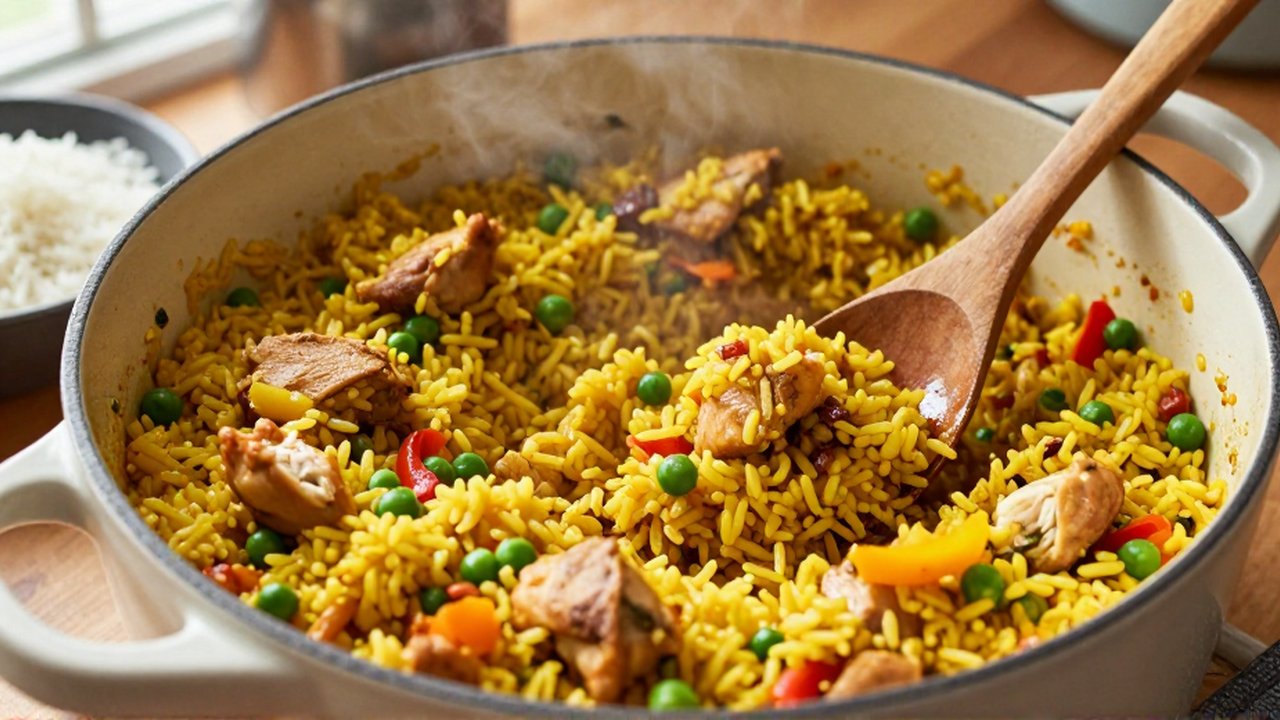
Another variation involves the "socarrat," a term often used in Spanish cooking to describe the toasted, crunchy layer of rice at the bottom of the pan. While not strictly a requirement in every Cuban household, some cooks enjoy a slightly higher heat during the last few minutes of cooking to encourage this texture. If you attempt this, listen for a faint crackling sound, but be careful not to let it transition into burning, which can impart a bitter taste to the entire dish.
Frequently Asked Questions
Can I use chicken breasts instead of thighs?
While you can use chicken breasts, thighs and drumsticks are highly recommended for this recipe. Dark meat has a higher fat content and more connective tissue, which keeps the meat juicy during the simmering process. Chicken breasts tend to dry out quickly when cooked alongside rice in a single pot. If you must use breasts, consider cutting them into larger chunks and adding them halfway through the simmering process to prevent overcooking.
How should I store and reheat leftovers?
Arroz con Pollo stores well in the refrigerator in an airtight container for up to 3 to 4 days. When reheating, the rice can sometimes dry out. To restore the moisture, add a small splash of chicken stock or water before microwaving, or reheat it in a covered skillet over low heat on the stove.
Can I make this recipe in a slow cooker or Instant Pot?
Yes, you can adapt this for a pressure cooker. If using an Instant Pot, sauté the chicken and sofrito first, add the rice and stock, then cook on high pressure for about 6 to 8 minutes with a natural pressure release. However, the traditional stovetop method provides more control over the browning of the chicken and the texture of the rice.
Leave a Reply
Related posts