
How to Make Puerto Rican Mofongo with Garlic Shrimp


Mofongo is one of the most iconic and beloved dishes of Puerto Rican cuisine. At its core, it is a savory mash made from fried green plantains, seasoned with garlic, olive oil, and often crispy salt pork or bacon. While there are many variations across the Caribbean, the Puerto Rican style is distinct for its texture—slightly chunky, incredibly fragrant, and deeply comforting. Pairing this starchy, garlic-infused base with camarones al ajillo (garlic shrimp) creates a complete, restaurant-quality meal that brings the flavors of the island directly to your dining table.
For the American home cook, mastering mofongo offers a rewarding way to explore Latin American flavors using accessible ingredients. While the dish may seem intimidating because of the traditional wooden tool used to mash the plantains, the fundamental technique is quite simple. This guide will walk you through the process of making authentic mofongo and a succulent garlic shrimp sauce, ensuring you have the right textures and seasonings to succeed. By the end of this article, you will know how to navigate the specialized produce aisle, how to achieve the perfect plantain consistency, and how to balance the bold garlic flavors that define this classic mainland-friendly feast.
Essential Ingredients and Substitutions
The success of mofongo depends heavily on the quality and type of plantain you select. You cannot use ripe, yellow, or black plantains for this recipe; they are too sweet and soft. You must use green plantains, which are starchy and firm, much like a potato. If your local US supermarket does not carry green plantains in the tropical fruit section, look for them in the international or Hispanic aisle. If you absolutely cannot find them, a large, starchy Yukon Gold potato can serve as a temporary substitute, though the flavor profile and cultural identity of the dish will change significantly.
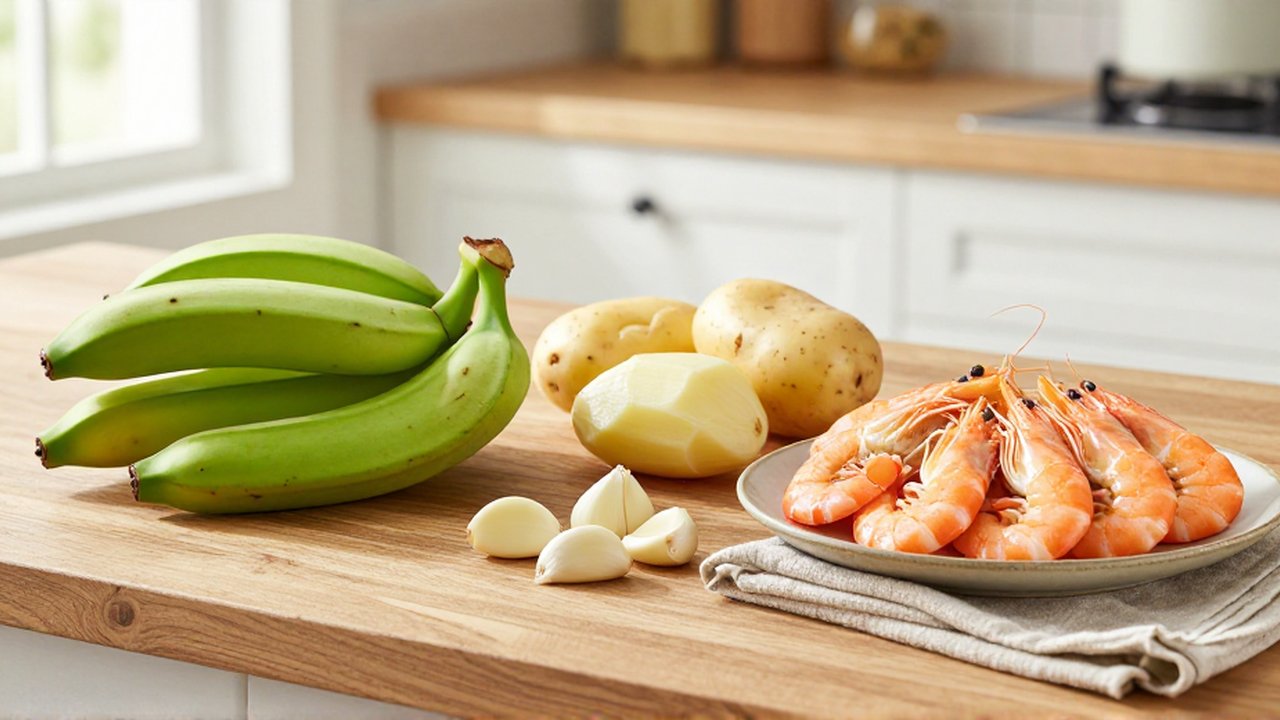
For the shrimp, look for large or jumbo shrimp (approximately 16 to 20 per pound) to ensure they hold up against the heavy texture of the mofongo. If you are buying frozen shrimp, ensure they are peeled and deveined, and allow them to thaw completely in the refrigerator before cooking to prevent a watery sauce.
For the Mofongo:
- 3 large green plantains (approximately 1.5 to 2 pounds)
- 1/2 cup garlic cloves, peeled (about 6-8 large cloves)
- 1/3 cup extra virgin olive oil (plus more for frying)
- 1/2 cup pork rinds, crushed (known as chicharrón) or thick-cut bacon bits
- 1 teaspoon salt (adjust to taste)
- Vegetable oil for frying (enough to submerge plantain chunks)
For the Garlic Shrimp (Camarones al Ajillo):
- 1 pound large shrimp, peeled and deveined
- 6 garlic cloves, minced
- 1/4 cup extra virgin olive oil
- 1/2 cup dry white wine (such as Sauvignon Blanc or Pinot Grigio)
- 1 tablespoon unsalted butter
- 1/2 teaspoon red pepper flakes (optional, for heat)
- 1 tablespoon fresh parsley, chopped
- Salt and black pepper to taste
- The juice of half a lime
Step-by-Step Cooking Instructions

Preparing this dish requires two distinct stages: frying and mashing the plantains, followed by sautéing the shrimp. To ensure food safety, handle your raw shrimp with care, washing them under cold water and drying them thoroughly with paper towels before they hit the pan. This prevents oil splatters and helps the shrimp sear rather than steam.
1. Prepare and Fry the Plantains:
Start by peeling the green plantains. To do this easily, cut off both ends, score the skin lengthwise with a knife, and use your fingers to peel the skin away. Cut each plantain into 1-inch thick rounds or cubes. In a heavy-bottomed pot or deep skillet, heat about 2 inches of vegetable oil to 350°F (175°C). Fry the plantain chunks in batches until they are golden brown on the outside but still tender on the inside. They should not be dark brown or crispy like chips; you want them "cooked through" but still yielding. Drain them on paper towels and set aside.
2. Mash the Mofongo:
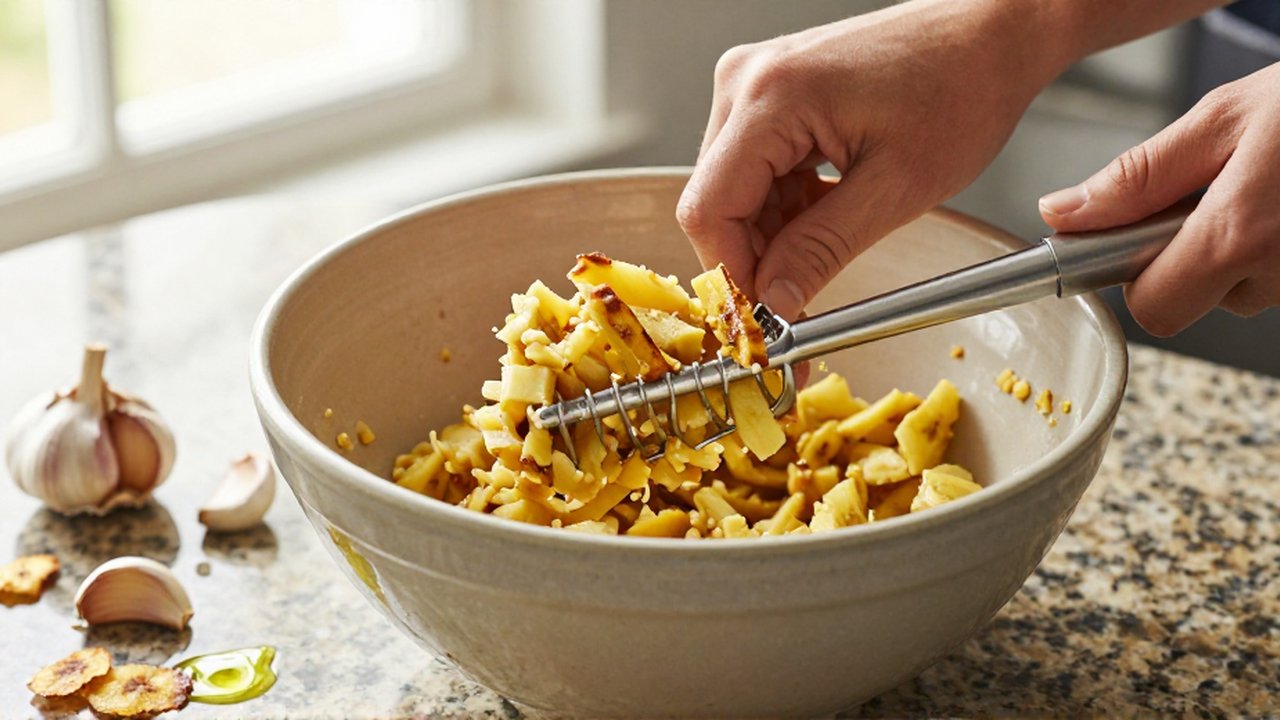
While the plantains are still warm, place them in a large bowl or a traditional pilón (a wooden mortar and pestle). Add the garlic cloves, olive oil, crushed pork rinds, and salt. Use the pestle to mash the plantains together with the seasonings. The goal is a texture that is mashed but still retains some small, tender chunks of plantain. If the mixture feels too dry, add a tablespoon more of olive oil. Once mashed, you can shape the mofongo into a ball or a mound on a serving plate.
3. Cook the Garlic Shrimp:
In a large skillet over medium-high heat, add the 1/4 cup of olive oil. Add the minced garlic and red pepper flakes, sautéing for about 1 minute until the garlic is fragrant but not burnt. Add the shrimp to the pan in a single layer. Season with salt and pepper. Cook the shrimp for about 2 minutes per side until they turn pink and opaque. Pour in the white wine and let it simmer for 2 to 3 minutes to reduce the liquid slightly.
4. Finishing the Sauce:
Lower the heat and stir in the unsalted butter and lime juice. The butter will emulsify with the wine and garlic oil to create a silky sauce. Add the fresh parsley and give it one final stir. Pour the entire contents of the skillet—shrimp and all that delicious garlic sauce—directly over the mound of mofongo.
Mastering Texture and Flavor Variations
One of the most common mistakes when making mofongo is over-mashing the plantains into a smooth purée. Traditional mofongo should have a certain "bite" or structural integrity. If you find your mofongo is becoming too mushy, it may be because the plantains were fried for too long or because you added too much oil during the mashing process. To prevent this, always add your oil and salt incrementally, tasting as you go.
Variations are common throughout Puerto Rican households. Some families prefer to add finely diced bell peppers or onions to the mash for extra color and moisture. Another popular variation involves adding cheese, such as crumbled queso fresco or even shredded Monterey Jack, into the warm mash to create a "Mofongo Relleno" (stuffed mofongo). For the shrimp, if you prefer a creamier texture, you can stir in 1/4 cup of heavy cream at the same time you add the butter, creating a garlic cream sauce that clings beautifully to the plantains.
Frequently Asked Questions
Can I make the mofongo ahead of time?
You can fry and mash the plantains a few hours in advance, but they are best served immediately while warm. If you must make them ahead of time, store them in an airtight container at room temperature for up to two hours or in the refrigerator. However, rewarming mofongo can be tricky; the best way to reheat it is to place it in a warm oven (about 300°F) for 10 minutes to restore some of its texture without making it soggy.
What if I don't have a wooden mortar and pestle (pilón)?
A pilón is the traditional tool, but it is not strictly necessary. You can achieve a very similar result using a large heavy-duty mixing bowl and a potato masher. While you won't get the exact same distribution of garlic and oil that a heavy wooden pestle provides, a potato masher will work perfectly for a home kitchen setting.
How should I store leftovers?
If you have leftover shrimp and mofongo, store them in separate airtight containers in the refrigerator. Because of the garlic and oil, the flavors will intensify over time. Reheat the shrimp in a skillet over medium heat to keep the sauce fluid, and reheat the mofongo in the oven or a microwave with a damp paper towel draped over it to prevent the plantains from drying out. Always ensure seafood is reheated to an internal temperature of 145°F (63°C) for safety.
Leave a Reply
Related posts