
How to Make Salvadoran Scrambled Eggs with Chorizo

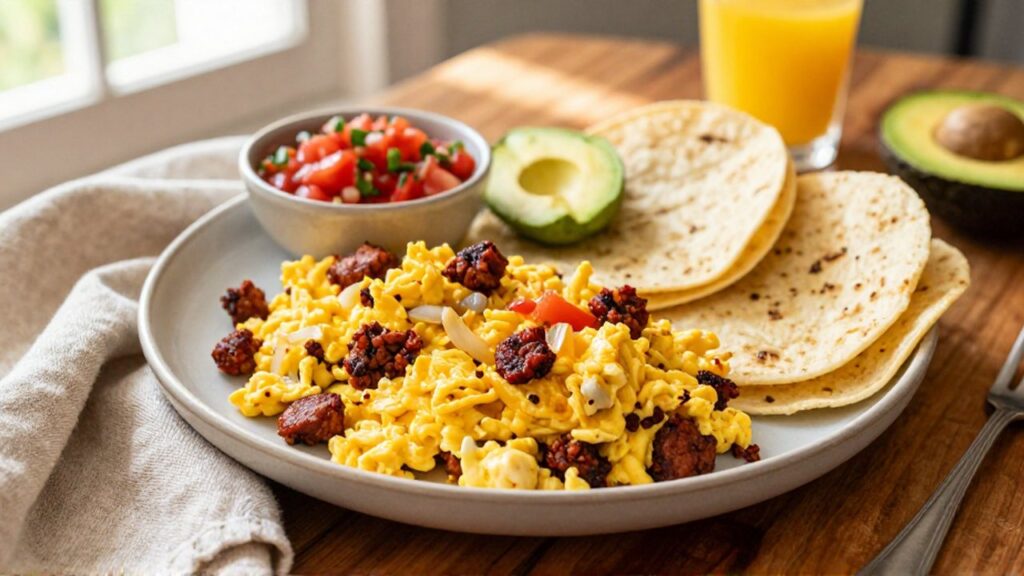
Salvadoran scrambled eggs with chorizo, often referred to as huevos con chorizo, is a vibrant, protein-rich breakfast dish that brings the bold flavors of Central America to your morning routine. In El Salvador, breakfast is often a hearty affair designed to provide energy for the day ahead, and this combination of eggs and spiced sausage is a staple of home-cooked meals. The dish consists of soft, creamy eggs scrambled together with flavorful, crumbled chorizo, often accompanied by aromatics like onions and tomatoes to balance the richness of the meat.
For the American home cook, this recipe is an excellent way to elevate a standard breakfast without requiring specialized equipment or hard-to-find ingredients. Most of the components—eggs, onions, tomatoes, and chorizo—are readily available in any local supermarket. While the specific spice profile of Salvadoran chorizo may vary, the technique of frying the meat to render its fat before adding the eggs is universal. This guide will walk you through the traditional method of preparing this dish, offering tips on ingredient selection, flavor balance, and how to serve it to create a complete, satisfying breakfast.
Selecting Your Ingredients
The quality of your huevos con chorizo depends heavily on the type of chorizo you choose. In the United States, you will likely encounter two main varieties in the meat aisle or the international section: Spanish chorizo and Mexican-style chorizo. Spanish chorizo is a cured, firm sausage seasoned with smoked paprika (pimentón); it is usually sold in links and has a much firmer texture. Mexican-style chorizo, however, is a fresh, raw sausage with a soft, spreadable consistency that is heavily seasoned with garlic, vinegar, and various dried chilies.
For this specific Salvadoran-style preparation, the fresh, raw variety (often labeled as "Mexican chorizo") is the preferred choice. This is because the meat needs to be crumbled and fried in the pan to release its oils and spices, which then coat the eggs. If you can find a brand that leans toward a milder, garlic-forward profile, that will work beautifully. If you prefer a more robust, smoky flavor, you can find links of cured chorizo, but you should finely dice them and accept that they will provide a "pop" of texture rather than a soft, integrated meatiness.
In addition to the meat, your aromatics are essential for cutting through the fat. A medium-sized white or yellow onion provides a necessary sweetness when sautéed, and a ripe tomato adds moisture and a subtle acidity. If you want to add more depth, a small amount of green bell pepper or even a bit of fresh cilantro added at the very end can brighten the dish. Always ensure your eggs are at room temperature if possible, as they will cook more evenly when they hit the warm pan.
Ingredients and Yield

This recipe is scaled to serve two hungry adults as a main breakfast course.
- 4 large eggs
- 4 to 6 ounces (115 to 170 grams) of raw, fresh chorizo (remove from casing if necessary)
- 1/2 medium white onion, finely diced
- 1 medium Roma tomato, finely diced
- 1 tablespoon vegetable oil or butter (only if the chorizo is very lean)
- 1/4 teaspoon salt (adjust to taste, as chorizo is often salty)
- 1/8 teaspoon black pepper
- Optional: 1 tablespoon chopped fresh cilantro for garnish
- Optional: Warm corn tortillas or toasted bread for serving
Step-by-Step Cooking Instructions
-
Prepare the aromatics and meat: Begin by dicing your onion and tomato. Since the cooking process is relatively fast, having all your ingredients measured and chopped beforehand—a practice known as mise en place—will prevent the eggs from overcooking while you chop. Remove the chorizo from its casing and set it aside.
-
Brown the chorizo: Place a medium non-stick skillet over medium heat. Add the crumbled chorizo to the cold or slightly warm pan. As the pan heats up, the fat will begin to render out of the meat. Use a wooden spoon or spatula to break the meat into small, bite-sized crumbles. Cook the chorizo for about 5 to 7 minutes, stirring occasionally, until it is fully cooked through and has turned a deep reddish-orange from the spices.
-
Sauté the vegetables: Once the chorizo is browned, add the diced onion to the pan with the meat and its rendered fat. Sauté for 3 to 4 minutes until the onion becomes translucent and soft. Add the diced tomatoes and continue to cook for another 2 minutes. The tomato will begin to break down, creating a slight sauce that will help bind the eggs and meat together. If the pan looks too dry, you can add a teaspoon of oil or butter, but usually, the chorizo fat is sufficient.
-
Cook the eggs: In a small bowl, crack the four eggs and whisk them lightly with the salt and pepper. Turn the heat down to medium-low. Pour the whisked eggs into the skillet with the chorizo and vegetable mixture. Let the eggs sit undisturbed for about 30 seconds to allow the bottom to set slightly.
-
Scramble and finish: Using a spatula, gently fold the eggs into the meat and vegetable mixture. Avoid over-stirring; you want large, soft curds rather than a completely pulverized texture. Continue folding gently for 2 to 3 minutes until the eggs are just set but still look moist. If they look too dry, remove them from the heat immediately, as the residual heat from the pan will continue to cook them.
-
Garnish and serve: Transfer the scrambled eggs to plates. If desired, sprinkle with fresh cilantro. Serve immediately while hot.
Serving Suggestions and Variations

To transform these eggs into a complete meal, consider how you serve them. In a traditional Salvadoran home, these eggs might be accompanied by frijoles refritos (refried beans) and perhaps some fried plantains (plátanos fritos) to add a sweet contrast to the savory meat. For a simpler, more modern approach, serving the eggs alongside thick slices of toasted sourdough or warm, corn tortillas is highly effective. The tortillas are particularly useful for making small tacos with the egg and chorizo filling.
If you prefer a bit of heat, you can serve the dish with a side of salsa picante (hot sauce) or sliced fresh jalapeños. For a lighter version, you can increase the ratio of vegetables by adding more tomatoes or even diced zucchini or bell peppers to the pan. If you are cooking for children or those who prefer a milder flavor, ensure you use a chorizo that is not overly spicy and rely more on the sweetness of the sautéed onions to carry the flavor.
Frequently Asked Questions
Can I use Spanish chorizo instead of Mexican-style chorizo?
Yes, you can, but the texture will be different. Because Spanish chorizo is cured and firm, it will not "melt" into the eggs. You should dice it into very small cubes and fry it first to ensure it is heated through and slightly softened. Note that Spanish chorizo is often much saltier and smokier, so you may want to reduce the amount of additional salt you add to the eggs.

How do I store leftovers?
Leftover huevos con chorizo can be stored in an airtight container in the refrigerator for up to two days. When reheating, it is best to use a skillet over medium-low heat with a tiny splash of water or milk to help restore the moisture to the eggs, as eggs tend to become rubbery when microwaved.
My chorizo didn't release much fat. Should I add oil?
Yes. Some brands of chorizo are leaner than others. If the meat appears dry after a few minutes of cooking, add a tablespoon of vegetable oil or butter. This fat is essential for sautéing the onions and tomatoes and for providing the necessary medium to cook the eggs smoothly.
Leave a Reply
Related posts