
Homemade Central American Oatmeal with Cinnamon and Milk


Homemade Central American oatmeal, often referred to in various regions as avena con leche (oatmeal with milk), is a comforting, warm breakfast staple that bridges the gap between a quick morning meal and a deeply nostalgic ritual. While many American households are accustomed to instant oatmeal packets or quick-cooking oats that require only a splash of milk, the Central American version is characterized by its creamy, almost custard-like consistency and the pervasive, aromatic warmth of cinnamon. This is a dish that relies on slow cooking to coax out the natural sweetness of the grains and the richness of the dairy.
For the home cook in the United States, mastering this recipe offers a way to transform basic pantry staples—rolled oats, cinnamon, and milk—into something much more substantial and soulful. This article provides a comprehensive guide to making a traditional, creamy version of this breakfast. You will learn how to achieve the perfect texture, how to balance the spices, and how to adapt the recipe based on the type of milk or sweetener you prefer. Whether you are looking to recreate a childhood memory or simply want a more satisfying alternative to processed breakfast cereals, this guide covers everything from the initial simmer to the final garnish.
Understanding the Texture and Ingredients
The soul of a great avena con leche lies in its texture. In Central American cooking, the goal is rarely a thin, watery porridge. Instead, the objective is a thick, velvety consistency that coats the back of a spoon. To achieve this, the choice of oats is crucial. While "instant" or "quick" oats can be used in a pinch, they tend to disintegrate into a mushy paste. For the best results, use old-fashioned rolled oats. These provide enough structure to maintain a slight chewiness while still softening sufficiently to create a creamy base.
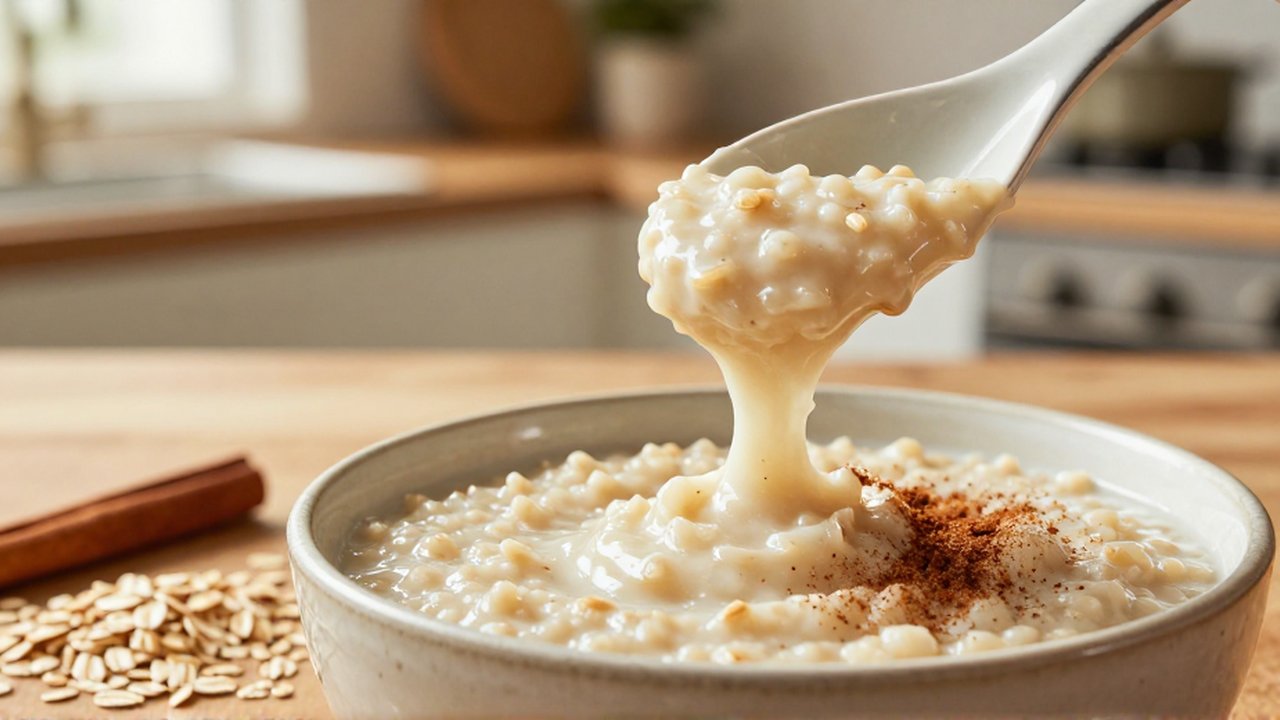
The liquids used are just as important as the grains. Traditionally, whole milk is the standard because the fat content contributes to the luxurious mouthfeel. If you are looking for dairy-free alternatives commonly found in US supermarkets, oat milk is an excellent substitute as it harmonizes with the flavor of the oats, though unsweetened almond milk can also work if you adjust the sweetener slightly. Cinnamon is the secondary pillar of this dish. We recommend using whole Ceylon cinnamon sticks during the simmering process to infuse the liquid with a deep, woody aroma, rather than relying solely on ground cinnamon, which can sometimes make the texture feel slightly gritty.
To prepare this recipe, you will need the following ingredients:
- 1 cup old-fashioned rolled oats
- 4 cups whole milk (or a preferred dairy alternative such as oat milk)
- 1 large cinnamon stick (approximately 3 inches long)
- 1/4 teaspoon salt (to enhance the natural sweetness)
- 1/4 cup granulated sugar, brown sugar, or honey (adjust to your preferred sweetness)
- 1/2 teaspoon pure vanilla extract
- 1/4 teaspoon ground cinnamon (for dusting)
- Optional: A pinch of nutmeg or a few raisins
Step-by-Step Cooking Instructions
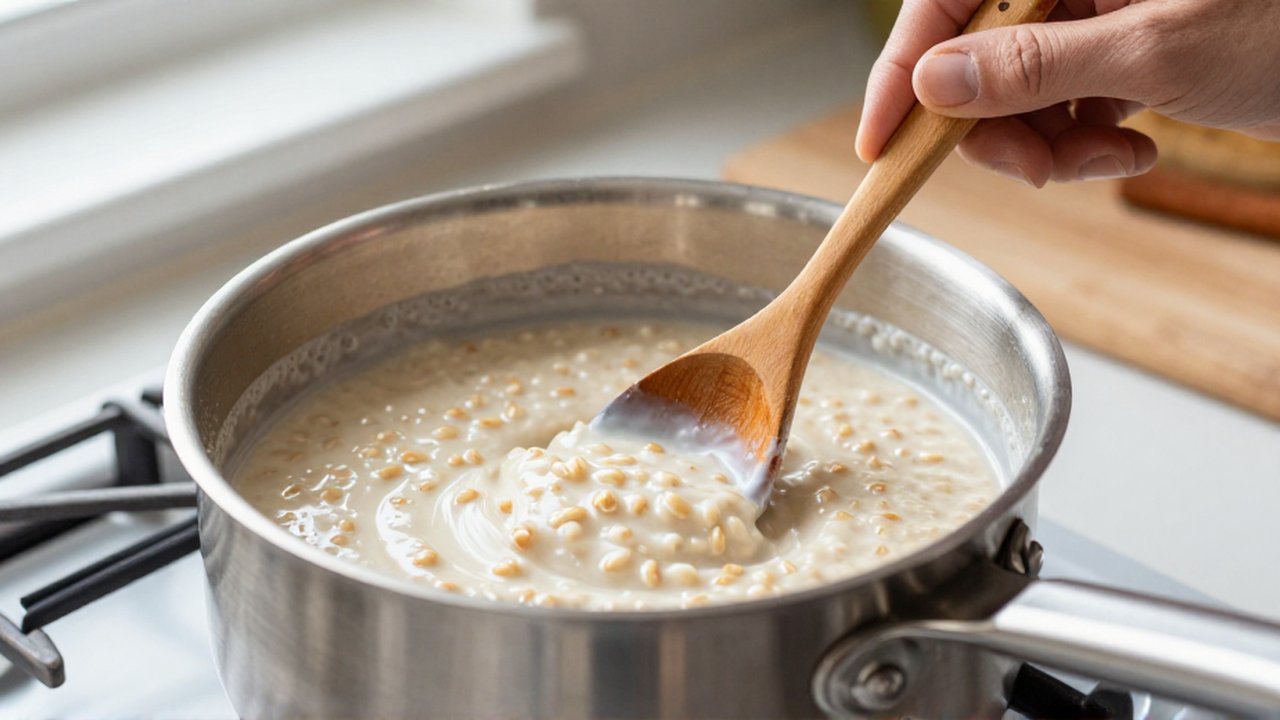
Preparing this oatmeal requires patience rather than complex skill. The process is slow and steady, ensuring that the milk does not scorch at the bottom of the pot, which can impart a burnt flavor to the entire batch. Follow these steps to ensure a consistent, creamy result every time.
- Infuse the Milk: In a medium-sized heavy-bottomed saucepan, combine the 4 cups of milk and the whole cinnamon stick. Place the pan over medium heat. It is important to stir occasionally as the milk warms to prevent it from sticking to the bottom. Bring the milk to a gentle simmer—this means you see small bubbles forming around the edges of the pan, but the liquid is not yet at a rolling boil.
- Add Oats and Salt: Once the milk is simmering, carefully pour in the 1 cup of rolled oats and the 1/4 teaspoon of salt. Reduce the heat to low. The salt is a vital component here; it doesn't make the oatmeal salty, but rather acts as a flavor enhancer that makes the sweetness of the milk and cinnamon pop.
- Simmer and Stir: Allow the oats to simmer gently for about 10 to 15 minutes. This is the most critical stage. You must stir the mixture every few minutes with a wooden spoon. As the oats absorb the milk, they will release starches that thicken the liquid. If the mixture begins to look too thick or you fear it might stick, you can add an extra 1/4 cup of milk.
- Sweeten and Flavor: Once the oats have reached your desired thickness and are tender, stir in your chosen sweetener (sugar, brown sugar, or honey) and the vanilla extract. Continue to cook for another 1–2 minutes to ensure the sweetener is fully incorporated and the heat is even.
- Final Touch: Remove the pan from the heat. Remove and discard the cinnamon stick. Pour the oatmeal into individual bowls. For the authentic finish, sprinkle a light dusting of ground cinnamon over the top.
Customizing Your Breakfast
One of the joys of home cooking is the ability to adapt a base recipe to your specific pantry and palate. While the recipe above is the classic standard, there are several ways to elevate the dish or modify it for dietary preferences. For instance, if you prefer a more textured experience, you can add a handful of raisins or sliced almonds during the last five minutes of simmering. Raisins, in particular, are a common addition in many Latin American households, providing little bursts of sweetness that complement the spiced milk.
If you find the oatmeal is too thick by the time you sit down to eat, do not be discouraged. Oatmeal continues to thicken as it cools due to the starch in the oats. You can easily thin it out by stirring in a splash of warm milk right before serving. For those who enjoy a bit of contrast, a topping of fresh tropical fruits like sliced bananas or mango can provide a bright, acidic counterpoint to the heavy, creamy base. If you prefer a deeper, more caramel-like flavor, swap the white granulated sugar for dark brown sugar or even a drizzle of agave nectar.
Frequently Asked Questions
Can I make this oatmeal ahead of time for meal prepping?
Yes, you can certainly make this oatmeal in advance. However, keep in mind that it will thicken significantly as it sits in the refrigerator. When reheating, it is best to do so on the stove over low heat, adding a small amount of milk to bring it back to its original creamy consistency. Avoid reheating in a microwave for long periods at high power, as this can cause the milk to boil over or the texture to become uneven.

What is the best way to prevent the milk from burning?
The most common mistake when making avena con leche is using heat that is too high. Always use a heavy-bottomed saucepan, as these distribute heat more evenly and reduce "hot spots" that cause scorching. Additionally, never walk away from the pot; constant, gentle stirring is your best defense against the oats and milk settling and burning at the bottom.
Is it possible to use instant oats for this recipe?
While you can use instant oats, the result will be much softer and less substantial. If you choose to use them, reduce the simmering time significantly—likely to only 3 to 5 minutes—and be aware that the dish will behave more like a thick pudding than a hearty porridge. For the most authentic Central American experience, rolled oats are highly recommended.
Leave a Reply
Related posts