
How to Make a Rich Chicken Consomé with Fresh Aromatics


A proper consomé de pollo (chicken consommé) is a cornerstone of Latin American home cooking. Often served as a comforting starter or a soothing midday meal, this clear, flavorful broth is far more than just "chicken soup." While a standard chicken soup typically features large chunks of meat and vegetables served together in a single bowl, a true consomé focuses on the clarity and intensity of the liquid itself. It is a concentrated essence of chicken, carefully extracted through slow simmering and flavored with a specific bouquet of fresh aromatics.
For the American home cook, mastering this dish offers a way to elevate the pantry staples found in any local supermarket into something deeply soul-warming. You do not need specialized imported goods to achieve an authentic flavor profile; instead, the secret lies in the technique of skimming, the selection of fresh herbs, and the patience applied during the cooking process. This guide will walk you through the essential steps to create a golden, transparent, and deeply aromatic broth that can serve as the foundation for many other dishes or be enjoyed on its own with a squeeze of lime and a pinch of salt.
The Foundation of a Clear and Flavorful Broth
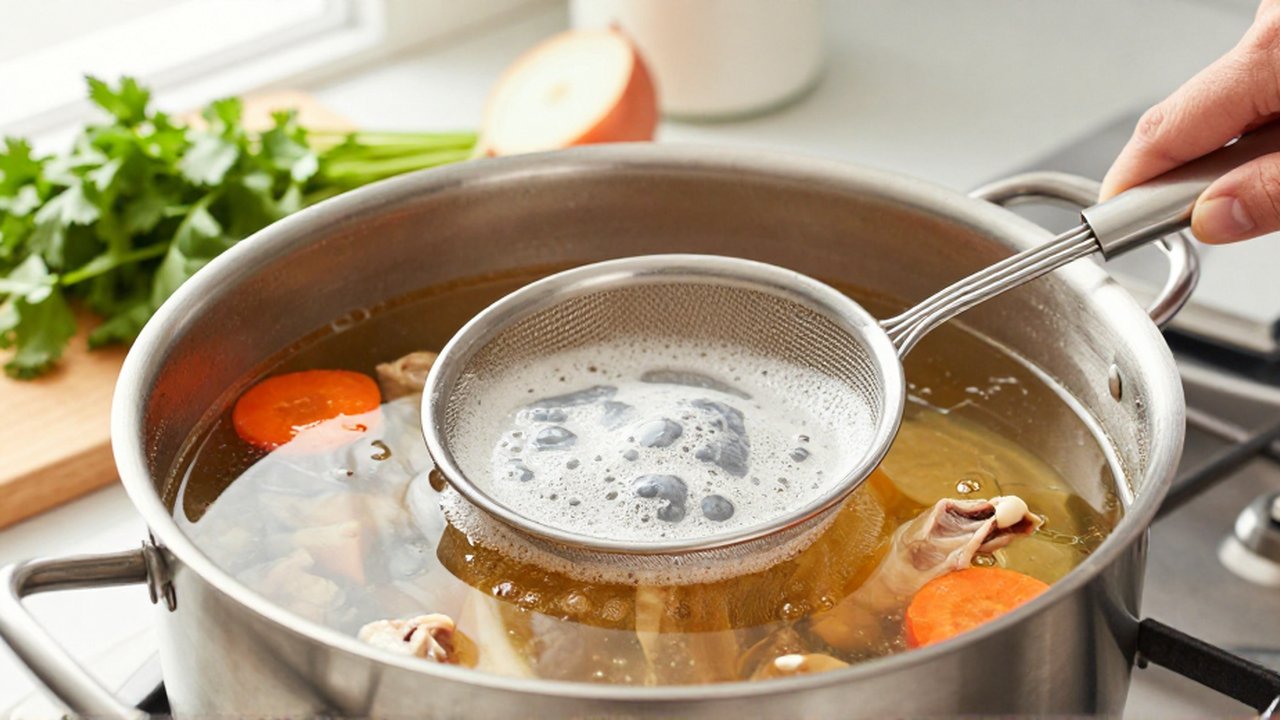
The primary goal when making consomé is to achieve a liquid that is both flavorful and crystal clear. In many Latin American households, the quality of the consomé is judged by its color—a deep, warm amber—and its lack of cloudiness. To achieve this, you must start with high-quality ingredients and pay close attention to the temperature of the water. If you boil the chicken too vigorously, the fats and proteins will emulsify into the liquid, resulting in a cloudy, murky soup rather than a refined consommé.
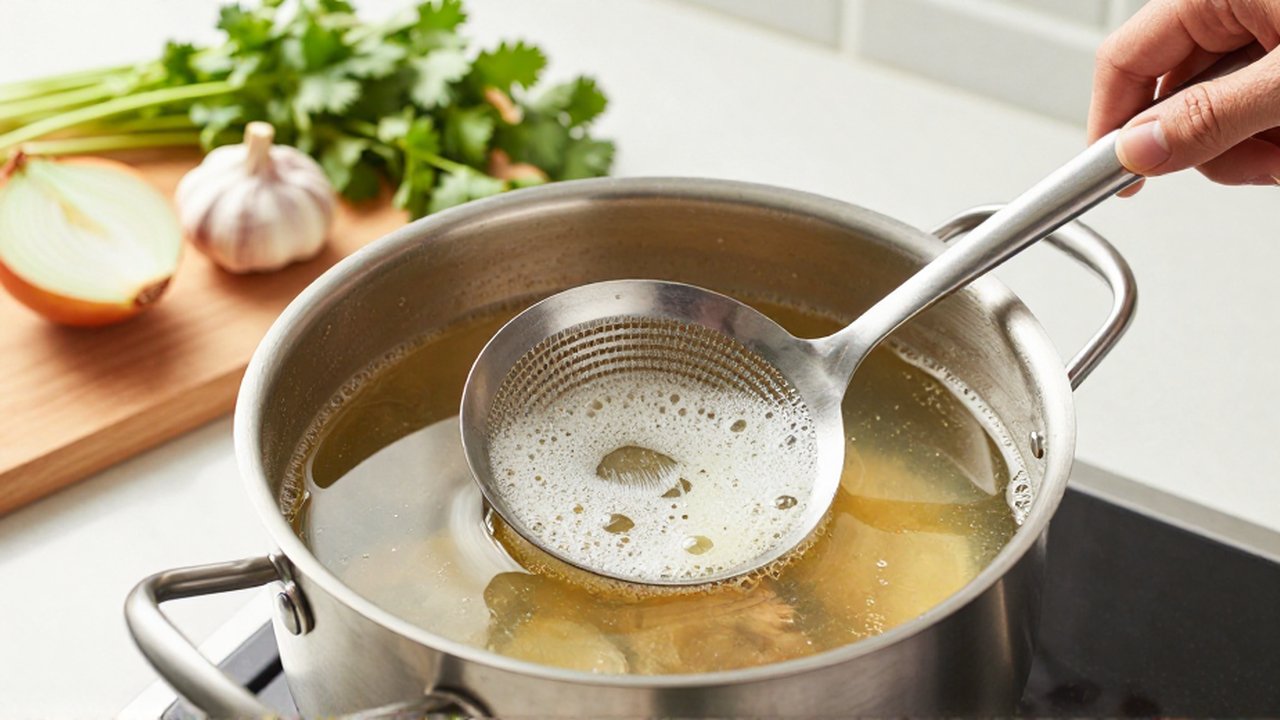
To begin, use a whole chicken or a combination of bone-in chicken pieces. The bones are where the gelatin and deep savory notes reside. For the most robust flavor, ensure the chicken is placed in cold water at the start of the process. As the water heats up, impurities and proteins will rise to the surface in the form of grayish foam. This is the most critical stage for a cook: you must use a fine-mesh spoon to skim this foam off continuously. This process, often referred to as "depurating" the broth, ensures that the final result is clean and elegant.
Beyond the meat, the aromatic profile defines the character of the dish. While much of the world uses a mirepoix (onions, carrots, and celery), Latin American versions often lean heavily on the brightness of cilantro and the subtle earthiness of certain vegetables. By layering these aromatics at specific times, you prevent them from becoming mushy or overwhelming the delicate taste of the poultry.
Essential Ingredients and Substitutions

To make approximately 8 to 10 cups (1.9 to 2.4 liters) of consomé, you will need the following ingredients. Most of these are staples found in the produce and meat aisles of any standard US grocery store.
- 3 pounds (1.36 kg) bone-in chicken pieces (a whole chicken broken down is ideal, or use a mix of thighs, drumsticks, and a carcass).
- 1 large white onion, peeled and halved.
- 2 medium carrots, peeled and cut into large chunks.
- 2 stalks of celery, cut into large chunks.
- 3 cloves of garlic, smashed but left whole.
- 1 small bunch of fresh cilantro (coriander), tied with kitchen twine for easy removal.
- 1 small bunch of fresh parsley, tied with kitchen twine.
- 1 teaspoon whole black peppercorns.
- 2 bay leaves.
- 10 cups (2.4 liters) of cold water.
- Salt, to taste (approximately 1 to 2 tablespoons, added gradually).
- Optional for serving: Fresh lime wedges, finely chopped cilantro, and toasted corn tortilla strips.
If you cannot find a whole chicken at your supermarket, you can use bone-in, skin-on chicken thighs and drumsticks. Avoid using skinless, boneless meat, as it lacks the collagen necessary to give the broth body. For the herbs, if fresh cilantro is unavailable, flat-leaf parsley is a functional substitute, though it will lack the specific citrusy note that characterizes a traditional Latin American consomé. Similarly, if you prefer a slightly different aromatic profile, a small piece of ginger can be added to the pot to provide a subtle warmth, though this moves toward an Asian-inspired profile rather than a traditional Latin one.
Step-by-Step Cooking Instructions
Follow these steps carefully to ensure the broth remains clear and the flavors remain balanced.
- Prepare the Chicken and Pot: Place the chicken pieces into a large stockpot. Pour the 10 cups of cold water over the chicken, ensuring everything is fully submerged. Do not use hot water to start, as this can "lock in" impurities and cause cloudiness.
- The Initial Simmer and Skimming: Place the pot over medium-high heat. As the water reaches a simmer, you will notice a foam rising to the surface. Use a fine-mesh skimmer or a large spoon to remove this foam. Continue to skim for the first 15 to 20 minutes until the water is relatively clear.
- Adding the Aromatics: Once the surface is clear, reduce the heat to low. Add the onion, carrots, celery, garlic, peppercorns, bay leaves, and the tied bundles of cilantro and parsley. The heat should be a very gentle simmer—just a few bubbles breaking the surface at a time.
- Slow Cooking: Cover the pot partially with a lid to allow some evaporation while retaining moisture. Let the mixture simmer gently for at least 90 minutes to 2 hours. If the liquid level drops too low, add a little more warm water to keep the chicken submerged.
- Straining for Clarity: Once the chicken is tender and the vegetables are soft, carefully remove the chicken pieces and the aromatic bundles with tongs. Place a fine-mesh strainer over a large bowl and pour the liquid through it. For an even clearer consommé, line the strainer with cheesecloth.
- Final Seasoning: Return the strained liquid to a clean pot. Taste the broth. It will likely need salt to bring the flavors of the chicken and herbs to life. Add salt gradually, tasting as you go.
- Serving: To serve, you can either shred the cooked chicken and place it in a bowl, then pour the hot broth over it, or serve the liquid alone as a starter. Always serve with fresh lime wedges on the side; the acidity of the lime cuts through the richness of the chicken and brightens the aromatics.
Managing Leftovers and Storage
Because a consomé is a concentrated liquid, it is highly susceptible to spoilage if not handled correctly. Once the broth has cooled to room temperature, transfer it to airtight containers. In the refrigerator, a well-made consomé will stay fresh for up to 3 to 4 days.
If you have made a large batch, the freezer is your best friend. Pour the broth into freezer-safe bags or containers, leaving about an inch of space at the top to allow for expansion. Properly stored, the broth will maintain its flavor for up to 3 months. When reheating, do so gently on the stove. Avoid boiling the broth aggressively when reheating, as this can cloud the liquid you worked so hard to clear.
For food safety, always ensure that the chicken used in the broth has been cooked to an internal temperature of 165°F (74°C). When reheating leftovers, ensure the liquid reaches a full boil or a steaming hot temperature throughout before serving.
Frequently Asked Questions
Can I use store-bought chicken broth instead of making it from scratch?
While you can use store-bought broth as a base, it will not have the same depth of flavor or the specific aromatic profile of a homemade consomé. If you must use store-bought broth, supplement it by simmering it with your fresh onion, garlic, cilantro, and parsley for at least 30 minutes to "freshen" the flavor.
Why is my consommé cloudy?
Cloudiness is usually caused by one of two things: boiling the broth too vigorously or failing to skim the impurities (the foam) off the top during the early stages of cooking. For a clear result, maintain a very gentle simmer and be diligent with your skimmer.
Can I add vegetables directly into the bowl?
In a traditional consomé, the vegetables used for flavoring are strained out. However, many home cooks like to add small, finely diced cooked carrots or even small pieces of avocado to the bowl when serving. This is a common variation and is perfectly acceptable for a home-style meal.
Leave a Reply
Related posts