
Flan Recipe: How to Make Creamy Caramel Custard at Home

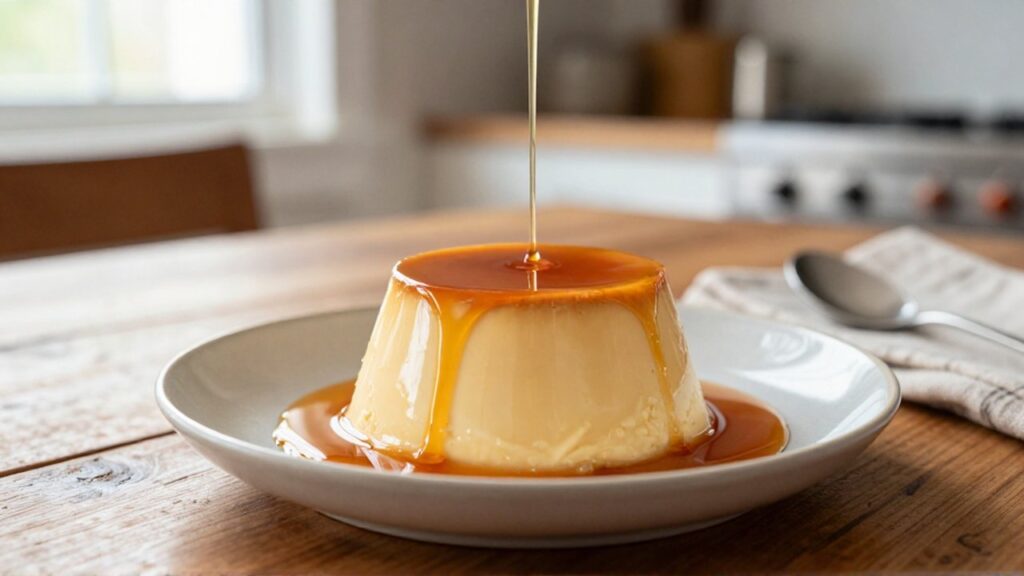
Flan is a quintessential Latin American dessert consisting of a silky, cooked custard topped with a layer of clear caramel sauce. While many variations exist across the Caribbean, Mexico, and South America, the core essence remains the same: a rich, egg-based custard that is baked gently, often in a water bath, to achieve a melt-in-your-mouth texture. For a home cook in the United States, flan is an incredibly rewarding dessert to master because it relies on pantry staples like eggs, milk, and sugar, yet delivers a result that feels sophisticated and elegant.
The magic of a perfect flan lies in the contrast between the slightly bitter, golden caramel and the sweet, creamy custard beneath. Because it requires a bit of patience—specifically during the baking and chilling stages—it is the perfect dessert to prepare a day in advance. This guide will walk you through the traditional method of making flan from scratch, providing precise measurements and professional techniques to ensure your custard sets perfectly without air bubbles or a rubbery texture. Whether you are hosting a dinner party or simply craving a nostalgic treat, this recipe provides a reliable foundation for a classic homemade flan.
The Secret to a Perfect Caramel
The foundation of any great flan is the caramel. Unlike a thick caramel sauce used for topping ice cream, a flan caramel must be liquid enough to coat the bottom of your mold so that, once the flan is inverted onto a plate, the sauce flows down the sides like a golden glaze. This process begins by melting granulated sugar in a saucepan over medium heat. As the sugar dissolves and begins to change color, it transforms from white crystals to a deep amber liquid.
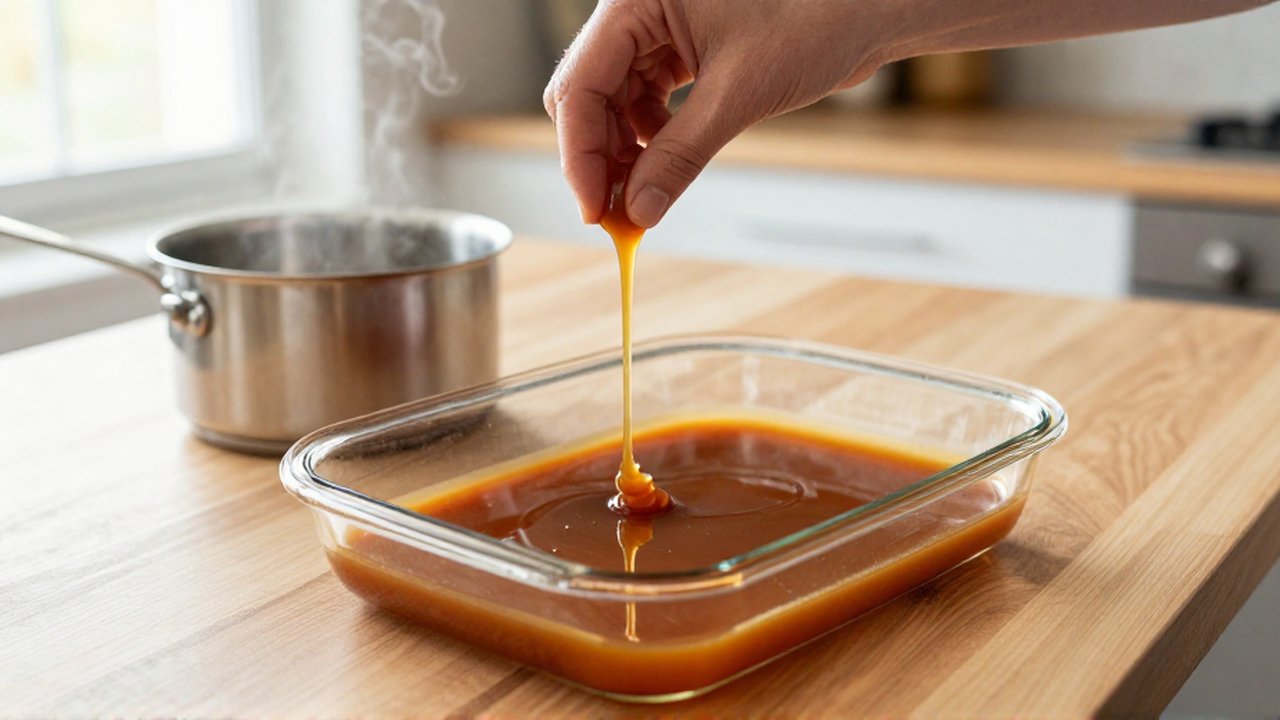
Precision is vital during this stage. If the sugar is removed from the heat too early, the caramel will be pale and overly sweet; if left too long, it will turn dark brown and taste burnt. To achieve the ideal golden hue, watch the sugar closely as it bubbles. Once it reaches a rich amber color, immediately pour it into your baking dish (such as a cake pan or individual ramekins) and swirl it to coat the bottom. Be extremely careful, as molten sugar is significantly hotter than boiling water and can cause severe burns.
For those who find working with pure melted sugar intimidating, you can create a "wet caramel" by adding a small amount of water to the sugar in the pan before heating. This helps the sugar dissolve more evenly and reduces the risk of crystallization, though it may take a few extra minutes to reach the desired thickness. Once poured into the mold, the caramel will harden quickly, forming a solid layer that will turn back into a delicious sauce once the custard is baked and released.
Ingredients for Classic Creamy Flan
To ensure success, use high-quality ingredients. Since the custard is essentially a mixture of dairy and eggs, the freshness of these items will directly impact the final flavor and structural integrity of your dessert. This recipe is scaled for a standard 9-inch round cake pan or approximately 6 to 8 individual ramekins.
- 1 cup granulated sugar (for the caramel)
- 3 large eggs
- 1 can (14 ounces / 400 grams) sweetened condensed milk
- 1 can (12 ounces / 355 ml) evaporated milk
- 1 teaspoon vanilla extract
- 1/4 teaspoon salt
- 1/2 cup whole milk (optional, for a lighter texture; substitute with more evaporated milk if you prefer a denser flan)
In US supermarkets, finding sweetened condensed milk and evaporated milk is very easy, as they are staples in the baking aisle. Sweetened condensed milk provides the essential sweetness and a heavy, creamy body, while evaporated milk offers a concentrated milk flavor without the excess water found in regular milk. If you cannot find evaporated milk, you may substitute it with heavy cream, though the texture will be significantly richer and heavier.
Step-by-Step Instructions
Preparing flan involves two distinct stages: making the caramel and preparing the custard. Following these steps in order is crucial for a successful result.
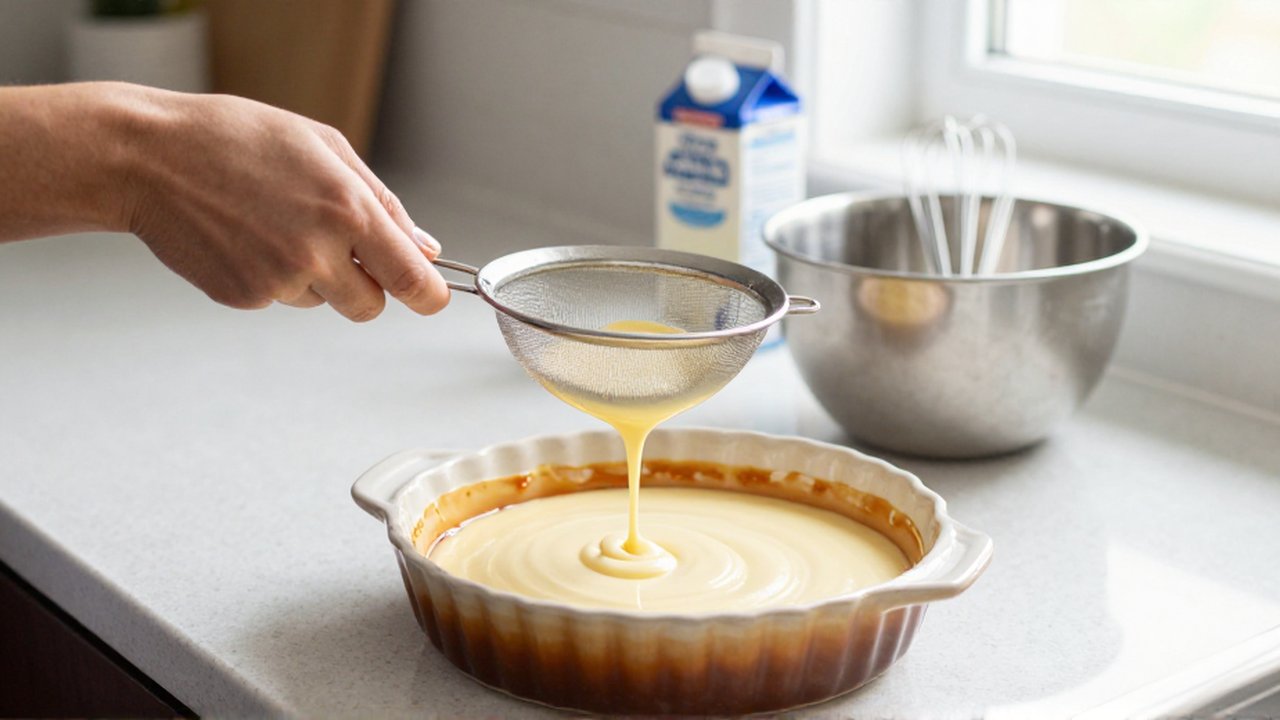
- Prepare the Caramel: Place 1 cup of granulated sugar in a small saucepan over medium heat. Do not stir the sugar with a spoon; instead, gently swirl the pan to distribute the heat. Once the sugar has completely melted and turned a deep amber color, immediately pour it into your 9-inch baking dish or individual ramekins. Tilt the pan to ensure the bottom is evenly coated. Set the dish aside to let the caramel harden.
- Mix the Custard: In a large mixing bowl, whisk the 3 eggs gently. You want to combine them without incorporating too much air; avoid vigorous whisking that creates foam, as bubbles in the custard will result in a porous, uneven texture.
- Combine Dairy and Aromatics: Add the sweetened condensed milk, evaporated milk, vanilla extract, and salt to the eggs. Whisk until the mixture is completely smooth and the ingredients are well incorporated.
- Strain the Mixture: This is a professional tip that makes a significant difference. Pour the custard mixture through a fine-mesh sieve into a pitcher or directly into the caramel-lined baking dish. Straining removes any small bits of cooked egg or air bubbles, ensuring a silky-smooth consistency.
- Set Up the Water Bath (Baño María): Preheat your oven to 325°F (165°C). Place your baking dish containing the custard into a larger, deep roasting pan. Pour hot water into the roasting pan until it reaches halfway up the sides of the flan dish. This "Baño María" method allows the custard to cook gently and evenly using steam, preventing the edges from overcooking while the center remains liquid.
- Bake: Place the roasting pan in the oven and bake for 50 to 60 minutes (for a large pan) or 30 to 40 minutes (for ramekins). The flan is done when the edges are set, but the center still has a slight, gelatinous jiggle when shaken gently.
- Cool and Chill: Remove the baking dish from the water bath and let it cool to room temperature on a wire rack. Once cooled, cover the dish with plastic wrap and refrigerate for at least 4 hours, though overnight is highly recommended. This chilling period is essential for the custard to fully set and for the caramel to liquefy into a sauce.
- Unmold: To serve, run a thin knife around the edges of the dish to loosen the custard. Place a large serving plate upside down over the baking dish, then quickly and confidently flip the two containers over. The flan should slide out, with the liquid caramel cascading over the sides.
Troubleshooting and Storage
If your flan comes out a bit runny, it likely didn't bake long enough or wasn't chilled sufficiently. If it feels rubbery or has many small holes throughout, the oven temperature may have been too high, or the eggs were whisked too aggressively, introducing too much air. The goal is a texture that is firm enough to hold its shape when sliced but soft enough to melt on the tongue.
To store your flan, keep it in an airtight container in the refrigerator. Because it is a dairy-based dessert, it should not be left at room temperature for extended periods. A well-made flan will stay fresh and delicious for up to 4 to 5 days when refrigerated. Avoid freezing the flan, as the dairy and egg structure may break down upon thawing, resulting in a watery consistency rather than a creamy one.
Frequently Asked Questions
Can I make flan in an Instant Pot or pressure cooker?
Yes, you can use a pressure cooker to create a water bath. Use the "steam" or "pressure cook" function with a small amount of water in the bottom of the pot, placing your flan dish inside a trivet. However, keep a close eye on the timing, as pressure cooking is much faster than traditional oven baking.
Why is my caramel hard and stuck to the bottom of the pan?
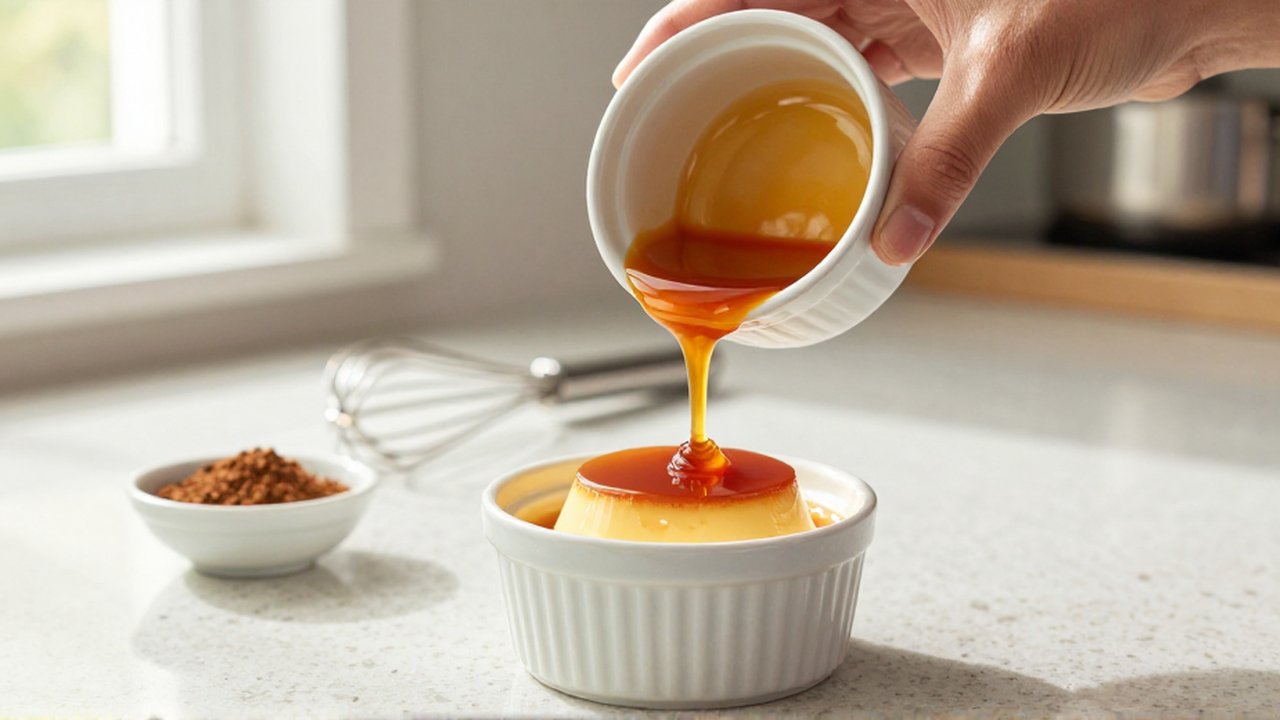
This is normal. When the flan is chilled and then unmolded, the moisture from the custard seeps into the hardened caramel, turning it back into a liquid sauce. If your caramel is not liquefying, ensure you have allowed the flan to chill in the refrigerator for a full six hours or overnight.
Can I add flavors like coffee or chocolate to the custard?
Absolutely. To make a coffee flan, whisk 1 tablespoon of instant espresso powder into the milk mixture. For chocolate, you can melt a small amount of high-quality chocolate into the warm evaporated milk before mixing it with the eggs. These variations are common in many Latin American households and offer a wonderful way to customize the recipe.
Leave a Reply
Related posts