
How to Make Fluffy Mexican Conchas with Vanilla Sugar

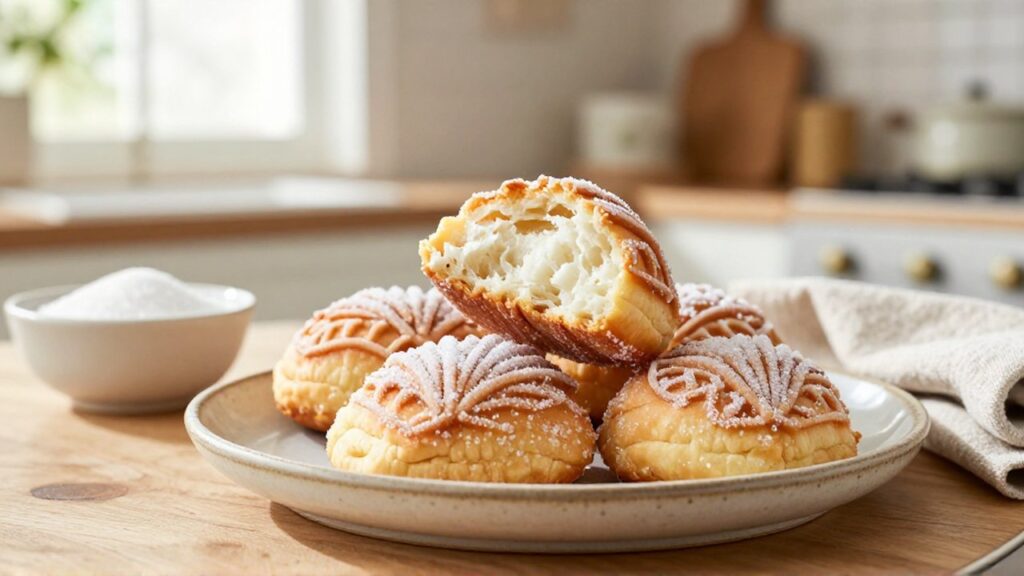
Conchas are the crown jewels of the Mexican panadería (bakery). These iconic sweet breads are easily recognized by the patterned sugar topping on their surface, which resembles a seashell—hence the name concha, meaning "shell" in Spanish. Unlike many European pastries that rely on heavy layers of laminated dough like croissants, conchas are a type of pan dulce (sweet bread) characterized by a soft, brioche-like texture that is airy, pillowy, and slightly enriched with butter and eggs.
For the home cook in the United States, mastering conchas is a rewarding way to bring the authentic aroma of a traditional Mexican breakfast to their own kitchen. While they might look intimidating due to the delicate nature of the dough and the required shaping, the process is entirely manageable with patience and the right technique. This guide will walk you through the complete process, from creating a high-hydration enriched dough to crafting the signature vanilla-scented sugar crust. Whether you are looking to pair them with a cup of hot chocolate or use them as a centerpiece for a weekend brunch, this recipe provides a reliable roadmap to achieving that professional bakery quality at home.
Understanding the Components of Conchas

To succeed with conchas, it is helpful to view the pastry as two distinct elements: the dough and the topping, known as cobertura. The dough is a yeast-leavened bread that requires careful handling. Because it contains fat from butter and eggs, it is a "rich dough," which means it takes longer to rise and requires a gentle touch during the kneading process. The goal is to develop enough gluten to hold the air bubbles that create the fluffiness, without overworking the dough to the point where it becomes tough.
The cobertura is what defines the concha visually and texturally. It is essentially a crumbly, sweet cookie crust that is applied to the dough before the final proofing. When the bread rises in the oven, the crust cracks slightly, creating the beautiful seashell pattern. While vanilla is the most classic flavor for this topping, you can experiment with different variations. The key is ensuring the crust has the right consistency: it should be soft enough to spread but firm enough to hold its shape without melting completely into the dough during baking.
Ingredients for the Dough and Topping
The following ingredients are standard in most US supermarkets. If you cannot find specific items, the suggested substitutions will ensure your recipe remains successful.
For the Dough:
- 3 ½ cups (440g) All-purpose flour (or bread flour for a slightly chewier structure)
- ½ cup (100g) Granulated white sugar
- 2 ¼ teaspoons (1 packet) Active dry yeast
- ½ teaspoon Salt
- 3 large Eggs, room temperature
- ½ cup (115g) Unsalted butter, softened to room temperature
- ½ cup (120ml) Whole milk, lukewarm (not hot)
- 1 teaspoon Vanilla extract
For the Vanilla Sugar Topping (Cobertura):
- 1 cup (120g) All-purpose flour
- ¾ cup (150g) Granulated white sugar
- ¼ cup (55g) Unsalted butter, very soft
- 1 teaspoon Vanilla extract
- Optional: 1 tablespoon Cocoa powder (if making chocolate shells)
A Note on Ingredients: If you are using bread flour instead of all-purpose, your dough will have a slightly more robust structure, which can help support the weight of the sugar topping. Always ensure your milk is lukewarm; if it is too hot, it can kill the yeast, and if it is too cold, the yeast will struggle to activate.
Step-by-Step Instructions
Making conchas requires a bit of time, particularly for the rising stages, so plan accordingly. Follow these steps to ensure a consistent result.
1. Activate the Yeast and Prepare the Dough
In a large mixing bowl or the bowl of a stand mixer, combine the lukewarm milk, 1 tablespoon of the sugar, and the active dry yeast. Let it sit for about 5 to 10 minutes until it becomes foamy. Once foamy, add the remaining sugar, the eggs, and the vanilla extract. Whisk until well combined.
2. Mixing and Kneading
Add the flour and salt to the wet ingredients. If using a stand mixer with a dough hook, mix on low speed until a shaggy dough forms. Gradually add the softened butter one tablespoon at a time, allowing the dough to incorporate the fat before adding more. Once the butter is in, increase the speed to medium and knead for 8 to 10 minutes. The dough should be smooth, elastic, and slightly tacky, but it should not stick aggressively to the sides of the bowl. If it is too wet, add flour one tablespoon at a time; if it is too dry, add a teaspoon of milk.
3. First Rise
Lightly grease a large bowl with butter or oil. Place the dough inside, cover with a clean kitchen towel or plastic wrap, and let it rise in a warm, draft-free spot. The dough should roughly double in size, which typically takes 1 to 2 hours depending on the temperature of your kitchen.
4. Prepare the Topping
While the dough rises, make the cobertura. In a medium bowl, cream together the soft butter, sugar, and vanilla extract until smooth. Sift in the flour and mix until a soft, dough-like paste forms. Divide this paste into portions. If you want chocolate shells, mix a portion with cocoa powder. Keep this mixture covered so it doesn't harden.
5. Shaping the Conchas
Once the dough has risen, gently punch it down to release the air. Turn it out onto a lightly floured surface. Divide the dough into equal portions (approximately 2 ounces or 55g each) and roll them into smooth balls. Place the balls on a baking sheet lined with parchment paper, spaced about 3 inches apart. Cover and let them rise for another 45 to 60 minutes until they look puffy.
6. Applying the Shell Pattern
While the dough performs its second rise, flatten small pieces of the sugar topping into thin discs (about 3 inches in diameter). Gently press a dough ball onto a disc of topping. For the traditional shell look, you can use a knife or a specialized shell stamp to lightly score the sugar paste in a radial pattern, though many home cooks simply let the natural expansion of the dough create the cracks.
7. Baking
Preheat your oven to 350°F (175°C). Bake the conchas for 15 to 18 minutes. The tops should be set and the bottoms should be a very light golden brown. Do not overbake, or the dough will lose its characteristic softness. Allow them to cool on a wire rack before serving.
Troubleshooting and Expert Tips
If your conchas come out dense, the most likely culprit is under-proofing. Ensure the dough has truly doubled in size during both the first and second rises. If your kitchen is cold, you can place the dough in a turned-off oven with a bowl of steaming water placed on the rack below to create a warm, humid environment.
If the sugar topping melts completely into the bread rather than cracking, your oven temperature might be too low, or the topping might have too much fat. Ensure your butter is soft but not greasy when making the topping, and always preheat your oven thoroughly. A common mistake is using melted butter in the topping; always use softened, room-temperature butter to maintain the structural integrity of the shell.
For the best flavor and texture, handle the dough as little as possible once the second rise has begun. Excessive handling can deflate the air bubbles you worked so hard to create. If you find the dough is very difficult to shape because it is too sticky, try chilling it in the refrigerator for 30 minutes before dividing it into portions; cold dough is much easier to manage.
Frequently Asked Questions
Can I make the dough in advance?
Yes. You can prepare the dough, place it in a bowl, cover it tightly, and refrigerate it overnight. This slow fermentation often improves the flavor. On the morning you wish to bake, let the dough come to room temperature and proceed with the recipe from the first rise.
How should I store leftover conchas?
Because conchas are enriched, they can dry out quickly. Store them in an airtight container at room temperature for up to two days. If they start to feel slightly stale, you can briefly warm them in a 300°F (150°C) oven for a few minutes to restore some of the softness. Do not refrigerate the bread if you can avoid it, as this can accelerate the staling process.
What can I use if I don't have a stand mixer?
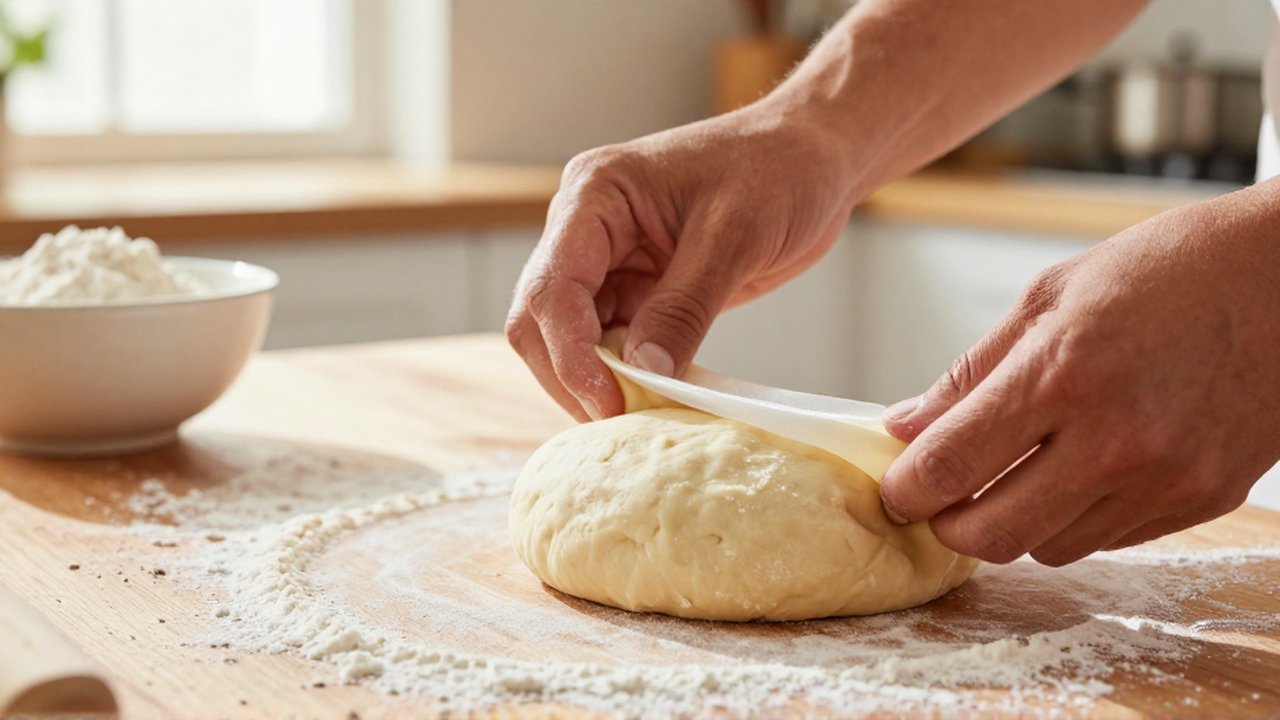
You can absolutely make these by hand. It will simply require more physical effort. Ensure you knead the dough on a clean surface for at least 12 to 15 minutes until you can perform the "windowpane test" (stretching a small piece of dough thin enough to see light through it without it tearing).
Leave a Reply
Related posts