
Traditional Cuban Arroz Blanco for Every Home Cook


Arroz blanco, or traditional Cuban white rice, is the foundational pillar of the Cuban table. While many cultures prepare white rice, the Cuban method is distinct because it emphasizes a specific texture: the grains should be fluffy, separate, and never mushy or sticky. In a Cuban household, arroz blanco is rarely eaten in isolation; it serves as the essential canvas for more vibrant flavors, such as frijoles negros (black beans), ropa vieja (shredded beef), or a simple piece of fried fish. For the American home cook, mastering this dish is the first step toward building a complete Latin American meal.
The beauty of arroz blanco lies in its simplicity, yet many home cooks struggle to achieve that elusive "perfect grain." A common pitfall is using too much water or failing to toast the rice properly, resulting in a porridge-like consistency. This guide will teach you the standard Cuban technique to ensure your rice is aromatic, light, and perfectly textured every time. We will focus on practical methods using ingredients found in any local US grocery store, ensuring that you can recreate this staple without a trip to a specialty market.
The Essential Ingredients and Preparation
To make authentic arroz blanco, you only need a handful of pantry staples. The quality of your rice and the precision of your liquid-to-rice ratio are the two most important factors in determining the final outcome. While many varieties of rice exist, the traditional choice for this method is long-grain white rice. In US supermarkets, you can find this easily under labels such as "Long Grain White Rice." While Jasmine or Basmati rice can be used and will certainly taste delicious, they have different starch profiles that may result in a slightly different texture than what is traditionally expected in a Cuban kitchen.
Beyond the rice itself, the flavor profile of Cuban white rice relies heavily on fat and aromatics. Most traditional recipes utilize oil or a bit of butter to coat the grains before adding liquid. Some families also incorporate garlic or onion into the base, but the most classic version relies on the subtle infusion of garlic and salt during the boiling process. Salt is not just a seasoning here; it is what brings out the natural sweetness of the grain.
For this recipe, you will need:
- 2 cups long-grain white rice
- 3 ½ cups water (adjust slightly based on your desired firmness)
- 2 tablespoons neutral oil (such as vegetable, canola, or grapeseed oil)
- 1 ½ teaspoons kosher salt (or to taste)
- 2 cloves garlic, peeled and smashed (optional, for aroma)
Before you begin cooking, it is highly recommended to rinse your rice. Place the dry rice in a fine-mesh strainer and run cold water over it, tossing the grains with your fingers until the water running through the strainer is clear rather than milky. This removes excess surface starch, which is the primary culprit behind sticky, clumped rice. Once rinsed, let the rice drain thoroughly in the strainer for a few minutes.
Step-by-Step Cooking Instructions
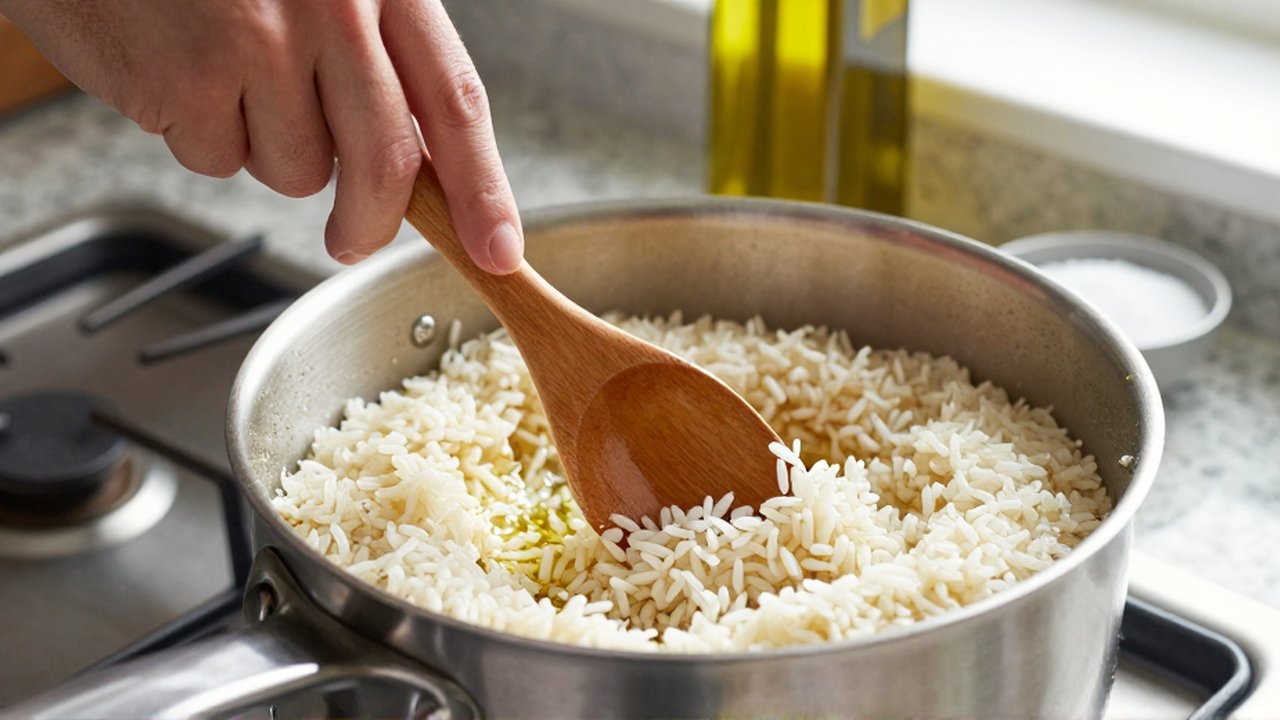
The technique used to cook Cuban rice is a variation of the absorption method, but with a crucial emphasis on the initial step: the sofrito or sautéing phase. By lightly frying the dry, rinsed rice in oil before adding the water, you coat each grain in a thin layer of fat. This creates a barrier that prevents the starches from sticking together, ensuring the grains stay separate and "dancing" on the plate.

- Heat the oil in a medium-sized heavy-bottomed pot or a non-stick saucepan over medium heat. If you are using the optional smashed garlic cloves, add them to the oil now and sauté for about 30 seconds until fragrant, but do not let them brown.
- Add the rinsed and drained rice to the pot. Stir the rice constantly for 2 to 3 minutes. You are looking for the grains to become slightly translucent at the edges or to take on a very subtle toasted hue. This step is vital for the texture.
- Pour in the 3 ½ cups of water and add the salt. Increase the heat to medium-high and bring the liquid to a rolling boil. If you added garlic cloves, they will perfume the water during this stage.
- Once the water is boiling vigorously, stir the rice once to ensure no grains are stuck to the bottom. Turn the heat down to the lowest possible setting and cover the pot with a tight-fitting lid. It is essential that the lid fits well to prevent steam from escaping, as the steam is what cooks the center of the grain.
- Simmer undisturbed for 15 to 18 minutes. Do not lift the lid to peek; every time you lift the lid, you release the steam necessary for the cooking process.
- After the time has elapsed, turn off the heat. If there is any visible water remaining at the bottom, let it sit covered for another 5 minutes.
- Remove the lid, discard the garlic cloves if used, and use a fork to gently fluff the rice. Never use a spoon to stir rice, as this can mash the grains and make them gummy.
Troubleshooting and Variations
Even with a precise recipe, cooking can sometimes yield unexpected results. If you find your rice is consistently too crunchy, you may need to increase your water by 2 tablespoons next time, or ensure your lid is truly airtight. Conversely, if the rice is too soft or mushy, you likely used too much water or did not rinse the starch away sufficiently during preparation. A heavy-bottomed pot is your best friend here, as it distributes heat evenly and prevents the bottom layer from scorching before the top is cooked.
There are many ways to adapt this dish to your preference or the ingredients on hand. For a more indulgent version, replace the neutral oil with unsalted butter. This adds a rich, creamy flavor that pairs beautifully with roasted meats. In some households, a bouillon cube or a splash of chicken broth is used in place of plain water to add a deeper savory note to the rice. While these are variations, the fundamental technique of sautéing the rice in fat remains the key to success.
Another common variation is Arroz con Maíz (Rice with Corn). Once your rice is finished cooking and fluffed, you can gently fold in a half-cup of canned or frozen sweet corn kernels. This adds a pop of color and a hint of sweetness that is particularly popular in children's meals or as a bright side dish for summer barbecues.
Frequently Asked Questions
Can I use a rice cooker for this recipe?
Yes, you can use a rice cooker, but to achieve the Cuban texture, you should still follow the sautéing step. If your rice cooker has a "sauté" function, use it to toast the rice in oil first. If it does not, you can sauté the rice in a pan on the stove, then transfer it to the rice cooker with the water and salt. This will still provide a much better result than simply dumping raw rice and water into the machine.
How should I store and reheat leftover rice?
Leftover rice should be cooled quickly and stored in an airtight container in the refrigerator. It will stay fresh for up to 3 to 4 days. When reheating, avoid the microwave if possible, as it can make the rice dry and hard. Instead, reheat it in a small saucepan with a tablespoon of water or butter, covering it with a lid to allow the steam to rehydrate the grains.
Why is my rice sticking to the bottom of the pot?
This usually happens for one of two reasons: either the heat was too high during the simmering stage, or there wasn't enough fat used to coat the grains initially. Ensure the heat is at its lowest setting once the lid goes on, and never skip the step of stirring the dry rice in oil before adding the water.
Leave a Reply
Related posts